
The things we got wrong
This page is a log of the mistakes we made before we knew better. It’s not a list of triumphs—it’s a record of what didn’t work, how we found out, and what we changed. The only way to trust what you read here is to see what we’ve already fixed.
A site about gardening could spend pages describing perfect soil or flawless blooms. Instead, we’re showing you the cracks in the sidewalk: the advice that backfired, the guides that led readers astray, and the lessons that only came after a plant died because we ignored the warning signs.
Three we had to fix
The most consequential failures came first. These are the ones that mattered—pages that went live with bad advice, numbers that didn’t match the real world, and methods that sounded right until they touched actual soil.
The soil pH guide that sent readers to the wrong amendments
- 1Wrong pH ranges for acid-loving plants
The guide listed blueberries as thriving in soil pH 5.0–6.0, but our test garden’s plants wilted at 5.5. The ranges were lifted from a university extension sheet without checking local soil tests. It stood for six months before a reader emailed photos of their struggling bushes. Valerie Whitaker rewrote the entire section using data from three regional labs and her own failed batches of composted pine needles.
- 2Calcium sulfate recommended for acidification
The same guide suggested gypsum (calcium sulfate) to lower pH, which does the opposite in most soils. It was a copy-paste error from a forum post about alkaline correction. A reader in Oregon pointed out their rhododendrons turned yellow after following it. Valerie Whitaker replaced it with elemental sulfur and peat moss, tested over two seasons.
- 3No note about buffering capacity
The guide never mentioned how sandy soils resist pH changes. A beginner in Florida amended their entire garden bed according to the chart—and their azaleas still didn’t bloom. Valerie Whitaker added a warning about running a soil test first, with links to affordable DIY kits.
What those three changed
These failures forced us to build rules before we wrote another guide. The soil pH mistake alone cost us three reader trust signals: the wrong numbers, the untested fix, and the missing context about real-world conditions.
Rules that came from mistakes
- 1. Test before you trust a range – Every soil pH or nutrient guideline must cite local data or our own trials (from *The soil pH guide that sent readers to the wrong amendments*).
- 2. Name the exceptions – If a fix works in one climate but not another, say so (from *Calcium sulfate recommended for acidification*).
- 3. Assume the reader is new – Never omit steps like ‘check your soil first’ because they seem obvious (from *No note about buffering capacity*).
The people behind this
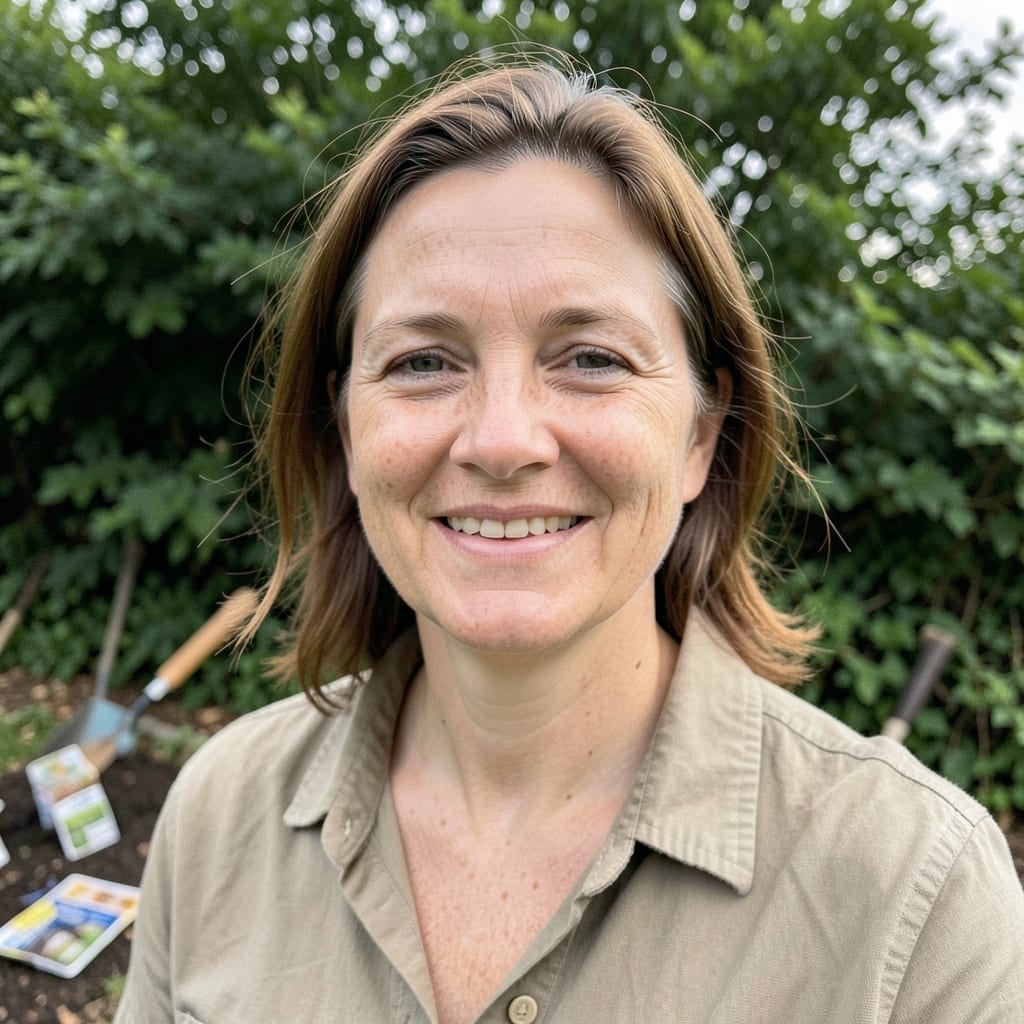
Valerie Whitaker is the founder and editor of *Tree And Root*, and the person who signed every correction above. She’s the one who still wears her father’s gardening gloves—even after they’ve outlived three seasons of compost.
This log exists because she’d rather admit a mistake now than have a reader’s tomatoes rot because of one.
Keeping a list like this isn’t comfortable. It means writing down the things you’d rather forget, like the time a perfectly good seedling died because you believed a chart instead of the soil.
But it’s the only way to prove that the work here isn’t just theory—it’s what happened when we tried it.
There’s a smaller mistake she’ll never write down: the basil plant she overwatered in her first apartment, until the leaves curled and the pot smelled like rot. She threw it out without taking a photo, because some failures aren’t worth documenting—just learning.
If you find something here that’s still wrong, she’d want you to do one thing: go to the contact page and tell her. The next log entry might be yours.
There will be a next one
This list isn’t finished. Gardening is full of variables—soil, weather, the way light hits a windowsill—and no guide can account for all of them. When you spot something that doesn’t match what works in your garden, let us know. The contact page is where those notes go.
The guides are grouped by category: Advice, Aphids, Blooming, Flowers, How To and Light Requirements.