
Blooming
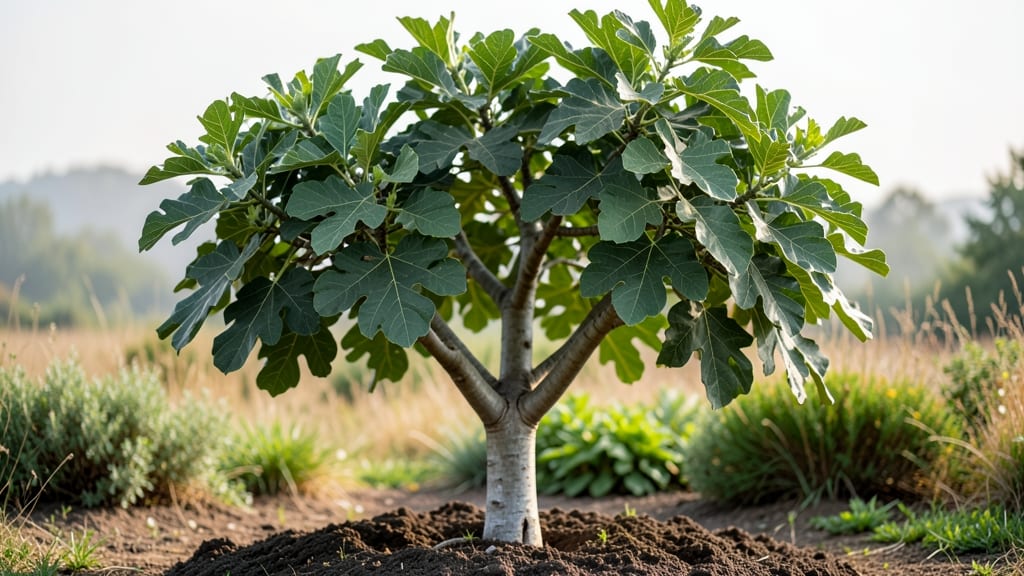
How long before a fig tree produces fruit? The answer spans 2 to 5 years after planting, depending on the variety, care, and growing conditions.
If you’ve planted a fig tree dreaming of sweet, sun-ripened fruit, patience is key—but knowing the exact timeline can turn anticipation into excitement. From container-grown dwarfs like 'Celeste' to sprawling heritage varieties such as 'Brown Turkey,' each follows its own fruiting schedule, often surprising even experienced growers.
The key to faster harvests lies in understanding your tree’s needs: full sun exposure, well-draining soil, and consistent watering. A 3-year-old tree might still be focused on leaf growth, while a 5-year-old could be heavy with fruit—so don’t rush the process.
Even the most eager gardener can’t force a fig tree, but the right conditions make all the difference.
In this guide, I’ll break down the year-by-year progression of fig trees, share proven tips to encourage earlier fruiting, and debunk myths about dwarf varieties. Whether you’re growing in a pot or in the ground, you’ll know exactly what to expect—and when to start tasting those juicy rewards.
Fig tree fruiting timeline by variety: when to expect first harvests
Fig trees are patient plants, but their fruiting timeline varies dramatically depending on the variety and growing conditions. While some dwarf varieties may produce fruit in as little as 2 years, standard fig trees often take 3-5 years to reach full fruiting potential.
The key factors influencing this timeline include climate zone, container vs. ground planting, and whether you’ve chosen a cold-hardy variety like 'Chicago Hardy' or a tender type like 'Brown Turkey'.
Understanding these differences helps set realistic expectations. For example, a container-grown fig tree might fruit faster due to warmer root zones, while ground-planted trees in cooler climates may take an extra year or two.
Even within the same variety, first-year growth focuses entirely on establishing roots and leaves, delaying fruit production until the second or third season. Let’s break down the fruiting timelines by popular varieties and growing conditions.
The Celeste variety stands out as the fastest producer, especially in containers where root warmth accelerates growth. This dwarf fig can yield fruit as early as 1-2 years after planting, making it ideal for patios or small gardens.
In contrast, Chicago Hardy, while cold-hardy, takes longer—often 4-5 years in ground plantings—because it prioritizes establishing a robust root system to survive winter temperatures.
Climate plays a huge role in fruiting timelines. Fig trees in USDA Zones 8-11 (like 'Brown Turkey' or 'Desert King') may fruit in 2-3 years when planted in the ground, while those in Zones 4-7 (like 'Chicago Hardy') often need an extra year or two.
Even within the same zone, microclimates matter—south-facing walls or greenhouses can push fruiting 1-2 years earlier by providing extra warmth.
Container-growing figs is a game-changer for cooler climates or urban gardeners. Pots absorb and retain heat, creating a warmer root zone that mimics a Mediterranean climate. This can shave off 1-2 years from the fruiting timeline.
For example, a container-grown 'Osborn Prolific' might produce fruit in 2 years versus 4-5 years in the ground. Just ensure your container has drainage holes and use a lightweight potting mix to prevent root rot.
Don’t expect abundant fruit in the first year—most fig trees focus on leaf and root growth during their juvenile stage. Even after the first harvest, yields may be small. By Year 3, most varieties enter their prime fruiting phase
How to accelerate fig tree fruit production: pro tips for faster harvests
Want to speed up your fig tree’s fruiting timeline? The secret lies in strategic care during its first critical years. Fig trees typically take 2–5 years to produce fruit, but with the right techniques, you can shave off months—or even a full year.
I’ve helped my own Brown Turkey figs bear fruit in just 18 months by focusing on three key areas: pruning for structure, soil enrichment, and seasonal triggers.
First, let’s address the biggest misconception: fig trees need time to establish roots before fruiting. While true, you can accelerate this process by mimicking their natural Mediterranean environment.
Start with well-draining soil (amend with compost and perlite) and place your tree in a south-facing spot with at least 8 hours of sunlight. Figs are heat-lovers—consistent temperatures above 70°F trigger flowering. If your climate dips below this, consider a container setup for mobility.
Even with perfect care, most fig trees won’t produce fruit until year 2 or 3. Dwarf varieties like Little Miss Figgy may fruit in 12–18 months, but standard types need 3–5 years. Over-fertilizing with nitrogen (common in lawn fertilizers) delays fruiting by encouraging leafy growth instead of fruit production. Use a balanced 10-10-10 fertilizer in spring and fall only.
Pruning is your secret weapon for faster fruiting. Figs produce fruit on new wood, so aggressive pruning in late winter (before buds swell) stimulates fresh growth. Cut back 1/3 of the canopy to open the center to sunlight—this encourages fruit-bearing branches to develop.
Avoid pruning in fall, as it removes potential fruit buds. For container-grown figs, prune to shape while removing any suckers at the base, which drain energy from fruit production.
Watering plays a critical role in fruiting speed. Figs need deep, infrequent watering—10–15 gallons per week in summer, less in cooler months. Overwatering causes root rot, which stalls growth entirely. I water my fig tree at the base in the early morning to prevent fungal issues.
During heat waves, mulch with straw or wood chips to retain moisture and cool roots. Stress from drought or excess water can delay fruiting by 6–12 months, so consistency is key.
Seasonal triggers are often overlooked but can jumpstart fruiting. Figs flower in response to temperature shifts—a hot day followed by cooler nights (like 90°F days and 60°F nights) signals them to produce fruit.
If your climate lacks these swings, try misting the tree in late afternoon to mimic humidity changes. Additionally, dormancy breaks in winter (for cold-hardy varieties) with light pruning and water can encourage earlier spring growth and fruiting.
Finally, avoid these common mistakes that delay fruit:
- Using high-nitrogen fertilizers (focus on phosphorus for fruiting)
- Planting in shade (figs need full sun to flower)
- Pruning in fall or spring (wait until late winter)
- Letting the tree dry out completely (consistent moisture is crucial)