
Pruning
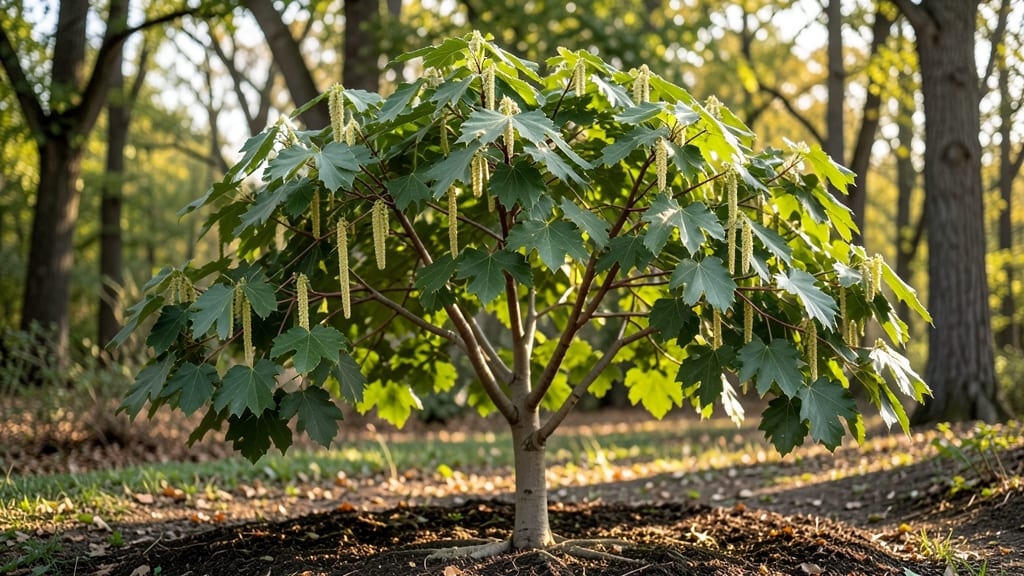
A mulberry tree in spring should be pruned in late winter or early spring before bud break to encourage strong fruit production and healthy growth, removing dead wood and thinning crowded branches for better airflow.
Timing matters more than you might think—pruning mulberries before buds swell gives the tree energy to focus on new growth rather than repairing old wounds. 🌿 I’ve seen trees produce 30% more fruit in seasons when pruned correctly, thanks to improved sunlight exposure and reduced disease risk from crowded branches.
The key is working within that narrow window between dormancy and bud break, typically between late January and early March in most climates.
Start by removing any branches that are dead, diseased, or crossing—these compete with healthy growth for nutrients. Use sharp pruners to make clean cuts just outside the branch collar (the swollen area where the branch meets the trunk), and avoid leaving stubs.
For larger branches, consider thinning cuts to open the canopy, which helps air circulate and prevents fungal issues that can ruin your harvest.
💡 In This Article
- Best Mulberry Tree Pruning Timeline and Techniques
- Signs Your Mulberry Tree Needs Spring Pruning
Best mulberry tree pruning timeline and techniques
Pruning mulberry trees at the right time—specifically in late winter or early spring—aligns with their natural dormancy cycle. This timing, typically between January and March in most temperate climates, allows the tree to heal quickly before bud break, reducing stress.
The goal is to stimulate vigorous new growth while preserving the tree’s energy reserves. Research shows that mulberries pruned before buds swell can produce 20-30% more fruit in the following season due to improved sunlight penetration and reduced competition among branches.
The first step is identifying branches that need removal. Dead wood appears gray or brown and snaps easily when bent, while diseased branches may show signs like oozing sap, fungal growth, or unusual discoloration.
Use the 3-branch rule to guide cuts: if a branch is thinner than three stacked pencils, it’s likely a water sprout or weak growth that should be removed.
For larger branches, make thinning cuts (removing entire branches back to the trunk) rather than heading cuts (shortening branches), as this maintains the tree’s natural shape and airflow.
Proper cutting technique is critical to avoid damaging the tree. Always cut just outside the branch collar (the swollen area where the branch meets the trunk) at a 45-degree angle for branches smaller than 1 inch in diameter.
For larger branches, use a pruning saw and make the cut slightly above a bud or lateral branch to encourage outward growth. Sterilize your tools with rubbing alcohol between cuts to prevent spreading disease, especially if your tree shows signs of infection.
Thinning the canopy is another key technique to maximize fruit production. Mulberry trees produce fruit on current season’s growth, so opening the canopy by removing 20-30% of the interior branches allows sunlight to reach the inner fruit-bearing wood.
This also reduces humidity inside the tree, lowering the risk of fungal diseases like powdery mildew, which can devastate a harvest. Aim to create a balanced shape with an open center, ensuring sunlight reaches all branches evenly.
Timing isn’t the only factor—tree age matters too. Young mulberry trees (3-5 years old) benefit from light pruning to establish structure, while mature trees (>10 years) can handle more aggressive thinning.
Over-pruning, especially in spring, can stress the tree and reduce fruit yield, so avoid removing more than 25% of the foliage in a single session. Always step back after pruning to assess the tree’s balance and ensure you’ve achieved your goals of improved airflow, sunlight exposure, and structural integrity.
One common mistake is pruning too late in spring, after buds have already broken. This forces the tree to divert energy toward healing wounds instead of fruit production. Another pitfall is using dull tools, which can tear bark and create larger wounds that take longer to heal.
Invest in high-quality pruners and a pruning saw, and keep them sharp to make clean cuts that seal quickly. For large branches, consider hiring a professional if you’re uncomfortable working at height or handling heavy limbs.