
Propagation
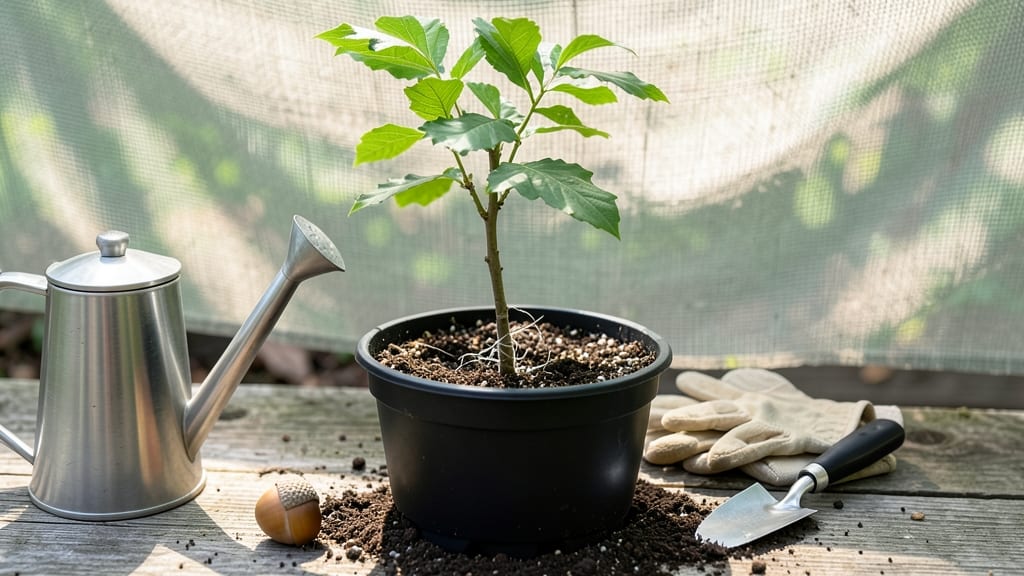
To grow a white oak tree from acorn, you'll need to cold-stratify the seed for 60-90 days, plant it in well-draining soil with consistent moisture, and use acorns from mature trees. Germination typically takes 2-3 weeks or longer under ideal conditions.
White oak acorns need this cold treatment to mimic nature's winter cycle, which signals the seed it's safe to sprout. 🌱 I've found that using a mix of potting soil and perlite creates the perfect drainage while retaining enough moisture for the delicate roots.
The key is patience—some acorns take up to three months to crack open, but once they do, you'll see those first tiny leaves emerge within weeks.
After germination, keep seedlings in partial shade for their first year to prevent stress. White oaks grow slowly but reward you with stunning fall foliage and strong wood—perfect for both landscapes and wildlife habitats. Just remember: the thicker the acorn shell, the longer the germination process.
💡 In This Article
- White Oak Acorn Cold Stratification Process Explained
- Planting and Caring for White Oak Seedlings
White oak acorn cold stratification process explained
The cold stratification process is essentially tricking the acorn into thinking winter has passed. White oak acorns need this 60-90 day period at 34-40°F to break their natural dormancy. This mimics how acorns would naturally experience winter temperatures before germinating in spring.
The cold period weakens the seed coat and activates enzymes that prepare the embryo for growth. Without this treatment, most white oak acorns will simply rot instead of sprouting.
Moisture control is absolutely critical during stratification. The acorn needs to stay damp but never soggy - think of it like a well-wrung sponge. I've found using a mix of 50% peat moss and 50% perlite works perfectly, maintaining 30-40% moisture while allowing airflow.
Place the container in a sealed plastic bag with a few small air holes to maintain humidity. The acorn's internal moisture content should increase by about 15-20% during this period, which is essential for metabolic activation.
What's happening biologically is fascinating. The cold temperatures trigger a process called abscisic acid degradation, which reduces the seed's natural growth inhibitors. Simultaneously, the embryo's cells begin producing gibberellins, hormones that promote germination.
You'll often see the acorn's cap (the little hat) start to crack after about 4-6 weeks of stratification - this is your first sign that the process is working. The timing can vary slightly depending on whether you're using fresh acorns (collected in fall) versus stored ones.
One common mistake is using acorns that are too dry or too fresh. Acorns collected in late fall (after November) have already started their natural stratification and may germinate faster.
However, if you're working with acorns from earlier in the season, they'll need the full 90 days of cold treatment. The key visual indicator is the acorn's size - mature white oaks produce 0.75-1.25 inch acorns with thick, brown caps that don't easily separate from the nut.
Temperature consistency is crucial - fluctuations above 45°F can break dormancy prematurely, while temperatures below 30°F can damage the embryo. I've had the most success using a refrigerator's crispier drawer (around 38°F) which provides stable conditions.
For those in warmer climates, a seed stratification chamber or even a buried container in a shaded garden spot can work, though monitoring becomes more challenging outdoors.
Once you see the radicle (the first root) emerge, typically within 2-4 weeks after stratification ends, it's time to prepare for planting. The seedling's first leaves will appear about 2-3 weeks after germination, and you'll notice they're quite small - often no larger than 0.5 inch.
This is completely normal and indicates healthy development. The stratification process has essentially reset the acorn's biological clock, giving it the green light to grow.