
Pruning
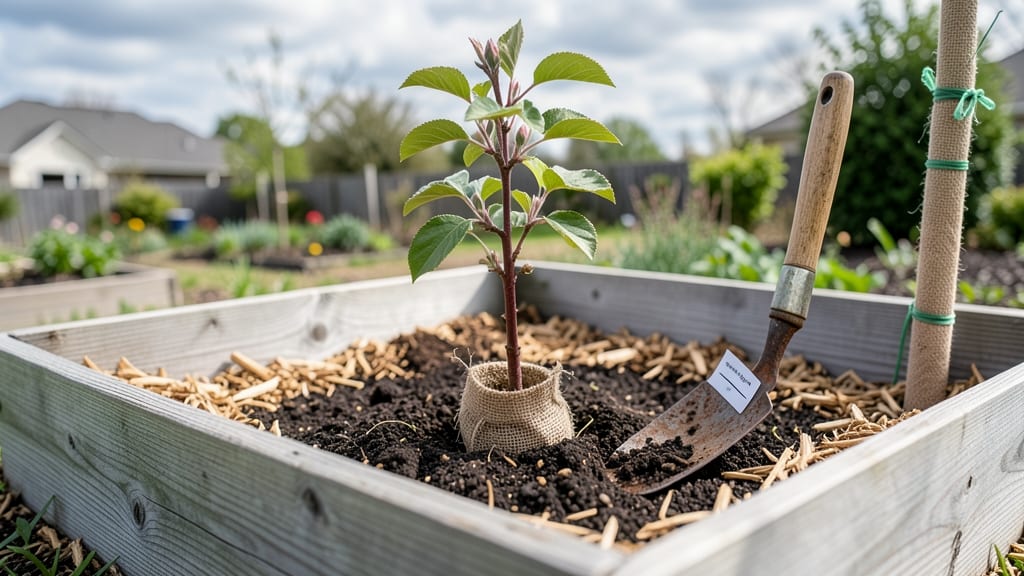
Planting trees in raised beds lets you grow full-sized varieties in tiny yards—fast-growing fruit trees like columnar apples or dwarf peaches thrive where nothing else will. 🌳 I’ve turned my 4-by-8-foot bed into a mini orchard by choosing the right species and giving roots the space they need to stretch downward instead of outward.
The trick is matching tree size to bed depth: 3-foot-deep beds work for dwarf varieties, while standard raised beds (12–18 inches) need compact rootstock. Skip the heavy clay soil—amend with compost and coarse sand for drainage that prevents root rot.
My Liberty apple now produces bushels in just three years, proving small spaces can grow big rewards. You’ll end up with shade, fruit, and curb appeal without sacrificing your lawn. Just avoid overcrowding—6-foot spacing between trees gives roots room to breathe.
Prune young branches to encourage upward growth, and mulch heavily to retain moisture. Works for urban balconies (with containers) or suburban backyards. Here’s how to pick the perfect tree for your bed’s dimensions—without sacrificing growth speed.
📚 In This Guide
- What you need
- Instructions
- Tips and common mistakes
- Wrapping up and next steps
What you need
- ● Raised bed frame: Pre-built or DIY (wood, metal, or composite). Size: At least 2’ x 2’ x 1’ deep (adjust for tree size).
- ● Quality soil: 50% native soil + 50% compost or raised bed mix (sterile, well-draining). Quantity: Enough to fill the bed (e.g., ~2 cubic feet per 2’ x 2’ bed).
- ● Fast-growing tree saplings: Dwarf or semi-dwarf varieties (e.g., columnar apple, patio pear, or Japanese maple). Quantity: 1–3 per bed (spaced 18–24” apart).
- ● Organic mulch: Wood chips or straw (2–3 inches). Why? Retains moisture and suppresses weeds.
- ● Tools: Garden trowel or spade
- ● Pruning shears (sterilized)
- ● Measuring tape
- ○ Gloves (optional but recommended!)
- ● Drip irrigation kit: Automates watering for young trees.
- ● Tree stakes & ties: Supports tall saplings in windy areas.
- ● Slow-release fertilizer: Boosts growth (e.g., 10-10-10 or organic options).
- ● Pest deterrents: Copper tape (for borers) or neem oil spray.
- ● Decorative stones or edging: Adds polish to your raised bed.
Step-by-step guide to planting fast-growing trees in raised beds
Here’s how to turn your raised bed into a thriving small-space orchard with trees that grow quickly and beautifully.
🌱 Step 1: Choose the Right Fast-Growing Tree Varieties
For raised beds, focus on dwarf or columnar varieties that won’t outgrow the space. My top picks are columnar apple trees (like ‘Greenstem’ or ‘Wijcik’), dwarf peach trees (such as ‘Bonanza’), or ornamental cherries (like ‘Stella Compact’). These stay under 8 feet tall and thrive in containers or raised beds.
Check the mature size on the tag—some labeled “dwarf” still need 6-8 feet of space. If your bed is only 4 feet wide, opt for columnar types that grow just 3-4 feet wide. Avoid standard-size trees; they’ll quickly outgrow any raised bed.
🪴 Step 2: Prepare the Raised Bed for Tree Planting
Fill your raised bed with equal parts high-quality potting mix and compost—this ensures fast drainage while retaining moisture. Avoid garden soil; it compacts and suffocates roots. Mix in a slow-release fertilizer (like 10-10-10) at planting time to give young trees a nutrient boost.
Dig a hole twice as wide as the tree’s root ball but only as deep as the root ball itself. Loosen the sides of the hole with your hands or a trowel—this prevents root circling. If your bed is shallow (under 12 inches deep), plant trees in large containers buried in the bed for stability.
☀️ Step 3: Plant Trees at the Correct Depth and Stake if Needed
Remove the tree from its container and gently loosen the roots if they’re circling. Place it in the hole so the top of the root ball sits just below the bed’s surface—burying too deep suffocates the trunk, while planting too high exposes roots. Fill the hole with soil, pressing lightly to remove air pockets.
Stake only if your tree is taller than 4 feet or in a windy spot. Use a soft tie (like a strip of old T-shirt) to secure the trunk to the stake—never tie directly to the bark. Water deeply after planting to settle the soil and encourage root contact.
💧 Step 4: Water and Mulch for Fast Establishment
Water deeply every 2-3 days for the first 4 weeks, keeping the soil 2-3 inches moist at all times. Young trees in raised beds dry out faster than in-ground plants. Use a drip irrigation line or watering can to avoid disturbing the soil around the roots.
Apply 2-3 inches of mulch (like shredded bark) around the base, keeping it 6 inches away from the trunk. Mulch retains moisture and suppresses weeds, but too much can smother the tree. Replenish mulch as it breaks down—this keeps roots cool and hydrated during hot spells.
⏰ Step 5: Monitor Growth and Prune for Shape
Fast-growing trees need regular pruning to maintain size and shape. In early spring, remove any dead, crossing, or inward-growing branches. For columnar trees, trim just above a leaf bud to encourage bushier growth. Avoid heavy pruning in late summer—it stimulates tender new growth that won’t harden off before winter.
Fertilize once in early spring with a balanced organic fertilizer (like fish emulsion). Over-fertilizing leads to weak, leggy growth. Watch for signs of stress—yellow leaves mean overwatering or poor drainage, while brown edges signal underwatering. Adjust care based on what you see.
Tips & tricks for perfect raised bed tree planting
Here's what nobody tells you about making your small-space orchard thrive without the headaches.
Root Ball Prep: Before planting, soak the root ball in water for 10-15 minutes to ensure it's fully hydrated. This helps prevent transplant shock, especially important for trees in raised beds where water retention is critical. Gently squeeze the root ball after soaking—it should feel damp but not dripping wet. This step makes all the difference for young trees establishing in their new home.
Container Stability: If your raised bed is shallow (under 12 inches deep), use large containers buried in the bed for stability. Choose containers with drainage holes and fill the bottom third with gravel for proper drainage. This prevents root rot while giving your tree the support it needs to grow upright. I've seen trees topple when planted directly in shallow beds without proper anchoring.
Watering Wisdom: During those first 4 weeks, check soil moisture every morning—stick your finger 2-3 inches deep into the soil. If it feels dry, water immediately. Raised beds dry out faster than ground planting, so don't wait until the soil looks dry at the surface. A drip irrigation system on a timer makes this maintenance effortless and ensures consistent moisture.
Pruning Insight: When pruning in early spring, look for branches that cross or grow inward—they'll compete for sunlight and nutrients. Cut these back to just above a leaf bud, but never remove more than 25% of the tree's foliage in one session. This keeps your tree healthy while maintaining its compact shape. I always prune on a dry day to prevent spreading diseases through fresh cuts.
Pro Tips for Raised Bed Tree Planting
- Here's what nobody tells you about making your small-space orchard thrive without the headaches.
- Root Ball Prep: Before planting, soak the root ball in water for 10-15 minutes to ensure it's fully hydrated. This he...
- Container Stability: If your raised bed is shallow (under 12 inches deep), use large containers buried in the bed for...
Frequently asked questions
Got questions about planting trees in raised beds? You’re not alone—this method has its quirks! Here are answers to the most common concerns to help you grow confidently, even in small spaces.
Can I plant any tree in a raised bed?
Not all trees thrive in raised beds! Stick to dwarf or fast-growing varieties like columnar apple trees, peach trees, or Japanese maples. Avoid large species like oak or pine—they need deep roots and space. Always check the tree’s mature size and root spread before planting.
When is the best time to plant a tree in a raised bed?
Spring and early fall are ideal—when soil is workable but not frozen. Avoid extreme heat or drought. For container-grown trees, you can plant year-round, but water deeply afterward to reduce transplant shock. Cooler temps help roots establish faster!
How often should I water a tree in a raised bed?
Raised beds dry out faster than ground soil. Water deeply 2–3 times per week for the first year, then taper to weekly deep waterings once established. Use a drip irrigation system or soaker hose to keep moisture consistent at the root zone.
What if my tree isn’t growing well in the raised bed?
Check these first:
- Soil mix: Amend with compost or organic matter if drainage is poor.
- Sunlight: Most trees need 6+ hours of sun daily.
- Root bound: If roots circle the pot, gently tease them before planting.
- Pests/disease: Inspect leaves for signs and treat early.
Can I grow fruit trees in a raised bed?
Raised beds are perfect for fruit trees like dwarf citrus, figs, or cherry trees. Just ensure:
- Full sun exposure.
- Well-draining soil (mix in perlite or sand if needed).
- Regular pruning to maintain shape and airflow.
Wrapping up and next steps
Planting trees in raised beds is a game-changer for small spaces—it’s easy, efficient, and packed with rewards! 🌱 From fast-growing varieties like willows or fruit trees to space-saving designs, you’ve got everything you need to turn even a tiny yard into a thriving green haven.
The key? Start small, plan smart, and watch your garden grow! Ready to take the next step? Sketch your design, gather your supplies, and dig in—your future shade, fruit, or beauty is just a few seeds away! 🌳✨