
Pruning
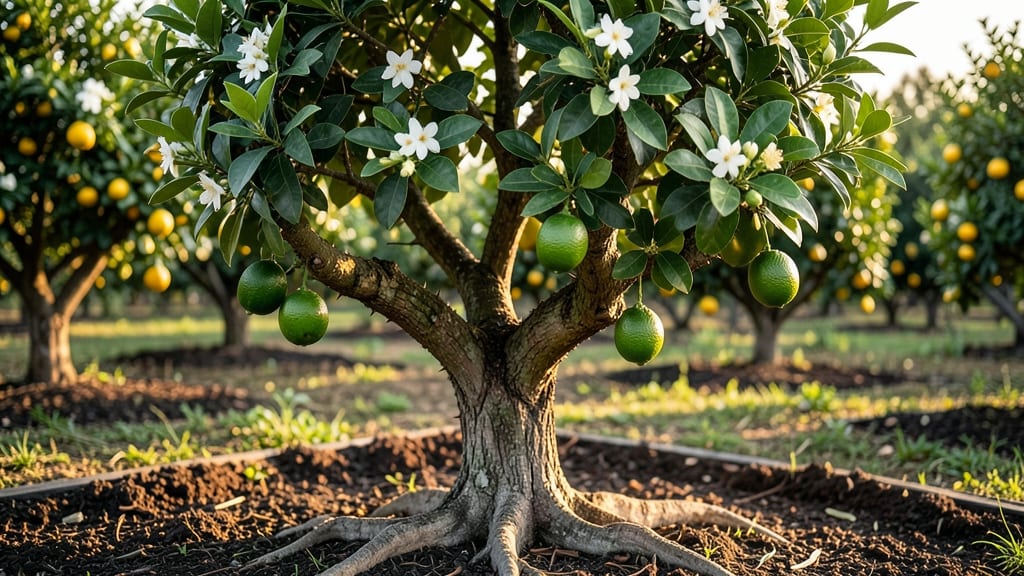
A lime tree with thorns rewards patience with juicy, fragrant fruit—but only if you prune them right. 🌿 I’ve wrestled with these spiky beauties for years, and I’ll show you how to shape them into productive, manageable trees while keeping the thorns in check.
The key is strategic pruning—cutting in late winter or early spring to encourage new growth and fruit production. You’ll remove aggressive thorns, open the canopy for sunlight, and train the tree to grow upward rather than sprawling.
It’s not just about fruit; it’s about making your lime tree a safe, manageable part of your garden. By summer, you’ll harvest bright green limes that stay on the tree well past their ripeness, and the tree itself will look neater and less intimidating.
The thorns won’t disappear, but they’ll be easier to navigate—and your harvest will thank you. This works for Mexican lime (Key lime) and Persian lime varieties, whether you’re growing in pots or in the ground. Let’s get pruning!
📚 In This Guide
- What you need
- Instructions
- Tips and common mistakes
- Wrapping up and next steps
What you need
- ● Pruning shears: Sharp, bypass-style shears (for cuts under ½ inch thick). Quantity: 1 pair.
- ● Loppers: Heavy-duty, bypass or anvil-style (for cuts ½–2 inches thick). Quantity: 1 pair.
- ● Pruning saw: Curved-tooth saw for thick branches (2+ inches). Quantity: 1.
- ● Gloves: Thick, cut-resistant (e.g., leather or heavy-duty gardening gloves) to protect against thorns. Quantity: 1 pair.
- ● Safety glasses: To shield eyes from debris. Quantity: 1 pair.
- ● Disinfectant (70% isopropyl alcohol or bleach solution): For sterilizing tools between cuts. Quantity: Small spray bottle or wipe.
- ○ Twine or zip ties: To secure branches during pruning (optional but helpful for large limbs). Quantity: 1 roll.
- ● Ladder: Sturdy, extension ladder (if tree is over 6–8 feet tall). Height: Reach at least 10+ feet.
- ● Tree wound dressing: Pruning sealant (controversial—skip if unsure). Quantity: Small tube.
- ● Notebook & pen: To track cuts, dates, and growth notes.
- ● Long-sleeve shirt & pants: For extra protection against thorns.
Pruning a lime tree with thorns for abundant fruit and healthy growth
Here’s how to shape your thorny lime tree for maximum fruit production while keeping it manageable—and safe to work around.
✂️ Step 1: Time Your Pruning for Optimal Fruit and Growth
Lime trees thrive when pruned at the right time. I always prune mine in late winter or early spring, just as new growth begins but before buds break. This timing ensures you remove dead or weak wood while encouraging vigorous spring growth. Avoid pruning in fall—it stimulates tender new shoots that won’t survive winter frosts, especially in colder climates.
If you notice overgrown branches during the growing season, you can do light maintenance pruning, but keep it minimal. Heavy pruning stresses the tree and reduces fruit set. Watch for new leaf flushes—that’s your cue that the tree is ready for shaping.
✂️ Step 2: Remove Dead, Diseased, or Crossing Branches First
Start by eliminating any branches that are dead, diseased, or rubbing against others. Diseased wood often appears dark, shriveled, or covered in spots, while dead branches snap easily when bent. Thorny branches that cross or rub create wounds where pests and diseases can enter. Use clean, sharp pruners to make cuts just outside the branch collar—the swollen area where the branch meets the trunk.
I always sanitize my tools with rubbing alcohol between cuts to prevent spreading any potential infections. If a branch is thicker than ½ inch, use a pruning saw for clean cuts. The goal here is to improve airflow and reduce stress on the tree.
✂️ Step 3: Thin Out Overcrowded Branches for Better Fruit Production
Lime trees produce more fruit when they have good airflow and sunlight penetration. Look for branches growing inward or too closely together—these compete for resources and often yield smaller, lower-quality fruit. Remove about 20-30% of the tree’s canopy by selectively thinning these branches, starting from the inside and working outward.
Focus on removing branches that are thinner than a pencil—they won’t contribute much to fruit production. You’ll know you’re doing it right when you can see light filtering through the canopy. This also makes future pruning easier and safer, especially with those sharp thorns!
✂️ Step 4: Shape the Tree for Balance and Accessibility
Now it’s time to shape the tree for both aesthetics and practicality. I aim for a rounded, open-center shape, which allows sunlight to reach all parts of the canopy and makes harvesting easier. Start by identifying the main scaffold branches—these are the largest, sturdy branches that form the tree’s structure. Prune any branches that grow at sharp angles (less than 30 degrees) to the trunk, as they’re more likely to break.
Step back frequently to assess the tree’s balance. You want a symmetrical shape that doesn’t have too much weight on one side. Avoid cutting back the leader branch (the central upright stem) unless it’s damaged—this keeps the tree growing upward naturally. If you’re unsure, take a photo before you start so you can reference your progress.
🌿 Step 5: Finish with Light Maintenance Pruning for Year-Round Care
After the main pruning, do a final walkthrough to tidy up any small branches or suckers (shoots growing from the base or trunk). Suckers drain energy from the tree, so remove them completely at the base. For any remaining small branches, use your pruners to make clean cuts just above a leaf node or outward-facing bud—this encourages growth in the right direction.
Apply a balanced fertilizer (like 10-10-10) after pruning to help the tree recover and support new growth. Water deeply to reduce stress, and keep an eye out for new shoots in the following weeks. These will be your tree’s way of telling you it’s thriving!
Tips & tricks for pruning a lime tree with thorns
Working with a thorny lime tree can be intimidating, but these practical tips will help you prune with confidence while maximizing fruit production.
Timing is Everything: The late winter to early spring window is critical for pruning because that’s when your tree is just waking up from dormancy. This timing allows you to remove winter-damaged branches while encouraging new growth before summer’s heat. If you’re in a mild climate, wait until you see those first fresh leaf flushes—it’s your tree’s way of saying, "I’m ready!"
Safety First with Thorns: Always wear thick gloves and long sleeves when working with lime tree thorns. I’ve learned this the hard way—those thorns pack a punch! Consider using pruning shears with long handles to keep your hands further away from the sharp branches. And remember, if you’re using a ladder, secure it properly—thorny branches can make climbing risky.
Precision Cuts for Healthier Growth: When making cuts, always aim just outside the branch collar—the swollen area where the branch meets the trunk. This ensures the tree can heal properly and prevents unsightly stubs. For thicker branches over ½ inch, use a pruning saw to avoid tearing the bark. I’ve seen too many trees develop infections from jagged cuts, so take your time here.
Visualizing Your Vision: Before you make any cuts, step back and visualize your tree’s shape. Sketch a rough outline if needed—this helps you plan where to remove branches for that open-center shape. Think of it like sculpting: you’re removing material to reveal the tree’s natural form. And don’t forget to take progress photos—it’s amazing how different the tree looks after just a few cuts!
Pro Tips for Lime Tree With Thorns
- Working with a thorny lime tree can be intimidating, but these practical tips will help you prune with confidence whi...
- Timing is Everything: The late winter to early spring window is critical for pruning because that’s when your tree is...
- Safety First with Thorns: Always wear thick gloves and long sleeves when working with lime tree thorns. I’ve learned ...
Frequently asked questions
Got questions about pruning your lime tree with thorns? You’re not alone! Here are some of the most common concerns—and straightforward answers—to help you keep your tree thriving while staying safe.
When is the best time to prune a lime tree with thorns?
The ideal time to prune is late winter or early spring (just before new growth starts). This minimizes stress on the tree and reduces the risk of disease. Avoid heavy pruning in summer or fall, as it can expose the tree to pests or cold damage. Pro tip: If you must prune outside this window, do light maintenance to remove dead or crossing branches.
How do I safely handle the thorns when pruning?
Thorns are sharp, so wear thick gloves (like leather or heavy-duty gardening gloves) and long sleeves to protect your skin. Use bypass pruners for clean cuts—avoid loppers or saws that can snag. If a thorn pricks you, clean the wound with soap and water to prevent infection. Bonus: Work with a partner for larger branches!
Will pruning my lime tree reduce fruit production?
Not if done correctly! Pruning opens the canopy to sunlight, which actually boosts fruit production by improving air circulation and reducing disease. Focus on removing dead, diseased, or overcrowded branches—this encourages healthier growth and more limes. Just avoid over-pruning; aim to remove no more than 25% of the foliage per year.
What should I do if my lime tree isn’t producing fruit after pruning?
Several factors could be at play: age (young trees need 2–3 years to mature), light (lime trees need 6+ hours of sunlight daily), or nutrients (test soil pH—lime trees prefer 6.0–7.0). Check for pests or disease (like mites or root rot) and adjust care accordingly. If the tree is healthy but still not fruiting, it might just need more time!
Are there thornless lime tree alternatives?
Yes! If thorns are a dealbreaker, consider thornless varieties like the ‘Meyer’ lime (semi-thornless) or ‘Bearss’ lime (nearly thornless). However, most traditional lime trees (like Key limes) have thorns. If you’re set on a classic lime, regular pruning and protective gear will make thorns manageable.
Still stumped? Drop your question in the comments—we’re happy to help!
Wrapping up and next steps
Pruning your lime tree with thorns isn’t just about shaping its growth—it’s about unlocking its full potential for year-round fruit and a thriving, graceful form. 🌿 By mastering the right techniques, timing, and tools, you’ll create an environment where your tree flourishes, rewards you with abundant harvests, and stays healthy for decades.
Whether you’re a seasoned gardener or just starting, every snip is a step toward a more beautiful (and fruitful!) landscape.
Ready to take the next step? Start small:
- Pick one branch to practice your cuts this season.
- Keep a pruning journal to track growth and fruit production.
- Share your progress with fellow gardeners—inspiration grows together!