
Pruning
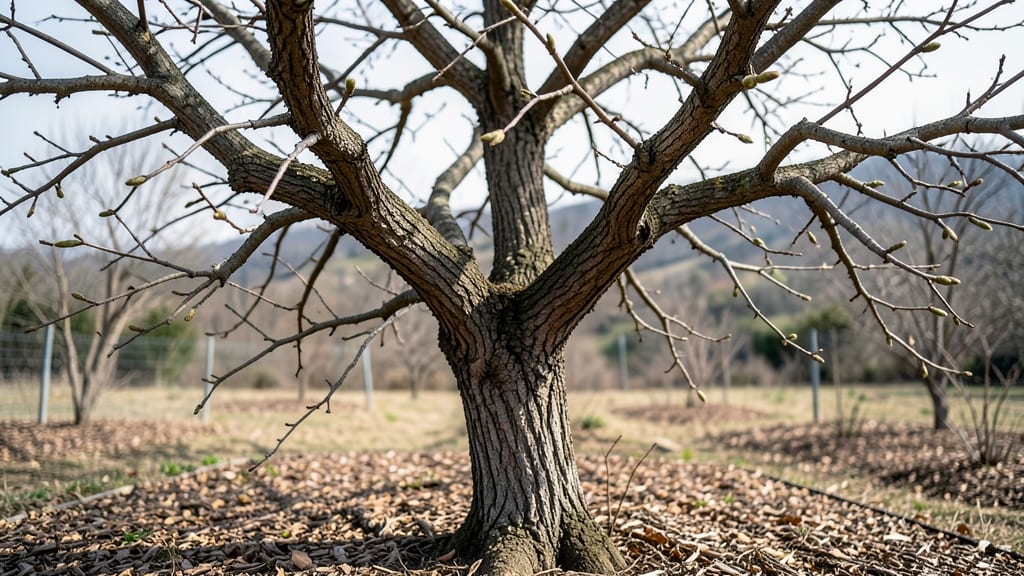
Winter pruning almond trees isn't just cutting—it's a spring bloom guarantee. ✂️ I learned the hard way that skipping this step means fewer nuts and weaker branches next year. The dormant season is when almonds heal fastest, so we're not just trimming—we're shaping their future harvest.
You'll need sharp bypass pruners, a ladder (for taller trees), and a clear day when temps are above freezing. The goal is to remove dead wood, open the canopy for sunlight, and encourage strong new growth.
Think of it like giving your tree a haircut that works with its natural shape, not against it. By late winter, you'll see fresh green shoots where you made cuts—proof the tree is waking up. Those branches will bear next year's blossoms, and the structure will support heavier harvests.
The key is timing: too early and you risk frost damage; too late and you delay spring growth. Works for both young trees and mature orchards. Here's how to do it right without over-pruning or leaving weak limbs behind.
📚 In This Guide
- What you need
- Instructions
- Tips and common mistakes
- Wrapping up and next steps
What you need
- ● Pruning shears: Bypass pruners (sharp, clean, and disinfected with rubbing alcohol). Size: 6-8 inches for small branches.
- ● Loppers: For thicker branches (½–1½ inches in diameter). Look for: Long handles (20+ inches) for leverage.
- ● Pruning saw: For branches 2+ inches thick. Type: Bow saw or curved blade for precision.
- ● Gloves: Heavy-duty, cut-resistant gloves (e.g., mechanics’ gloves) to protect hands from thorns and sap.
- ● Disinfectant: 70% isopropyl alcohol or a pruning sealant (e.g., Tanglefoot Pruning Seal) to prevent disease spread.
- ● Rag or paper towels: For wiping tools between cuts.
- ○ Marking twine or flags: Optional but helpful for tagging branches to prune (use bright-colored twine or stakes).
- ● Ladder or step stool: If your tree is tall (ensure it’s stable and rated for your weight).
- ● Bucket or trash bag: For collecting pruned branches (great for compost or firewood!).
- ● Weather check: Prune on a dry, calm day (avoid frost or rain within 24 hours).
- ● First-aid kit: Just in case (bandages, antiseptic wipes, tweezers for splinters).
- ● Eye protection: Safety goggles to shield from debris (especially if the tree is thorny).
- ● Long sleeves/pants: Thick fabric to protect against scratches and sap.
- ● Water & snacks: Pruning can take time—stay hydrated and energized!
- ● Sharpen your tools! Dull blades tear bark, inviting disease. Hone shears with a file before starting.
- ● Study your tree: Sketch a rough map of branches to prune (aim to remove no more than 25% of the canopy).
- ○ Have a buddy: Optional but smart for tall trees or tricky cuts—an extra pair of hands helps!
Step-by-step guide to winter pruning your almond tree
Here's how to revitalize your almond tree for next season's blooms—just a few strategic cuts make all the difference.
🌿 Step 1: Time Your Pruning Perfectly
Prune your almond tree during its dormant season, ideally between late winter and early spring—just before buds begin to swell. In most regions, this falls between February and March when temperatures average 40-50°F. You'll know it's time when the tree looks completely bare with no active growth.
Never prune in fall or when the tree is actively growing. Pruning too early can stimulate new growth that won't harden off before winter, while waiting too long risks removing next year's flower buds. I always mark my calendar for mid-February—this timing has given me the best bloom results over the years.
✂️ Step 2: Remove Dead, Diseased, or Damaged Wood
Start by inspecting every branch for dead wood (brown, brittle limbs that snap easily) or diseased branches (discolored bark, fungal growth, or oozing sap). Use clean, sharp pruning shears to make 45-degree cuts just outside the branch collar—the swollen area where the branch meets the trunk.
If you're unsure whether a branch is dead, scratch the bark with your fingernail. Healthy wood has a greenish layer beneath, while dead wood reveals only brown or dry tissue. Remove any branches that are crossing or rubbing against others—these wounds invite pests and disease. I always work from the inside out, starting with the smallest branches first.
☀️ Step 3: Thin the Canopy for Better Airflow
Almond trees need good airflow to prevent fungal diseases like peach leaf curl. Step back and look at the tree's overall shape—aim to create an open, vase-like structure that allows sunlight to reach the center. Remove up to 25% of the tree's branches, focusing on:
• Suckers (vigorous shoots growing from the base or trunk) • Water sprouts (fast-growing vertical shoots) • Overcrowded branches (those growing too close together) Use your pruners to cut branches back to a side branch or bud, making sure your cut is just above an outward-facing bud. This encourages new growth to develop in the right direction.
🪴 Step 4: Shape for Optimal Growth and Harvest
Almond trees thrive when they have a balanced, open center. Look for branches that are too long or drooping—these can be shortened by one-third to one-half to redirect energy to fruit production. Always cut back to a lateral branch or bud, never leaving a stub.
Pay special attention to the tree's scaffold branches (the main structural limbs). These should be spaced 8-12 inches apart along the trunk and angled 45-60 degrees outward. If a scaffold branch is growing too upright, you can lightly notch the top to encourage it to grow outward. This step ensures your tree will support heavy fruit loads without breaking.
⏰ Step 5: Clean Up and Protect for Next Season
After pruning, sterilize your tools with rubbing alcohol to prevent spreading disease. Remove all pruned branches and debris from the area—never leave them on the ground, as they can harbor pests and fungi. For extra protection, apply a dormant oil spray in late winter to smother overwintering pests like scale or mites.
Finally, mulch the base of the tree with 2-3 inches of organic mulch (like wood chips or straw) to retain moisture and regulate soil temperature. Keep the mulch 6 inches away from the trunk to prevent rot. This final step sets your tree up for strong, healthy growth come spring.
Tips & tricks for perfect almond tree winter pruning
These simple strategies will help you prune like a pro and set your almond tree up for a spectacular spring bloom.
Timing is Everything: The dormant season window between late winter and early spring is critical—aim for mid-February when temperatures consistently stay between 40-50°F. I've learned the hard way that pruning too early (like in January) can stimulate premature growth that won't survive winter, while waiting too late (March) risks removing next year's flower buds. Check for completely bare branches with no green showing as your cue to start. This precise timing ensures your tree enters spring with maximum energy for blooming.
Tool Preparation Matters: Before you even touch the tree, sterilize your pruning shears with rubbing alcohol to prevent spreading disease between cuts. I always make this my first step—it's a small habit that prevents major problems later. Also, make sure your blades are sharp; dull shears create jagged cuts that heal poorly and invite infections. A quick test: if your shears struggle to cut through a dry twig cleanly, they need sharpening.
Cutting Technique Secrets: When removing branches in Step 2, your 45-degree angle cut just outside the branch collar is crucial—but what you might not know is that the size of your cut matters too. For branches thicker than your thumb, make two cuts: first undercut about 1/4 inch away from the branch collar, then make your final cut just outside the collar. This prevents tearing and gives the wound a better chance to seal properly. I've seen too many pruning mistakes where this simple technique was overlooked.
Visualizing the Final Shape: Before making any cuts in Step 3, step back and visualize your tree's ideal shape—think of it as creating an open vase with sunlight in mind. You can use string or a garden hose to outline the shape you want before you start cutting. This helps you see which branches need removal to achieve that open, airy structure. I always sketch a rough diagram on paper first, which makes the actual pruning go much faster and more accurately.
Pro Tips for Almond Tree Winter
- These simple strategies will help you prune like a pro and set your almond tree up for a spectacular spring bloom.
- Timing is Everything: The dormant season window between late winter and early spring is critical—aim for mid-February when temperatures consistently stay between 40-50°F.
- Tool Preparation Matters: Before you even touch the tree, sterilize your pruning shears with rubbing alcohol to prevent spreading disease between cuts.
Frequently asked questions
When is the exact best time to prune an almond tree in winter?
Prune your almond tree during dormancy, typically between late winter (January–February) and early spring (before buds swell). Aim for 30–45°F (–1–7°C) temps to minimize stress and disease risk. Avoid pruning after buds break—this disrupts spring blooms!
Can I prune an almond tree in late winter if I missed the ideal window?
Yes, but act fast! Prune before buds burst (usually by March). Late pruning slows spring growth and may reduce next year’s nut yield. If buds are already swelling, wait until post-harvest (summer) for light maintenance cuts only.
What if my almond tree looks dead after winter—should I prune it?
Don’t panic! Almond trees often appear bare in winter. Look for green buds or bark slits—signs of life. If the tree is truly dead (no buds, brittle wood), prune aggressively to encourage new growth. For borderline cases, wait until spring to assess.
Will pruning in winter help prevent almond tree diseases?
Winter pruning removes dead/diseased wood, improving airflow and sunlight penetration. Always sterilize tools with rubbing alcohol between cuts to prevent spreading fungal/bacterial issues like brown rot.
What’s the best way to dispose of pruned almond branches?
Bag and trash diseased wood immediately. Healthy branches can be chipped for mulch (avoid piling near the tree) or composted. Never burn prunings—almond tree debris can harbor pests like peach twig borers.
Wrapping up and next steps
Winter pruning your almond tree isn’t just a chore—it’s the secret to a bountiful spring bloom and healthier harvests down the road. 🌱 By following the right techniques during dormancy, you’ll encourage stronger growth, better airflow, and a more productive tree.
Now that you’re armed with the knowledge, there’s no time like the present—grab those pruners and get to work!
Your next step? Mark your calendar for late winter (just before buds swell) and take action—your future almond crop will thank you! For extra confidence, watch a few step-by-step pruning tutorials or join a local gardening group for hands-on tips. Happy pruning!