
Light Requirements
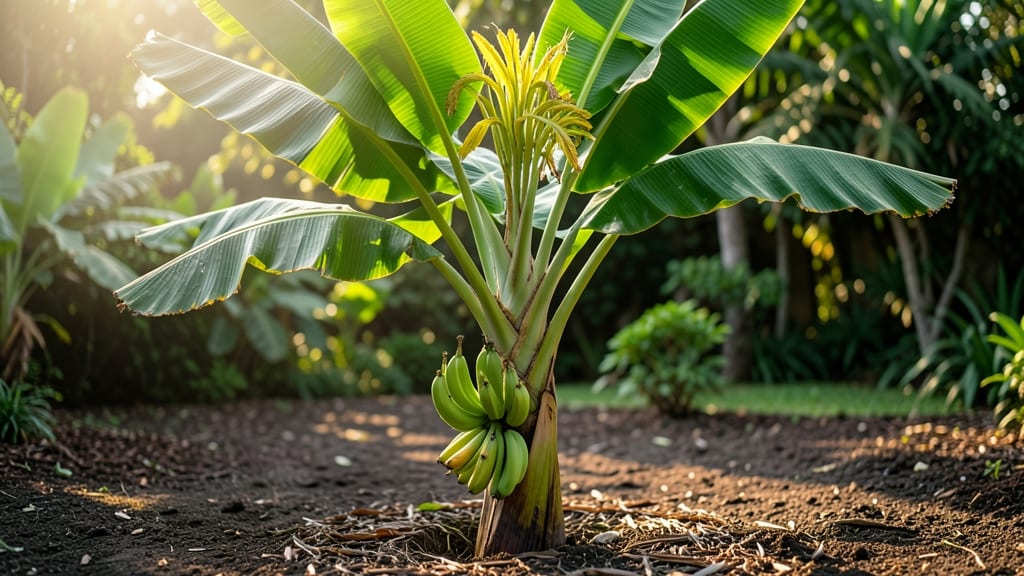
Growing a banana tree in full sun transforms your yard into a tropical oasis—even if you're not in Florida. 🌿 The key isn't just sunlight; it's balancing heat, soil, and water to keep your plant thriving where most growers give up.
My first attempt nearly died from afternoon scorching, but I learned the exact conditions that make these giants flourish in hot climates.
Banana trees need 6+ hours of direct sun daily, but they can't handle midday heat above 95°F without shade. The soil must drain like a sandy loam while holding moisture—think 50% organic matter mixed with perlite.
Water deeply 2-3 times weekly, soaking the root zone but never letting it sit soggy. Most people overwater, leading to yellow leaves and root rot.
With the right setup, you'll see new fronds unfurling in 6-8 weeks and harvestable fruit within 9-12 months for dwarf varieties. The trick is mimicking their native environment: morning sun, afternoon shade, and consistent moisture. Even in Zone 8+, this method works—just move potted trees indoors before frost.
Watch for heat stress (crispy leaf edges) and pests (spider mites love dry conditions). Mulch heavily to retain moisture, and fertilize monthly with a balanced 10-10-10 during growing season. Your banana tree will reward you with 10-foot-tall drama and edible fruit—no greenhouse needed.
📚 In This Guide
- What you need
- Instructions
- Tips and common mistakes
- Wrapping up and next steps
What you need
- ● Banana tree plant: A healthy Musa variety (e.g., 'Dwarf Cavendish' or 'Ice Cream' banana) from a nursery or online supplier.
- ● Large container or in-ground plot: Container: A 15–20 gallon pot with drainage holes (minimum 24" diameter for mature roots).
- ● In-ground: A 6' x 6' space with well-draining soil in a full-sun location (6+ hours/day).
- ● Well-draining potting mix: A blend of 50% peat moss/coco coir, 30% perlite or pumice, and 20% compost (or tropical soil mix).
- ● Mulch: 3–4 inches of organic mulch (straw, wood chips, or pine bark) to retain moisture and regulate temperature.
- ● Fertilizer: Balanced fertilizer (10-10-10) for planting.
- ● High-potassium fertilizer (e.g., 0-10-10) during fruiting season (spring/summer).
- ● Watering can or hose with nozzle: For deep, infrequent watering (avoid soggy soil!).
- ○ Support stake or trellis (optional): A 6–8 ft bamboo stake or sturdy trellis to train the pseudostem as it grows.
- ● Shade cloth (30–50%) for seedlings or extreme heat zones (temporarily).
- ● Slow-release fertilizer tablets for containers (e.g., Osmocote).
- ● Pruning shears for removing dead leaves or suckers.
- ● Soil moisture meter to monitor watering needs.
- ● Epsom salt (magnesium sulfate) for yellowing leaves (apply monthly during growth).
Step-by-Step instructions for planting a banana tree in full sun
Here's how to establish a banana tree that thrives under blazing sun—no tropical climate required.
🌱 Step 1: Select and Prepare the Planting Site
Choose a location with at least 6 hours of direct sunlight daily—banana trees adore full sun but need protection from afternoon heat extremes. The soil should drain well, so avoid low spots where water pools. I always test drainage by digging a 12-inch deep hole and filling it with water; if it doesn't drain within 2 hours, amend with 3-4 inches of compost and a handful of coarse sand.
Banana trees are heavy feeders, so enrich the soil with 2-3 inches of well-rotted manure or compost mixed into the top 12 inches of soil. The goal is loose, fertile earth that mimics their native tropical conditions. You'll see the difference immediately—roots spread easily in airy soil rather than struggling in compacted earth.
🪴 Step 2: Plant the Banana Tree Properly
Dig a hole twice as wide as the root ball but only as deep—planting too deep suffocates the crown and causes rot. Gently remove the banana tree from its container and loosen any circling roots with your fingers. Place it in the hole so the top of the root ball sits 1-2 inches above ground level; this prevents water from pooling around the base.
Fill the hole with soil, pressing lightly to eliminate air pockets but avoiding compaction. Water deeply to settle the soil around roots, then add a 2-inch layer of mulch (straw or wood chips) around the base, keeping it 6 inches away from the trunk. Mulch conserves moisture and regulates soil temperature—critical for sun-stressed banana trees. Watch for the first flush of new leaves within 2-3 weeks as a sign of successful establishment.
☀️ Step 3: Provide Sun Protection and Watering
While banana trees love sun, they need gradual acclimation to prevent leaf scorch. For the first 2 weeks, shade the tree with a 30% shade cloth during peak afternoon sun (12-4 PM). Remove the shade cloth completely after 2 weeks if no leaf burn appears. You'll notice leaves turning pale yellow at the edges if the transition is too abrupt—this is your cue to extend the shade period.
Water deeply 2-3 times per week during the first 3 months, ensuring the soil stays moist but not soggy. Banana trees in full sun require 1-2 inches of water weekly—check by sticking your finger 2 inches into the soil. Let the top inch dry out between waterings to prevent fungal issues. Once established, they'll tolerate brief dry spells, but consistent moisture yields larger, healthier leaves.
✂️ Step 4: Fertilize and Prune for Long-Term Health
Feed your banana tree with a balanced 10-10-10 fertilizer every 6-8 weeks during the growing season (spring through fall). Apply half the recommended dose at planting, then follow up with full strength in 4-6 weeks. Over-fertilizing burns roots, so always water the tree deeply before and after applying fertilizer. You'll see vigorous new growth within 2-3 weeks of fertilization.
Remove any dead or damaged leaves immediately to prevent disease spread. In late winter or early spring, prune back any suckers (shoots) that emerge from the base to a single strong stem—this directs energy toward fruit production. Never prune more than 25% of the foliage at once, as banana trees rely on leaves for energy. Healthy trees develop large, upright leaves with minimal yellowing, signaling proper care.
Tips & tricks for thriving banana trees in full sun
Between us, establishing a banana tree in full sun is a game-changer for your yard—but only if you nail these key details. Here's what nobody tells you about making it thrive.
Soil Preparation Secret: The 12-inch deep drainage test in Step 1 is non-negotiable. I learned this the hard way after losing two trees to root rot in poorly draining soil. If your soil fails the 2-hour test, mix in that 3-4 inches of compost AND a handful of coarse sand—this creates the perfect airy texture banana roots crave. Think of it as giving your tree's roots a spa treatment.
Planting Depth Matters: When placing your tree in Step 2, that 1-2 inch above-ground level is critical. Too deep and you suffocate the crown; too shallow and roots bake in afternoon sun. I use a small stake marked at the correct height as a guide—it's worth the 30 seconds to get this right. You'll thank yourself when you see those first flush of leaves in 2-3 weeks.
Sun Acclimation Strategy: That 2-week shade period in Step 3 isn't just about leaf scorch—it's about teaching your tree to handle intense sunlight. Start with 30% shade cloth during peak sun (12-4 PM), then gradually reduce coverage. Watch for pale yellow edges as your warning sign; this means you're moving too fast. I've seen trees go from crispy to lush in just 3 weeks with this gradual approach.
Watering Wisdom: The 2-3 times weekly watering in Step 3 is your baseline, but here's the pro move: water deeply at the base rather than sprinkling leaves. Use your finger to check that 2-inch soil depth—if it's dry, water again. This prevents fungal issues while keeping roots consistently moist. I've had trees survive droughts by following this method, though they never look as vigorous as properly watered ones.
Pro Tips for Banana Tree Full Sun
- Between us, establishing a banana tree in full sun is a game-changer for your yard—but only if you nail these key det...
- Soil Preparation Secret: The 12-inch deep drainage test in Step 1 is non-negotiable. I learned this the hard way afte...
- Planting Depth Matters: When placing your tree in Step 2, that 1-2 inch above-ground level is critical. Too deep and ...
Frequently asked questions
Got questions about growing banana trees in full sun? We’ve got answers!
Whether you’re troubleshooting leaf issues or wondering about alternatives, here’s what you need to know.
How much full sun does a banana tree really need?
A banana tree thrives in 6–8 hours of direct sunlight daily. In hot climates (Zones 10–11), partial afternoon shade helps prevent leaf scorch. If you’re in cooler areas (Zones 8–9), extend sunlight to 8+ hours for optimal fruit production. Pro tip: Monitor leaves—yellowing edges signal too much sun!
Can banana trees survive in intense full sun without wilting?
Yes, but they need consistent moisture and well-draining soil. Mulch the base to retain humidity and protect roots. In extreme heat (above 95°F), provide light shade midday. Dwarf varieties like ‘Lady Finger’ handle sun better than large types like ‘Musa acuminata.’
Will a banana tree grow in full sun if I only have a small yard?
Choose dwarf or compact varieties like ‘Red Dwarf’ or ‘Ice Cream’ (banana plantain). These stay under 10 feet tall and thrive in containers with full sun. Just ensure the pot has drainage holes and use a lightweight potting mix.
Why are my banana tree leaves turning brown in full sun?
Brown, crispy edges usually mean sunburn or underwatering. Check soil moisture—it should stay evenly damp but not soggy. Adjust watering to early morning and avoid overhead sprinklers. If leaves are yellowing, it could also signal nutrient deficiency (try a balanced fertilizer).
Are there full-sun alternatives to banana trees for shade lovers?
If you want tropical vibes but less sun exposure, try:
- Bird of Paradise (Strelitzia) – Tolerates partial shade and full sun.
- Palm Trees (e.g., Mediterranean Fan Palm) – Thrives in sun but handles light shade.
- Elephant Ear (Colocasia) – Prefers shade but can take morning sun.
Wrapping up and next steps
Growing a thriving banana tree in full sun is totally doable—even for beginners! 🌿 With the right soil, sunlight, and care, you’ll soon enjoy a lush tropical canopy that adds beauty and even fresh fruit to your yard.
Start small, stay patient, and don’t hesitate to experiment with varieties that suit your climate.
Your next step: Pick your favorite banana cultivar, gather your supplies, and get planting! Before you know it, you’ll be harvesting your own tropical treats. Happy growing! 🍌✨