
Pruning
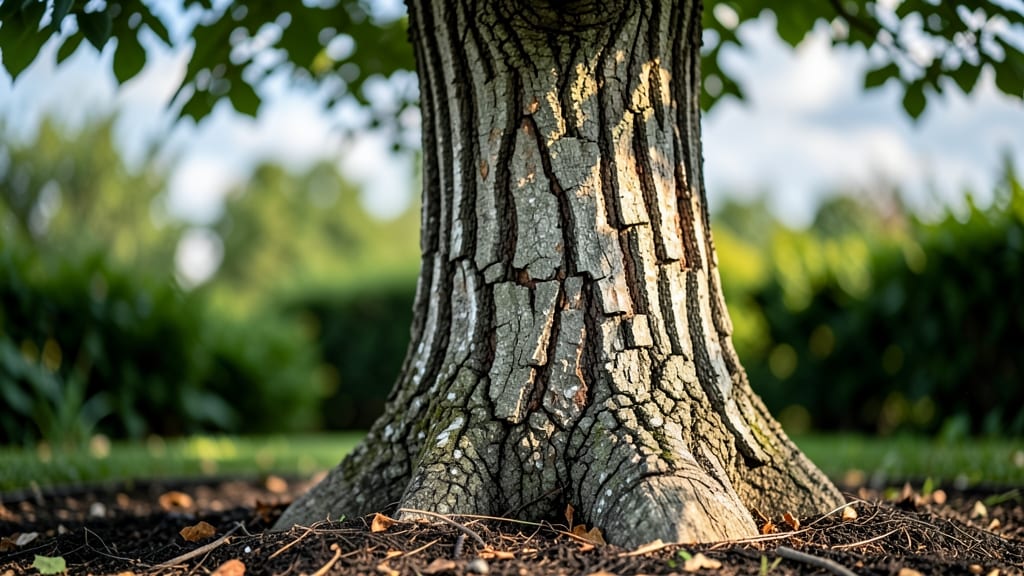
American plum tree bark tells the story of your tree’s health—rough, dark ridges in winter that soften to reveal hidden secrets in spring. 🌳 I’ve watched mine transform from winter’s cracked armor to spring’s vibrant canvas, and those changes aren’t just pretty; they’re clues about what’s working (or not) in your care routine.
The bark’s texture should stay firm but not brittle—think of it like leather, not cardboard. Cracks wider than a pencil or oozing sap signal trouble, while smooth, slightly peeling patches mean the tree’s shedding old skin naturally.
Compare it to European plums: ours hold their rougher texture longer, but both need the same pruning touch to keep that bark healthy and productive.
Pruning at the right time—late winter or early spring—keeps the bark strong and the fruit abundant. Focus on removing dead branches first; their stubs turn into entry points for pests.
A sharp cut just outside the branch collar (that’s the swollen area where the branch meets the trunk) prevents unsightly tears and keeps the bark’s protective layer intact.
This isn’t just about aesthetics—healthy bark means fewer diseases and more fruit next season. Keep an eye out for dark spots or powdery residue; those are early warnings. With consistent care, your American plum’s bark will stay resilient, and those sweet summer fruits will keep coming back year after year.
📚 In This Guide
- What you need
- Instructions
- Tips and common mistakes
- Wrapping up and next steps
What you need
- ○ Pruning shears – Bypass pruners (for clean cuts on branches ≤¾ inch thick). Optional: Anvil pruners (for thicker branches, but risk crushing wood).
- ● Loppers – For branches 1–3 inches thick. Look for ratcheting loppers for extra leverage.
- ● Pruning saw – Curved-tooth saw for branches >3 inches thick (avoid tearing bark).
- ● Rubbing alcohol (70% isopropyl) – 1 small bottle to sterilize tools between cuts and prevent disease spread.
- ○ Pruning sealant – Optional but helpful for large cuts (>½ inch diameter) to prevent pests/infections. Choose a water-based or latex-based sealant.
- ○ Gloves – Heavy-duty work gloves (protect from thorns and sap). Optional: Gardening gloves with grip for better control.
- ● Ladder or step stool – Sturdy, extendable (ensure it’s tall enough for your tree’s height). Safety first!
- ● Tarp or drop cloth – Medium-sized to catch fallen branches/debris.
- ● Weather check – Prune on a dry, cloudy day (avoid extreme heat or frost). Early morning or late afternoon is ideal.
- ○ Tree health assessment – Inspect for diseased, dead, or crossing branches before starting. Mark them with flagging tape (optional).
- ● Safety gear – Safety glasses (to protect from debris) and closed-toe shoes.
- ● Cleanup supplies – Trash bags or compost bin for pruned branches (dispose of diseased wood separately).
How to prune American plum trees for healthy bark and abundant fruit
Pruning isn't just about shaping—it's about protecting that beautiful bark while maximizing fruit production.
✂️ Step 1: Time Your Pruning for Bark Protection
Prune American plum trees during late winter or early spring, before buds swell but after the worst cold snaps. This timing lets wounds heal before summer pests attack. I wait until mid-February in my zone 6 climate—when days start warming but frost is still possible. Avoid pruning in fall, as new cuts won't heal before winter's chill sets in.
Look for dormant buds along branches—they'll appear as small, plump bumps. These are your pruning guides. Cut just above a bud at a 45-degree angle, leaving a small lip to protect the bud from rain. This simple technique prevents water from pooling and rotting the bark underneath.
🌿 Step 2: Remove Dead and Diseased Wood First
Start by scanning the tree for branches with blackened bark, oozing cankers, or dead wood that snaps easily. These are your top priorities—they spread disease and weaken the tree. Use clean, sharp pruners to make cuts 6-12 inches below the affected area on healthy wood. The goal is to remove the entire diseased section without leaving stubs.
If you spot silver leaf disease (a common plum tree issue), burn or dispose of infected branches immediately. Never compost them—the fungus can survive and reinfect your tree. Healthy bark should be smooth and brown to gray, not cracked or peeling.
☀️ Step 3: Thin the Canopy for Light and Airflow
Step back and look at the tree's structure. You want sunlight to reach all branches—especially the inner bark that often gets shaded. Remove branches that cross or rub against others, as these create wounds that invite pests. I target branches growing inward or downward, cutting them back to a strong outward-facing bud.
Leave 3-4 main scaffold branches evenly spaced around the trunk. These should be 12-18 inches apart and angled outward. Thin the canopy by no more than 25% in one season—over-pruning stresses the tree and weakens bark resilience.
⏰ Step 4: Shape for Fruit Production and Bark Health
American plum trees fruit best on 2-3 year old wood, so prioritize branches with these characteristics. Look for plump, swollen buds along last year's growth—these will produce the most fruit. Prune back overcrowded branches to encourage stronger, fruit-bearing wood.
Use the open-center form for easier access and better airflow. Cut back the central leader (main trunk) to 6-8 feet tall to prevent bark splitting from heavy fruit loads. Always make cuts just outside the branch collar—the swollen area where the branch meets the trunk—to preserve the tree's natural healing tissue.
🪴 Step 5: Post-Pruning Care for Bark Protection
After pruning, apply a wound dressing only to large cuts over ½ inch in diameter. Use a product with benomyl or copper fungicide to prevent infection. For smaller cuts, let the tree seal naturally—it heals faster without interference. Water deeply to help the tree recover, especially if you pruned during a dry spell.
Monitor the tree for 1-2 weeks after pruning. Healthy bark should remain firm and smooth-textured. If you notice oozing sap or unusual discoloration, treat immediately with a fungicide or horticultural oil. This is your chance to catch issues before they spread and damage the bark's protective layer.
Tips & tricks for pruning American plum trees
Here's what I've learned after years of pruning these trees—these little details make all the difference for healthy bark and bountiful fruit.
Timing is Everything: The mid-February window in zone 6 is perfect because it gives wounds time to heal before summer pests arrive. I've seen trees pruned in fall develop fungal infections because the cuts don't have time to seal properly before winter's chill. If you're in a warmer zone, aim for early spring when buds just begin to swell.
Bud Identification: Those plump, dormant buds you're cutting above are your secret weapon. I always run my thumb along the branch to feel for them—they'll be slightly raised and firm. Cutting at that 45-degree angle above the bud creates a natural water shield that prevents rot. This one technique alone has saved me from multiple bark infections over the years.
Disease Prevention: When dealing with silver leaf disease, I've learned to never hesitate—remove infected branches immediately and burn them. The fungus spreads through sap, so even a small infected branch can contaminate your entire tree. For larger cuts over ½ inch, I use a wound dressing with copper fungicide, but I've found smaller cuts heal better when left to seal naturally.
Canopy Balance: That 25% thinning rule is critical—over-pruning stresses the tree and weakens its natural defenses. I always step back and visualize sunlight reaching all branches, especially the inner bark that often gets shaded. Leaving those 3-4 main scaffold branches creates the perfect open-center form that prevents bark splitting from heavy fruit loads.
Pro Tips for American Plum Tree Bark
- Here's what I've learned after years of pruning these trees—these little details make all the difference for healthy ...
- Timing is Everything: The mid-February window in zone 6 is perfect because it gives wounds time to heal before summer...
- Bud Identification: Those plump, dormant buds you're cutting above are your secret weapon. I always run my thumb alon...
Frequently asked questions
Got questions about pruning American plum trees and their bark health?
You’re not alone! Here are some of the most common questions—and straightforward answers—to keep your tree thriving.
When is the best time to prune an American plum tree to protect its bark?
Prune your American plum tree during late winter or early spring (before buds swell) to minimize stress and disease risk. Avoid pruning in fall, as wounds may not heal before cold weather sets in. If you must prune in summer, do it early and keep tools sanitized to prevent bark infections.
How do I prune without damaging the bark or inviting pests?
Use sharp, sterilized tools (like pruning shears or a saw) to make clean cuts at a 45-degree angle just outside the branch collar. Avoid tearing or stripping bark—this invites rot and pests. Seal larger wounds with pruning sealant (optional for small cuts) to speed healing.
What should I do if the bark on my plum tree looks cracked or peeling?
Cracked or peeling bark is often normal as the tree matures, but if it’s thick, oozing, or accompanied by discolored leaves, it could signal bacterial canker or silver leaf disease. Prune affected branches below the damage, sterilize tools, and monitor for further spread. In severe cases, consult a local arborist.
Are there alternatives to pruning if my tree’s bark is already compromised?
If bark damage is extensive, focus on improving tree health first: water deeply during droughts, mulch around the base (keep mulch 3–4 inches away from the trunk), and fertilize with balanced, slow-release nutrients. Avoid heavy pruning—let the tree recover naturally while removing only dead or diseased branches.
Does pruning in cold weather harm the American plum tree’s bark?
Pruning in freezing temperatures can stress the tree and slow wound healing, increasing the risk of bark damage. Wait until temps are above 40°F (4°C) for at least a few days. If you must prune in winter, do it on a mild, dry day and avoid heavy cuts—focus on shaping and removing dead wood.
Wrapping up and next steps
Mastering the art of pruning your American plum tree bark isn’t just about aesthetics—it’s a year-round commitment to healthier growth, better fruit, and a thriving orchard. 🌳 From understanding the right tools to timing your cuts and troubleshooting common issues, you now have the knowledge to keep your tree flourishing.
The key? Consistency and patience—your tree will thank you with luscious fruit and vibrant foliage!
Ready to put your new skills to work? Grab your pruners and schedule your next pruning session—whether it’s for winter dormancy or summer shaping. Every trim brings you closer to a bountiful harvest and a stunning landscape. Happy pruning!