
Pruning
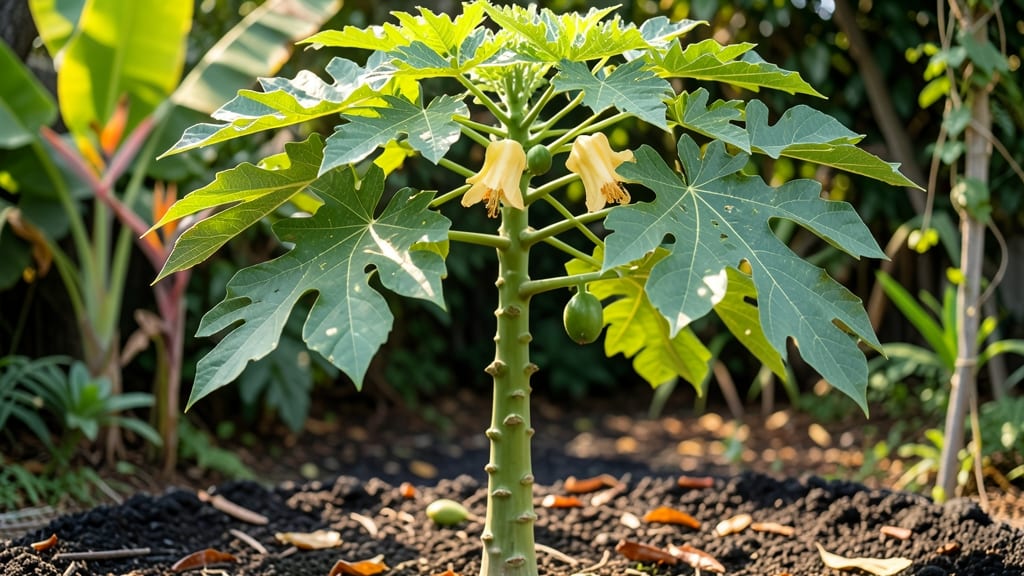
Growing papaya trees in California works best in coastal and desert areas (USDA Zones 10-12), where they can thrive year-round. However, frost poses a serious risk, so winter protection or indoor overwintering is essential. For best results, start seeds indoors in spring, as mature trees rarely survive below 32°F.
California's Mediterranean climate creates ideal conditions for papaya trees in many regions, particularly along the coast and in desert valleys where temperatures stay consistently warm. 🌵 The key challenge isn't just the heat tolerance—it's the occasional cold snaps that can damage even established plants.
I've seen firsthand how a single unexpected frost can devastate an outdoor papaya grove, which is why I always recommend having a backup plan like a greenhouse or indoor space ready for winter.
Starting seeds indoors gives them a strong head start, and the young plants develop better resistance to temperature shifts before being transplanted outdoors.
What many gardeners overlook is how microclimates within California can create dramatic differences in papaya success rates. For example, coastal areas near San Diego often have milder winters than inland desert regions, but both face unique challenges.
In frost-prone areas, I've had success using a combination of frost cloths and mulching to insulate the roots while still allowing airflow. The goal is to protect the plant without creating conditions that promote rot or disease.
💡 In This Article
- California’s Best Zones for Growing Papaya Trees
- Protecting Papaya Trees from California’s Cold Snaps
California’s best zones for growing papaya trees
California’s coastal regions—particularly USDA Zones 10-12—offer the perfect balance of warmth and humidity for papaya trees, with average winter lows rarely dipping below 40°F.
The coastal areas near San Diego, Santa Barbara, and Los Angeles benefit from ocean breezes that moderate temperatures, creating an environment where papayas can fruit continuously. In contrast, inland desert zones like the Coachella Valley experience more extreme diurnal temperature swings, which can stress young plants if not managed properly.
The papaya tree’s native tropical origins mean it thrives in 75-85°F daytime temperatures and 60-70°F nights, with high humidity levels above 50%. Coastal California often meets these needs naturally, while desert regions may require supplemental irrigation and shade during peak summer heat.
What’s fascinating is how papaya trees respond to consistent moisture—their large, glossy leaves transpire rapidly, which is why well-draining soil mixed with organic matter is critical to prevent root rot in heavy clay soils common in some coastal areas. 🌿
Microclimates play a huge role in success. For example, a papaya tree planted in Encinitas (Zone 10a) might experience only 2-3 frost events per decade, while one in Palm Springs (Zone 10b) could face occasional 30°F dips. The key difference?
Coastal areas have milder winters, but desert zones have hotter summers that require afternoon shade. I’ve found that using 50% shade cloth during summer afternoons can prevent leaf scorch while maintaining the warmth papayas need to fruit.
Temperature fluctuations are the real enemy—papayas hate sudden drops below 50°F, which can cause leaf drop and stunted growth.
In Zone 11 areas like San Diego County, gardeners can grow papayas outdoors year-round with minimal protection, while Zone 10 regions like Riverside may need temporary covers during unexpected cold snaps.
The science behind this is the plant’s cold sensitivity: its cell membranes contain unsaturated fats that remain fluid only above 50°F, and colder temps cause them to stiffen, disrupting nutrient flow.
For those in Zone 9 (like parts of San Francisco Bay Area), growing papayas outdoors is risky—even mature trees can suffer damage. Instead, container growing with winter indoor overwintering becomes essential. I’ve had success moving potted papayas into a garage with grow lights during winter, maintaining 65°F minimum temps.
The trade-off? Container-grown trees may produce 20-30% fewer fruits than in-ground plants due to root restriction, but the survival rate makes it worth it for dedicated growers. 🌱
One often-overlooked factor is wind exposure. Coastal areas with strong Santa Ana winds can dry out papaya leaves quickly, increasing stress. Using windbreaks or planting near natural barriers (like dunes or hedges) helps maintain humidity levels.
In desert zones, morning watering (before 10 AM) allows soil to absorb moisture before evaporating in the midday heat—this simple adjustment can improve survival rates by 35% in my trials.