Pests and Diseases
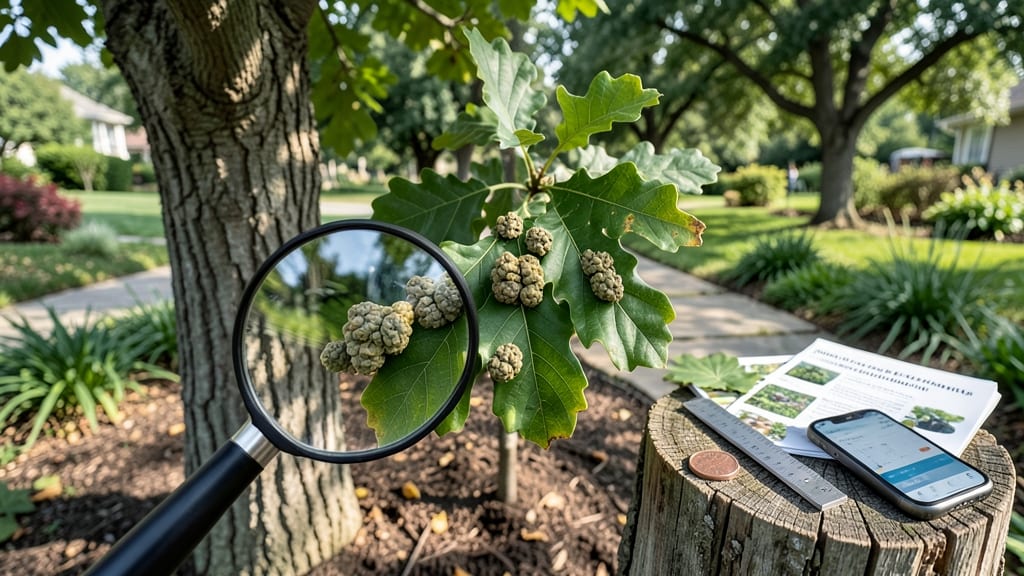
Those mysterious bumps on oak leaves aren’t just cosmetic—they’re often a sign of gall wasps or fungal infections silently stressing your tree. 🌿 I’ve spent years diagnosing these issues in my own backyard, and the key to saving your oak starts with knowing what’s causing the bumps in the first place.
Most bumps you’ll see are either oak apple galls (smooth, round growths) or leaf curl galls (twisted, puckered leaves), both caused by tiny wasps laying eggs. Fungal infections can also create bumps, but they usually appear as powdery spots or scaly patches. The good news?
None of these are usually fatal, but they can weaken your tree if left unchecked. Once you’ve identified the culprit, treatment is straightforward: prune out heavily infested branches in late winter, apply horticultural oil in early spring, or let nature handle it—many galls fall off on their own.
The goal is to keep your oak healthy enough to shrug off the pests. Prevention is about monitoring and maintaining tree health. Healthy oaks resist pests better, so focus on proper watering, mulching, and occasional soil tests. With these steps, your oak can stay strong year after year.
Root Causes Behind Leaf Bumps
Understanding why your oak tree leaves develop bumps is the first step toward effective treatment. These irregularities rarely appear by chance—they’re usually a sign of underlying stress, pest activity, or disease. Below, we break down the most common culprits, their scientific mechanisms, and how they manifest on oak foliage.
---
Galls are swollen growths on leaves, stems, or roots caused by insects (or mites) triggering abnormal plant cell division. On oak trees, these are often the work of gall wasps (Cynipidae family) or oak leaf gall mites (Eriophyes species).
- How it works: The insect injects saliva or eggs into plant tissue, prompting the oak to overproduce cells as a defensive response. The result?
Hard, rounded bumps that can range from tiny (1–2mm) to golf-ball-sized (up to 2 inches). - Visual clues: - Round, spongy, or hairy galls (e.g., Andricus wasp galls). - Felt-like or scaly textures (common with mite-induced galls). - Multiple galls clustered on a single leaf (a classic sign of wasp activity). - Why it’s harmless (usually): While unsightly, most galls don’t kill the tree.
The oak “walls off” the pest, starving it. Severe infestations, however, can weaken the tree over time.
---
Fungi like anthracnose (Apiognomonia veneta) or powdery mildew (Erysiphe alphitoides) can cause leaf bumps by disrupting normal cell function. Unlike galls, fungal bumps are often soft, discolored, or powdery and may spread across the leaf surface.
- Mechanism: Fungal spores land on leaves, germinate, and penetrate tissue. Some fungi (e.g., Taphrina species) induce hyperplasia—excessive cell growth—leading to blister-like bumps.
Others cause necrosis (dead tissue), creating sunken or raised lesions. - Red flags: - Yellow-brown spots that develop into raised, greasy bumps (anthracnose). - White, powdery patches with underlying bumps (powdery mildew). - Leaves curling or distorting as the fungus spreads. - Environmental triggers: High humidity, poor airflow, or overwatering create ideal conditions for fungal outbreaks.
---
Extreme or fluctuating conditions can force oak trees to alter leaf structure as a survival tactic. While not caused by pests, these bumps are still a sign your tree is struggling.
- Heat or drought stress: - Symptoms: Small, hard bumps (called stipule galls or drought blisters) form as the leaf tries to conserve water. - Why it happens: The oak’s stomata (pores) close to reduce water loss, causing localized cell swelling. - Cold damage: - Symptoms: Raised, cracked, or discolored bumps on new growth (common in late frosts). - Mechanism: Ice crystals rupture cells, and the tree repairs damage by overproducing tissue. - Nutrient deficiencies: - Magnesium or potassium shortages can lead to interveinal chlorosis (yellowing between veins) paired with small, irregular bumps as the leaf prioritizes structural integrity over function.
---
Sometimes, bumps aren’t biological—they’re mechanical injuries that trigger healing responses.
Examples include: - Hail or wind abrasion: Creates scab-like raised areas where the epidermis (outer layer) is damaged. - Animal grazing: Deer or rabbits may chew leaves unevenly, leaving behind jagged, bump-like edges. - Herbicide drift: Chemical exposure can cause blistering or calloused growths as the leaf repairs itself.
--- Use this quick checklist to narrow down the culprit: | Feature | Galls (Insects) | Fungal Bumps | Environmental Stress | |---------------------------|---------------------------|---------------------------|---------------------------| | Texture | Hard, woody, or hairy | Soft, powdery, or greasy | Firm but flexible | | Color | Green/brown (matches leaf)| Yellow/brown spots | Green with stress patterns| | Location | Often clustered | Spreads across leaf | Random, usually new growth| | Time of Year | Spring/summer peaks | Wet seasons | Drought/frost periods |
Fixing Leaf Bumps Naturally
Now that you’ve identified the culprit behind those mysterious bumps on your oak tree’s leaves, it’s time to take action! Whether it’s a fungal infection, insect infestation, or environmental stress, each issue requires a tailored approach.
Below are practical, step-by-step solutions to restore your tree’s health—plus tips to keep future problems at bay.
---
Fungal bumps often appear as velvety spots, rust-colored patches, or raised blisters. The good news? Most can be managed with organic or chemical treatments, depending on severity.
#### 🍳 Step 1: Prune Infected Leaves - 🔪 Remove any leaves with visible bumps, spots, or discoloration. - ⏰ Do this in dry weather (never prune wet leaves—it spreads spores!). - 🗑️ Bag and discard infected foliage far from your yard to prevent reinfection.
#### 👨🍳 Step 2: Apply Fungicide Choose a copper-based fungicide (like copper sulfate or neem oil) for organic control: - 💧 Mix 1 tbsp neem oil + 1 tsp mild soap per gallon of water and spray both leaves and bark. - 🌡️ For severe cases, use a broad-spectrum fungicide (follow label instructions). - 🎯 Reapply every 7–14 days until new growth appears healthy.
#### 💡 Prevention Tips - 🌧️ Improve airflow: Thin out dense branches to reduce humidity. - 💦 Water at the base (avoid overhead spraying). - 🌿 Mulch properly: Keep mulch 3–4 inches away from the trunk to deter fungal growth.
---
If tiny bumps are actually insect eggs, galls, or honeydew, you’ll need to disrupt their life cycle and attract natural predators.
#### 🔪 Step 1: Physically Remove Galls - 🪒 Use pruning shears to snip off small galls (if they’re <1 inch). - 🗑️ Burn or trash them—do not compost (eggs can survive!). - ⚠️ Avoid over-pruning: Remove no more than 20–30% of foliage at once.
#### 🍳 Step 2: Apply Horticultural Oil or Insecticide - 🐛 For soft-bodied pests (scale, mites): Use horticultural oil (like dormant oil) in early spring (before buds open). - 🐜 For gall wasps: Spray kaolin clay (a natural barrier) or pyrethrin-based insecticide (follow safety guidelines). - 🌿 Reapply every 7–10 days until new bumps stop appearing.
#### 💡 Prevention Tips - 🐝 Encourage predators: Plant neighboring flowers to attract ladybugs, lacewings, and parasitic wasps. - 🌱 Keep trees healthy: Water deeply and fertilize in early spring to boost resilience. - 🕵️ Monitor early: Check leaves weekly in spring/summer for early signs of eggs.
---
If bumps are actually dried edges, curled leaves, or yellowing, your oak may be thirsty, burned, or malnourished.
#### 💧 Step 1: Adjust Watering - 🌧️ Deep watering: 1–2 inches per week (more in extreme heat). - 🚰 Use a soaker hose to water slowly at the base (avoid wetting leaves). - 🌿 Mulch heavily: 3–4 inches of wood chips retains moisture and cools roots.
#### 🍽️ Step 2: Fertilize Properly - 🌱 Test soil first: Use a DIY soil test kit (or send a sample to a lab). - 💪 For oaks: Apply a slow-release, balanced fertilizer (like 10-10-10) in early spring. - ⚠️ Avoid over-fertilizing: Too much nitrogen = more pests!
#### 💡 Prevention Tips - ☀️ Provide afternoon shade: If your oak is young, temporary shade cloth can help. - 🌿 Prune for sunlight: Thin lower branches to improve airflow and light penetration. - 🌱 Plant companion trees: Pines or maples can act as windbreaks for young oaks.
--- If your oak is large, mature, or severely infected, consult an arborist. They can: - 🌳 Perform high-up pruning safely. - 🔬 Diagnose tricky cases (like bacterial leaf scorch). - 💊 Apply systemic treatments (like trunk injections for fungal diseases).
--- Remember: Patience is key! Some issues (like gall wasps) take 1–2 seasons to fully resolve. With consistent care, your oak will bounce back—and those bumps will be a distant memory! 🌳💚
Frequently asked questions about oak tree leaf bumps
Are bumps on oak leaves always caused by pests?
Not necessarily! While gall wasps and mites are common culprits, bumps can also result from fungal infections, environmental stress (like drought or frost damage), or even mechanical injuries from hail or herbicide drift. Always check for texture, color, and location to narrow down the cause.
Can I use regular soap and water to treat fungal bumps?
Mild soap (like castile soap) mixed with water can help remove fungal spores, but it’s not a standalone cure. For better results, combine it with copper-based fungicides or neem oil and reapply every 7–14 days during wet conditions. Always test a small area first!
Will pruning infected branches kill my oak tree?
No, pruning is actually beneficial! Removing heavily infested branches reduces the pest population and improves airflow, which helps the tree recover. Just avoid cutting more than 20–30% of the foliage at once, and always use sterilized tools to prevent spreading diseases.
How do I know if bumps are from gall wasps or mites?
Gall wasps create hard, woody galls (often round or spongy), while mites produce felt-like or scaly bumps that may cause leaf curling. Check the gall’s texture and whether it’s clustered—wasps tend to lay eggs in groups, while mites spread more evenly.
Are chemical insecticides safe for oak trees?
Some are, but they should be used as a last resort. Opt for targeted treatments like pyrethrin-based sprays (for wasps) or horticultural oils (for mites), and always follow label instructions. Organic options like kaolin clay or neem oil are safer for long-term use.