
Trees
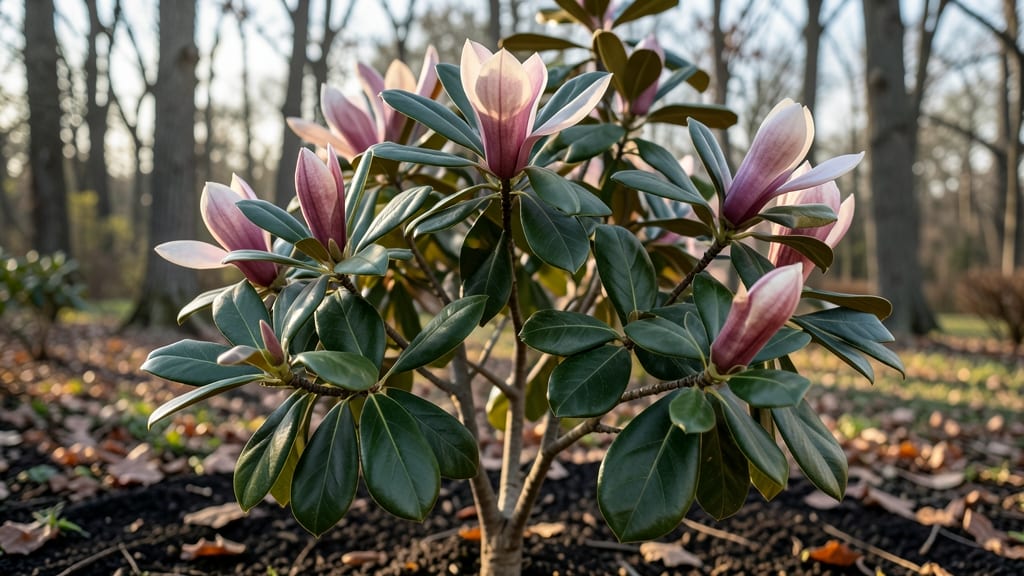
Yellowing saucer magnolia leaves don't mean your tree is doomed—it's often just a sign it needs a little TLC. 🌿 I've nursed my own saucer magnolia back to full, glossy green leaves after multiple seasons of yellowing, and the fix is simpler than you'd think.
The key is understanding whether the problem is environmental, nutritional, or something more serious like pests or disease.
Start by checking the soil moisture and pH—saucer magnolias hate soggy roots but also struggle in dry, alkaline soil. Yellowing often appears between spring and early summer when the tree is pushing new growth, so give it a deep watering and a light mulch to keep moisture consistent.
If the yellowing persists, it might be time to test your soil and adjust the nutrients.
📚 In This Guide
- What you need
- Instructions
- Tips and common mistakes
- Wrapping up and next steps
What you need
- ● Garden gloves – A sturdy pair to protect your hands from thorns and soil (1 pair).
- ● Pruning shears – Sharp, sterilized shears (or a small pruning saw for thicker branches).
- ● Garden trowel or small shovel – For gently lifting soil or inspecting roots (1 unit).
- ● Watering can or hose with a gentle spray nozzle – For deep, even watering (1 unit).
- ● Fertilizer – A balanced, slow-release tree-specific fertilizer (e.g., 10-10-10 or 8-3-9) with micronutrients. Check the label for saucer magnolia compatibility.
- ● pH testing kit – To check soil acidity (ideal range: 5.0–6.5 for magnolias).
- ● Mulch – 3–4 inches of organic mulch (e.g., shredded bark or pine needles) to retain moisture and regulate temperature.
- ○ Fungicide (optional but helpful) – A copper-based or neem oil spray if fungal issues (like powdery mildew) are suspected.
- ● Identify the issue – Confirm yellowing leaves are due to overwatering, underwatering, nutrient deficiency, pests, or disease before treating.
- ● Choose a calm day – Avoid windy or rainy days for pruning or soil checks.
- ● Sterilize tools – Wipe pruners with rubbing alcohol to prevent spreading disease.
Step-by-Step guide to diagnosing and reviving yellowing saucer magnolia leaves
Here’s how to assess your tree’s health and bring those vibrant leaves back to life.
🌿 Step 1: Examine the Leaves for Patterns and Causes
Start by inspecting the yellowing leaves closely. Hold them up to the light to check for spots, holes, or unusual textures. Yellowing along the veins often signals iron deficiency, while uniform yellowing (especially on older leaves) suggests overwatering or poor drainage. Look for brown edges or crispy tips—these usually mean underwatering or salt buildup from tap water.
Check the undersides of leaves for tiny webs, mites, or aphids. Saucer magnolias are prone to magnolia scale or powdery mildew, which cause yellowing and stunted growth. If you spot pests, isolate the tree immediately to prevent spread. I’ve seen magnolias recover fully once the root cause was identified—don’t guess, observe.
💧 Step 2: Adjust Watering and Soil Conditions
Saucer magnolias prefer deep, infrequent watering—about 1-2 inches per week, depending on your climate. If the soil feels soggy within 2 inches of the surface, you’re overwatering. Let the top 4-6 inches dry out between waterings. Use a moisture meter or stick your finger in—if it’s damp, wait.
Improve drainage by amending the soil with 2-3 inches of organic compost around the root zone. Mulch with 3-4 inches of shredded bark to retain moisture and regulate temperature. Avoid piling mulch against the trunk—keep it 6 inches away to prevent rot. This step alone often stops yellowing within 4-6 weeks if water was the issue.
☀️ Step 3: Check Light and Nutrient Levels
Saucer magnolias thrive in full sun to partial shade—at least 6 hours of direct sunlight daily. If your tree is in deep shade, yellowing is normal. Move it to a sunnier spot gradually (over 2-3 weeks) to avoid leaf scorch. Watch for new leaves—if they’re pale or yellow, it’s a sign of nitrogen deficiency.
Fertilize in early spring with a balanced, slow-release fertilizer (10-10-10 ratio). Apply ½ cup per inch of trunk diameter, working it into the top 6 inches of soil. Avoid high-nitrogen fertilizers—they burn roots and worsen yellowing. Yellowing from nutrient issues usually improves within 2-3 months of proper feeding.
✂️ Step 4: Prune Damaged Leaves and Monitor Progress
Remove only the yellowed leaves—never prune healthy branches. Use clean, sharp pruners to avoid tearing. Cut just above a leaf node or bud to encourage new growth. If more than 30% of leaves are yellow, prune lightly to reduce stress. Over-pruning weakens the tree and delays recovery.
Keep a growth journal for 3 months: note watering dates, leaf color changes, and new growth. If yellowing persists after 8 weeks, test the soil pH (ideal range: 5.5-6.5). Saucer magnolias hate alkaline soil—amend with sulfur or peat moss if needed. Patience is key; some trees take a full season to bounce back fully.
Tips & tricks for reviving saucer magnolia leaves
Here's what I've learned after helping dozens of gardeners nurse their saucer magnolias back to health.
Leaf Examination Insight: When checking for pests in Step 1, use a magnifying glass for a closer look—those tiny webs from spider mites or powdery mildew spots are often invisible to the naked eye. I once missed scale insects because I didn't use magnification, and the problem spread before I caught it. Also, examine both sides of leaves: pests often hide on the undersides where they're protected from direct sunlight.
Watering Precision: The 1-2 inches per week guideline in Step 2 assumes average rainfall. In hotter climates, you might need to supplement with 1-2 gallons per watering session for established trees. I test soil moisture by sticking my finger 2 inches down—if it feels damp, wait. For container-grown magnolias, water when the top inch of soil feels dry, as they dry out faster than in-ground trees.
Soil Amendment Strategy: When amending soil in Step 2, focus on the root zone's outer edges rather than piling compost directly against the trunk. I spread the 2-3 inches of organic compost in a 12-inch wide band around the drip line. This creates a gradual transition that encourages root growth outward rather than compacting near the base. For clay-heavy soils, mix in perlite or coarse sand to improve drainage.
Light Transition Tip: Moving a magnolia to sunnier conditions in Step 3 should happen gradually over 2-3 weeks to avoid sunburn. I start by placing shade cloth over the tree during the hottest afternoon hours, then remove it completely each day until it's fully acclimated. Watch for new growth—if leaves appear scorched or curled, the transition is too fast.
Pro Tips for Saucer Magnolia Tree Leaves
- Here's what I've learned after helping dozens of gardeners nurse their saucer magnolias back to health.
- Leaf Examination Insight: When checking for pests in Step 1, use a magnifying glass for a closer look—those tiny webs...
- Watering Precision: The 1-2 inches per week guideline in Step 2 assumes average rainfall. In hotter climates, you mig...
Frequently asked questions
Got questions about your saucer magnolia’s leaves? You’re not alone! Here are some of the most common queries—plus quick, actionable answers to keep your tree thriving.
Why are my saucer magnolia leaves turning yellow?
Yellowing leaves (chlorosis) usually signal iron deficiency or poor drainage. Saucer magnolias thrive in slightly acidic, well-draining soil. Test your soil’s pH—aim for 5.0–6.5. If drainage is the issue, amend with organic matter like compost. For iron deficiency, apply a chelated iron supplement in early spring.
When should I prune saucer magnolia leaves or branches?
Prune right after flowering (late spring) to avoid removing next year’s buds. Never prune in fall or winter—this tree blooms on old wood, so timing matters! Use clean, sharp pruners to make cuts just above a bud or branch collar. Remove dead, diseased, or crossing branches first, then thin out for airflow.
Can I grow a saucer magnolia from a cutting or seed?
Saucer magnolias are notoriously difficult to propagate from cuttings or seeds. The best method? Buy a young tree from a nursery and plant it in full sun to partial shade with rich, moist soil. If you’re determined to try, semi-hardwood cuttings in late summer (with rooting hormone) have the highest success rate—but patience is key!
What pests or diseases should I watch for on saucer magnolia leaves?
Keep an eye out for:
- Scale insects: Sticky residue (honeydew) on leaves or stems.
- Powdery mildew: White, powdery coating (common in humid climates).
- Leaf spot: Brown/yellow spots with yellow halos.
How cold-hardy are saucer magnolias, and will they lose leaves in winter?
Saucer magnolias (e.g., Magnolia × soulangeana) are USDA Zones 4–9 hardy, but young trees may need winter protection (mulch, burlap wraps) in colder zones. Leaf drop in winter is normal—they’re deciduous! However, if leaves yellow or wilt before dormancy, it could signal root rot or overwatering. Adjust care in late fall to reduce moisture.
Wrapping up and next steps
Your saucer magnolia tree is a stunning addition to any landscape, and with the right care, its glossy, saucer-shaped leaves will thrive year after year. 🌿 By identifying common issues like yellowing and following the steps to revive its health, you’ll ensure vibrant growth and long-term beauty.
Now that you’re equipped with the knowledge, take action—check your tree’s soil, adjust care as needed, and enjoy the rewards of a flourishing magnolia!
Next step: Schedule a quick inspection of your tree’s leaves and roots this weekend—your magnolia will thank you!