
Diseases
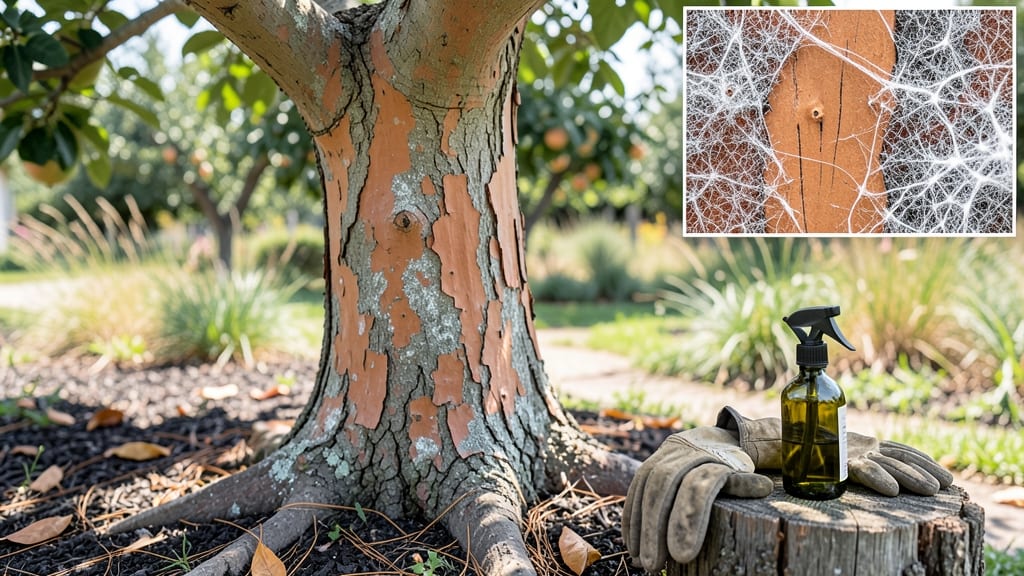
That white, powdery coating on your tree bark isn’t just unsightly—it’s powdery mildew, and it’s weakening your tree. 🌳 I’ve battled this stubborn fungus on my apple trees, and the copper spray + pruning combo saved them. The key is acting fast before it spreads to leaves or fruit.
This fungus thrives in shady, humid spots where airflow is poor—think dense foliage or bark crevices. Pruning opens up the canopy, while copper spray (organic or synthetic) disrupts the fungal growth.
Start with a 1% copper fungicide applied every 7-10 days until the mildew disappears. Don’t skip the pruning—it’s the best long-term fix.
By mid-summer, your tree should look clean and vigorous again, with new growth free of that chalky film. The copper spray also prevents future outbreaks, so you won’t be playing catch-up next season. Just watch for rain—reapply after heavy downpours to keep the protection strong.
Works for fruit trees, ornamentals, and even shrubs—just adjust the spray concentration based on the plant’s sensitivity. Here’s how to do it right without harming your tree.
Fungal Foes Behind Tree Bark
Powdery mildew isn’t just a pesky guest on your tree’s bark—it’s a fungal party crasher that thrives under the right conditions. Understanding why this white, powdery film appears is the first step to kicking it out for good. Let’s break down the science behind its sneaky invasion.
Trees love breathing, just like us! When branches grow too densely, air can’t circulate properly. Stagnant, humid air creates the perfect cozy spot for Erysiphe and Podosphaera spores—the fungi behind powdery mildew—to land, germinate, and spread like wildfire.
- Why it happens: Dense foliage traps moisture, raising humidity levels near the bark. The fungus’s spores float in the air, waiting for a damp surface to latch onto.
- Actionable fix: Thin out overgrown branches (especially in shaded or enclosed areas) to improve airflow. Aim for 20-30% less density in problem spots.
- Pro tip: 💡 Prune in late winter or early spring before mildew spores wake up for the season!
Powdery mildew isn’t picky—it’ll grow on any surface that stays damp for too long. Whether it’s rain, overhead watering, or even morning dew clinging to bark, excess moisture signals the fungus: “All you can eat buffet time!”
- Why it happens:
- Fungal spores need water to activate and infect. Even light dew can trigger germination.
- Wet bark (especially thin-barked trees like apple, pear, or lilac) provides the perfect nutrient-rich landing pad.
- Frequent rain or overhead irrigation keeps the bark damp longer, extending the fungus’s party.
- Actionable fix:
- Water at the base of the tree (not the leaves/bark) and early in the day so foliage dries quickly.
- Use drip irrigation or soaker hoses to avoid wetting bark.
- After rain, gently shake or brush off excess water from branches (wear gloves!).
- Pro tip: 🌡️ Mildew thrives between 60–80°F (15–27°C). If your area stays dry and hot, the fungus struggles to spread!
Powdery mildew isn’t a fan of extreme heat or freezing temps—but it loves a mild, inconsistent climate. When days warm up but nights stay cool and humid, the fungus gets double the fun.
- Why it happens:
- Cool nights (50–60°F / 10–15°C) slow leaf drying, keeping moisture trapped.
- Warm days (70–80°F / 21–27°C) speed up fungal growth.
- Low sunlight (shaded trees or early spring) weakens the tree’s defenses, making it an easier target.
- Actionable fix:
- Plant sun-loving trees (like oak, maple, or hawthorn) in open, sunny spots to reduce humidity.
- Use reflective mulch (like aluminum foil or white plastic) around the base to bounce light onto bark.
- In greenhouses or containers, improve ventilation with fans or open vents during humid days.
- Pro tip: ✨ Resistant tree varieties (e.g., ‘Blushing Star’ lilac or ‘Columnar’ apple) can outsmart mildew naturally!
A tree that’s starving, stressed, or sick is like a buffet sign for powdery mildew. Fungi sense weakness and move in for an easy meal.
- Why it happens:
- Poor soil (low nitrogen, phosphorus, or potassium) weakens bark and leaves, making them more susceptible to infection.
- Compacted or waterlogged soil drowns roots, reducing the tree’s ability to fight off pathogens.
- Recent pruning wounds or physical damage (like hail or pest bites) create entry points for spores.
- Actionable fix:
- Test your soil and amend with compost or organic fertilizer (like 10-10-10 or fish emulsion) in early spring.
- Avoid heavy mulch piles against the trunk—keep it 2–3 inches deep and 3–6 inches from the bark.
- Seal pruning cuts with pruning sealant or copper fungicide to prevent infection.
- Pro tip: 💪 Mulch with pine needles or wood chips—they’re slightly acidic and can inhibit fungal growth!
Now that you know the real culprits behind powdery mildew, you’re armed to starve out the fungus before it throws another party on your tree’s bark. Next up: how to evict it for good!
Quick Fixes for Fungal Foes
Powdery mildew on tree bark isn’t just unsightly—it can weaken your trees if left unchecked. The good news? With the right approach, you can reverse the damage and prevent future outbreaks using simple, effective methods.
Below, we’ll map common causes to targeted solutions, from organic remedies to pruning techniques, so you can tackle the problem head-on.
---
Cause: Dense foliage or tight spacing traps moisture, creating the perfect mildew breeding ground. Fix: - 🌿 Prune strategically – Thin out branches to improve airflow. Focus on removing crossing or rubbing branches first, then trim back any dense clusters. Aim for 20-30% reduction in leaf density if the tree is severely affected. - 💨 Space matters – If trees are planted too closely, consider transplanting or adding dwarf varieties if possible. - 🌞 Sunlight boost – Prune to allow more sunlight to reach the bark and inner branches. Mildew thrives in shade, so even small adjustments can make a difference.
---
Cause: Overwatering, poor drainage, or frequent rainfall keeps bark damp for extended periods. Fix: - ⏰ Adjust your watering schedule – Water deeply but less frequently (1-2 times per week, depending on climate). Avoid overhead watering—use a soaker hose or drip irrigation to keep foliage dry. - 🚰 Improve drainage – If your tree sits in a low spot, create a slight slope away from the trunk using soil or mulch. For container-grown trees, ensure pots have drainage holes. - ☔ Rain protection – If your area gets consistent heavy rain, consider covering young trees with a lightweight shade cloth during storms.
---
Cause: Trees under stress (from poor soil, pests, or disease) are more susceptible to fungal attacks. Fix: - 🌱 Feed your tree – Apply a balanced, slow-release fertilizer (like 10-10-10) in early spring to boost overall health. For organic options, use compost or worm castings around the root zone. - 💊 Copper fungicide boost – If mildew persists, a copper-based spray (like copper sulfate or copper fungicide) can stop the spread and strengthen the tree’s defenses. Reapply every 10-14 days until the issue clears. - 🛡️ Strengthen immunity – Neem oil (a natural fungicide) can be mixed with water and sprayed on affected areas to prevent reinfection.
---
Cause: Contaminated tools or mildew on neighboring plants can reinfect your tree. Fix: - 🔪 Sterilize tools – Always clean pruners with rubbing alcohol or bleach solution (1 part bleach to 9 parts water) before and after each use. - 🌿 Isolate infected trees – If mildew is spreading, remove heavily infected branches and dispose of them in the trash (not compost). Avoid burning, as spores can linger in smoke. - 🚫 Monitor nearby plants – Check roses, grapes, or other susceptible plants in your yard. Treat them preemptively with baking soda spray (1 tsp baking soda + 1 quart water + a drop of dish soap).
---
Once you’ve treated the current outbreak, proactive steps will keep your trees healthy: - 🌡️ Mulch correctly – Apply 2-4 inches of organic mulch (wood chips, straw) away from the trunk to retain moisture without suffocating the bark. - 🎯 Early detection – Inspect trees weekly for white powdery spots or yellowing leaves.
Catch it early, and treatment is easier. - ✨ Seasonal maintenance – - Spring: Prune and apply copper fungicide as a preventative. - Fall: Rake up fallen leaves (a mildew hotspot) and compost them separately. - 🌿 Choose resistant varieties – If replanting, opt for mildew-resistant tree species like serviceberry, oak, or hawthorn.
--- Final Thought: Powdery mildew may seem stubborn, but with consistent care, your trees can bounce back stronger. Start with pruning and airflow, then reinforce with copper or neem oil, and keep an eye on moisture levels.
Before you know it, your trees will be flourishing—mildew-free! 🌳💚
Frequently asked questions
Is powdery mildew harmful to my tree's health?
Yes, if left untreated, it can weaken your tree by blocking sunlight and clogging pores on the bark. Over time, this reduces photosynthesis and makes the tree more vulnerable to pests or other diseases. Severe cases may even cause branch dieback or fruit rot in fruit-bearing trees.
Can I use household items like baking soda to treat powdery mildew?
You can try a baking soda spray (1 teaspoon baking soda + 1 quart water + a drop of dish soap), but it’s less effective on bark than on leaves. For better results, mix it with a 1% copper fungicide or use neem oil. Always test on a small area first to avoid harming the tree.
How often should I apply copper fungicide?
Apply every 7-10 days during active mildew season (spring to early summer) until the white coating disappears. Stop when temperatures exceed 85°F (29°C), as copper can burn foliage in extreme heat. Always apply in the early morning or late afternoon.
Will pruning alone eliminate powdery mildew?
Pruning improves airflow and removes infected branches, but it won’t fully eliminate mildew on its own. Combine it with fungicide treatments for best results. Focus on thinning dense areas and removing crossing branches to maximize airflow and sunlight exposure.
Can powdery mildew spread to other plants in my garden?
The fungal spores can travel via wind, water, or tools to infect nearby plants like roses, grapes, or shrubs. Isolate affected trees, sterilize pruners with rubbing alcohol, and monitor susceptible plants for early signs of infection.