
Size
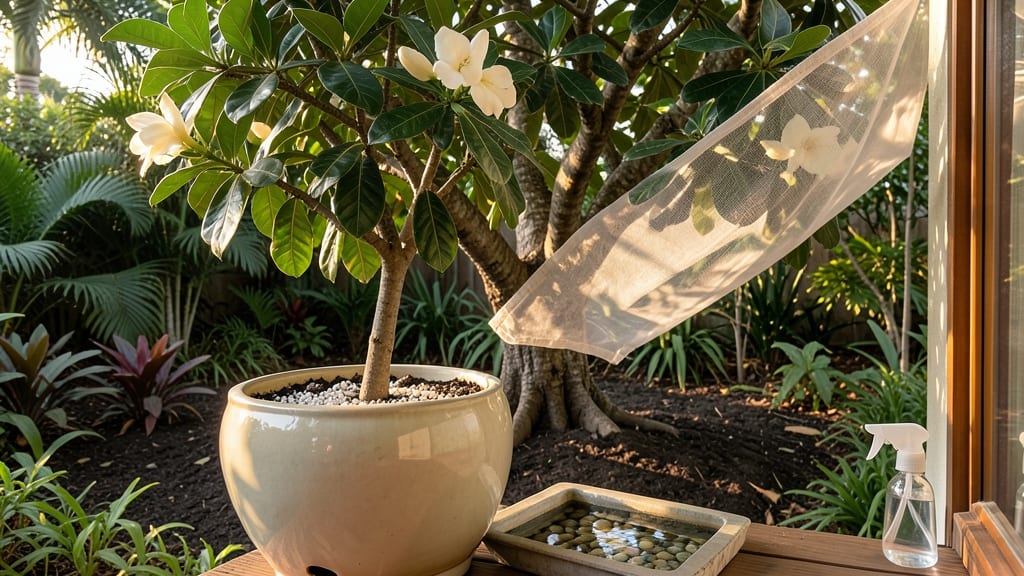
Growing this unique soursop guanabana tree at home means tropical flavors in your backyard—if you're willing to wait. 🌿 These slow-growing giants reward patience with fragrant, custard-like fruit, but they demand heat, humidity, and just the right soil mix to thrive.
The key is mimicking their natural habitat: warm climates (zones 10-11), rich, well-draining soil, and protection from cold snaps. Even in containers, they need 5-gallon pots at first and full sun exposure daily. Without these, growth stalls or the tree simply refuses to fruit.
Once established, you'll see glossy green leaves and, after 3-5 years, those prized fruits. The smell alone—like a mix of pineapple and strawberry—makes the wait worthwhile. Just be ready to move it indoors if temperatures dip below 50°F.
Perfect for subtropical gardeners, container enthusiasts, or anyone dreaming of homegrown tropical treats. Here's how to get started without common pitfalls.
Understanding Common Growth Barriers
Growing a soursop (Annona muricata) tree at home can be incredibly rewarding, but like many tropical plants, it has specific needs that—when overlooked—can lead to stunted growth, poor fruit production, or even plant death.
Below, we break down the key reasons why your guanabana tree might struggle, along with the science behind each challenge. Armed with this knowledge, you’ll be better equipped to troubleshoot and nurture a thriving tree.
---
Soursop trees are native to warm, humid climates (think tropical rainforests) and thrive in USDA zones 10–11.
If your tree is exposed to temperatures below 50°F (10°C), it can suffer from cold shock, leading to: - Leaf drop (a survival mechanism to conserve energy). - Stunted new growth (buds fail to open or turn brown). - Root damage (cold weakens roots, reducing nutrient uptake).
Why it happens: The tree’s cellular membranes contain unsaturated fats that remain fluid in warmth but solidify in cold, disrupting metabolic processes. Additionally, ethylene gas (a plant stress hormone) floods the system, accelerating leaf senescence (aging).
Actionable fix: - Move potted trees indoors during frost warnings or use a greenhouse/cloche. - Mulch heavily (4–6 inches of straw or wood chips) to insulate roots. - Avoid late-season fertilizing, as new growth is more vulnerable to cold.
---
Soursop trees hate soggy roots but also wilts under drought stress. Both extremes trigger osmotic stress, where the plant can’t balance water uptake and loss.
Overwatering causes: - Root rot (Phytophthora or Pythium fungi thrive in waterlogged soil). - Yellowing leaves (chlorosis from oxygen deprivation in roots). - Dropped buds/fruit (the tree prioritizes survival over reproduction).
Underwatering causes: - Curling, crispy leaves (plasma membranes rupture from dehydration). - Premature fruit drop (cells in developing fruit collapse). - Weak stems (lignin production slows, making branches brittle).
Why it happens: The tree’s aquaporins (water-channel proteins) malfunction under extreme moisture conditions. In drought, abscisic acid (ABA) floods the system, triggering stomatal closure—but if severe, the plant can’t recover.
Actionable fix: - Water deeply but infrequently (1–2 inches per week; more in heat). - Use well-draining soil (sandy loam + perlite) and elevate pots to prevent pooling. - Check soil moisture with a finger—water when the top 2 inches are dry.
---
Soursop trees love bright, indirect light but burn in harsh afternoon sun and stretch weakly in shade.
Too much sun causes: - Sunburnt leaves (white/yellow patches from UV damage to chlorophyll). - Leaf scorch (edges crisp and brown due to transpirational stress). - Reduced flowering (excess light triggers ethylene overproduction, which inhibits blooms).
Too little light causes: - Leggy growth (stems elongate to reach light, weakening structure). - Pale, sparse leaves (chlorophyll can’t synthesize properly). - No fruit set (low energy for reproductive processes).
Why it happens: Excess light generates reactive oxygen species (ROS), which damage cell membranes. In shade, phytochrome sensors detect low red light, signaling the plant to grow taller (a survival tactic) but at the cost of vigor.
Actionable fix: - Provide morning sun + afternoon shade (use sheer curtains or lattice). - Rotate pots occasionally for even growth. - Supplement with a grow light (12–14 hours/day) if indoors.
---
Soursop trees are heavy feeders but sensitive to salt buildup from over-fertilizing.
Over-fertilizing causes: - Leaf tip burn (excess salts draw water out of cells via osmosis). - Root burn (ammonium toxicity disrupts nitrogen metabolism). - Stunted growth (the tree “locks down” to avoid further damage).
Under-fertilizing causes: - Yellowing between veins (iron/chlorosis from nitrogen/phosphorus deficiency). - Purple stems (phosphorus deficiency). - Small, misshapen fruit (calcium/magnesium shortages).
Why it happens: Fertilizer salts lower soil osmotic potential, making it harder for roots to absorb water. Over time, micronutrient imbalances (like high nitrogen but low potassium) throw off enzyme function, stalling growth.
Actionable fix: - Use a balanced fertilizer (6-6-6 or 8-3-9) diluted to half-strength. - Fertilize only in growing season (spring–fall). - Flush soil annually with water to prevent salt buildup. - Test soil pH (ideal: 5.5–6.5); amend with lime if too acidic.
--- Soursop trees are susceptible to pests (like mealybugs, scale, and fruit flies) and fungal diseases (e.g., anthracnose, powdery mildew).
Common culprits: | Pest/Disease | Symptoms | Why It Happens | |------------------------|---------------------------------------|------------------------------------------------------------------------------------| | Mealybugs | Cottony white clusters, sticky residue (honeydew) | They pierce cells to suck sap, injecting toxins that stunt growth. | | Anthracnose | Dark sunken spots on leaves/fruit | Fungal spores thrive in humid conditions, breaking down cell walls. | | Root-Knot Nematodes| Wilting, yellowing, poor growth | Microscopic worms feed on roots, disrupting water/nutrient transport. |
Why it happens: Pests disrupt plant hormones (like auxin), causing abnormal growth. Diseases exploit weakened defenses from stress (e.g., overwatering, poor airflow).
Actionable fix: - Inspect leaves weekly (flip them over—pests hide on undersides). - Spray neem oil (natural pesticide/fungicide; reapply every 7–10 days). - Prune for airflow (remove crowded branches to reduce humidity). - Use beneficial nematodes (Steinernema) for soil-dwelling pests.
Practical fixes for soursop tree challenges
Growing a soursop (Annona muricata) tree at home is a rewarding but sometimes tricky endeavor. If your tree isn’t thriving, don’t worry—most issues have simple, effective solutions. Below, we’ll tackle common problems with clear fixes and prevention tips to keep your guanabana tree lush and fruitful.
---
Cause: Insufficient sunlight, improper soil, or root issues. Fix: - 🔥 Boost Sunlight Exposure – Move your tree to a spot with 6+ hours of direct sunlight daily. If indoors, use a grow light for 12–14 hours. - 🍳 Upgrade the Soil – Soursop trees love well-draining, slightly acidic soil (pH 5.5–6.5). Mix in compost or coconut coir for nutrients. - 👨🍳 Check for Root Bound – If roots are circling the pot, repot into a larger container (1–2 inches bigger) with fresh soil.
Prevention Tip: ✨ Fertilize every 2–3 months with a balanced citrus or tropical plant fertilizer to encourage steady growth.
---
Cause: Overwatering, lack of magnesium, or iron deficiency. Fix: - 🌡️ Adjust Watering – Let the top 2 inches of soil dry out between waterings. Drainage holes are a must! - 💡 Apply Epsom Salt – For magnesium deficiency, dissolve 1 tbsp of Epsom salt in 1 gallon of water and spray leaves monthly. - 🍎 Iron Supplement – If leaves are pale, use a chelated iron fertilizer (follow package instructions).
Prevention Tip: 🎯 Water at the base (not leaves) to prevent fungal issues and nutrient runoff.
---
Cause: Overly wet conditions or pests like mealybugs/spider mites. Fix: - 🔪 Prune Infected Areas – Remove yellowed or spotted leaves immediately to stop spread. - 🌿 Neem Oil Spray – Mix 1 tbsp neem oil + 1 tsp mild soap in 1 quart of water. Spray every 7–10 days until pests vanish. - 🌡️ Improve Airflow – Space trees 3–4 feet apart (or trim nearby foliage) to reduce humidity buildup.
Prevention Tip: ⚡ Inspect leaves weekly—catch pests early before they multiply!
---
Cause: Immature tree, lack of pollination, or nutrient imbalance. Fix: - 🍳 Hand-Pollinate Flowers – Use a soft brush to transfer pollen between flowers (soursop trees rely on insects but can self-pollinate). - 💪 Feed with Potassium – Switch to a high-potassium fertilizer (like banana peel tea) to encourage fruiting. - 🌡️ Wait It Out – Soursop trees take 3–5 years to bear fruit. Be patient!
Prevention Tip: 🌱 Prune lightly in early spring to redirect energy toward flowering.
---
Cause: Drafts, AC vents, or frost exposure. Fix: - 🏡 Move Indoors – Keep trees above 50°F (10°C). Use a heat mat if needed. - ☀️ Use Row Covers – In cold climates, drape frost cloth around the tree at night. - 🌿 Mulch the Base – Add 2–3 inches of mulch to insulate roots.
Prevention Tip: ❄️ Avoid placing near windows/doors—temperature swings stress the tree.
--- Final Pro Tip: 🌟 Monitor your tree’s progress with a growth journal—note watering, sunlight, and fertilizer changes to refine your approach!
With these fixes, your soursop tree will thrive, flower, and eventually reward you with sweet, creamy guanabana fruit—worth every effort! 🍈✨
Frequently asked questions
Can I grow a soursop tree in a container?
Start with a 5-gallon pot for young trees, using well-draining soil mixed with coconut coir. As it grows, upgrade to 10-15 gallon containers—just ensure they have drainage holes. Container-grown trees need more frequent watering and may require winter protection indoors if temperatures drop below 50°F.
How long does it take for a soursop tree to bear fruit?
Patience is key! With ideal conditions, soursop trees typically take 3-5 years to produce fruit. Young trees focus on leaf and root growth first. Provide consistent care—full sun, proper watering, and balanced fertilizer—to encourage faster maturation. The first fruits may be small, but they’ll improve with age.
What's the best fertilizer for soursop trees?
Use a balanced citrus or tropical plant fertilizer (6-6-6 or 8-3-9 ratio) diluted to half-strength. Apply every 2-3 months during growing season (spring-fall). For fruiting trees, switch to a high-potassium fertilizer in late summer. Always water thoroughly after fertilizing to prevent root burn.
Why are my soursop leaves turning yellow?
Yellowing leaves usually indicate overwatering or nutrient deficiency. Check soil moisture—water only when the top 2 inches are dry. For yellowing between veins, it’s likely iron deficiency (use chelated iron). If edges are brown, you may be over-fertilizing. Adjust care and monitor for improvement.
Can I grow soursop from seed?
Yes, but expect slower growth and less predictable fruit quality. Extract seeds from fresh fruit, rinse them, and plant 1/4 inch deep in moist soil. Germination takes 2-4 weeks in warm conditions. For faster results, consider grafting or buying a young tree from a tropical nursery.