
Diseases
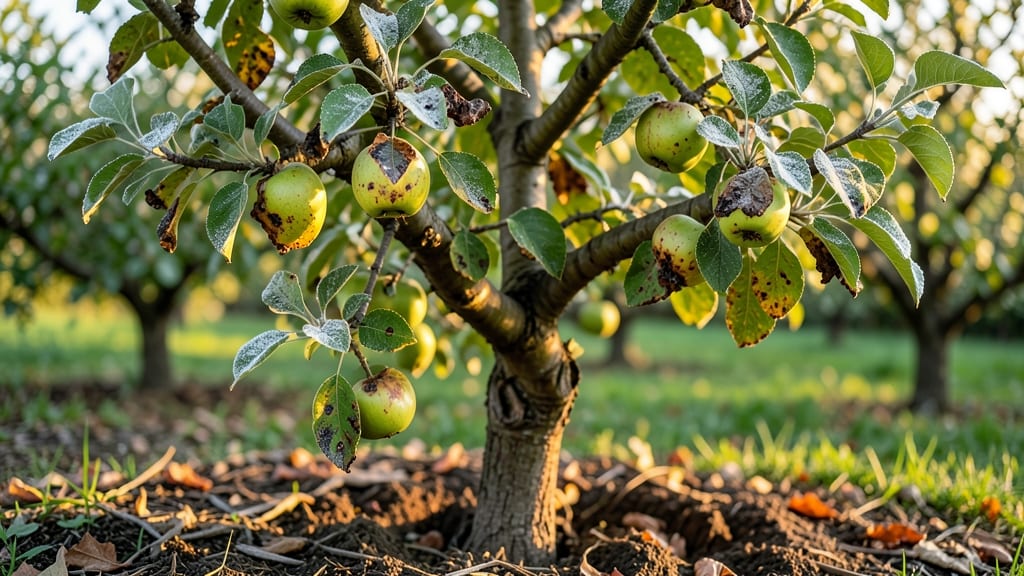
The first sign of trouble on your apple tree might look like tiny black specks or oily black streaks—those are the early warnings of apple tree diseases photos reveal. 🌿 I’ve spent years studying these fungal blights up close, and the difference between catching them early or losing a harvest comes down to knowing what to look for before the leaves start dropping.
Apple scab shows up as olive-green spots with fuzzy edges on leaves, while fire blight creates sheen-covered cankers that ooze sap. Powdery mildew coats branches in a chalky white film, and cedar apple rust turns leaves into patchwork of orange pustules.
Each disease has a distinct visual signature—once you recognize them, you can act before they spread. The good news? Organic sprays like neem oil or copper fungicide work wonders when applied at the right time. Pruning infected branches in late winter also cuts off the disease’s path.
With these visual clues and quick fixes, you’ll keep your tree healthy and productive for years. This guide pairs real apple tree diseases photos with step-by-step solutions, so you’ll never guess what’s wrong again. Let’s get your orchard back in fighting shape!
Root Causes Behind Tree Troubles
Apple trees, like any living thing, are vulnerable to diseases—but understanding why these issues arise is half the battle. Fungal infections, bacterial rot, and viral damage don’t strike randomly; they exploit weaknesses in your tree’s defenses.
Let’s break down the science behind the most common apple tree diseases, so you can spot the warning signs before they spiral out of control.
Fungi thrive in moist, warm conditions, making them the #1 culprit behind apple tree diseases. Here’s how they gain the upper hand: - 🍄 Overhead Irrigation & Poor AirflowFungal spores—like those causing apple scab or powdery mildew—latch onto wet leaves and fruit.
If your tree sits in a low-lying area or gets drenched from sprinklers (instead of drip irrigation), spores splash onto surfaces, germinate, and infect tissues. Why it matters: Fungi need free moisture for 6+ hours to infect; overhead watering creates the perfect breeding ground.
- 🌡️ Warm, Humid WeatherMost fungal diseases peak in 50–75°F (10–24°C) temperatures with high humidity. For example, venturia inaequalis (apple scab) spores germinate best in cool, wet springs. Actionable fix: Monitor your local USDA Plant Hardiness Zone and fungal disease forecasts to time preventative sprays.
- 🍎 Weakened Tree DefensesStressed trees—due to nutrient deficiencies, root damage, or poor pruning—can’t fight off infections. Fungi like Botryosphaeria dieback target trees already struggling from drought or compacted soil. Pro tip: Conduct a soil test every 2–3 years to check pH and nutrient levels (ideal: pH 6.0–7.0).
Bacteria spread through wounds, tools, or even insects, causing fire blight or bacterial spot. Here’s how they exploit your tree: - 🔪 Open Wounds from Pruning or InjuryBacteria like Erwinia amylovora (fire blight) enter through cuts, broken branches, or hail damage. Why it’s dangerous: These pathogens can kill a branch in days and spread to blossoms, leading to entire tree collapse. Solution: Sterilize pruning tools with 70% isopropyl alcohol between cuts.
- 🐝 Pollinators & Rain SplatterBees and rain can transfer bacterial cells from infected blossoms to healthy ones. Bacterial spot thrives in this way, creating oily, necrotic lesions on leaves. Prevent it: Remove all infected fruit and debris post-harvest to starve the bacteria.
Viruses (like apple mosaic virus) rely on vectors—such as aphids or grafting—to spread. They’re nearly impossible to cure, so prevention is key. - 🐜 Insect Vectors (Aphids, Leafhoppers)These pests feed on infected plants, then transmit viruses to healthy ones. Example: Apple chlorotic leaf spot spreads via aphids, causing yellow mottling and stunted growth. Control them: Use neem oil or horticultural oil sprays during early spring to deter insects.
- 🌿 Contaminated Grafting MaterialIf you propagate apple trees from nursery stock, viruses can hide in the rootstock. Avoid this: Purchase certified disease-free grafts from reputable suppliers.
Sometimes, diseases flare up because of indirect factors: - 💧 Overwatering or Poor DrainageRoot rot (from Phytophthora fungi) thrives in waterlogged soil. Fix it: Amend clay soil with compost or install French drains if your tree sits in a depression.
- ❄️ Winter Injury & Late FrostsFreeze-thaw cycles damage bark, creating entry points for silver leaf disease (a fungal infection). Protect your tree: Wrap the trunk with tree guard in late fall and avoid pruning in late winter.
Key Takeaway: Most apple tree diseases are preventable with proactive care. By addressing moisture, airflow, nutrient balance, and pest control, you can starve out pathogens before they take hold. Next, learn how to identify these diseases visually with our photo guide!
Fixing Apple Tree Diseases Step-by-Step
Once you’ve identified the issue plaguing your apple tree—whether it’s black rot, apple scab, powdery mildew, or fire blight—taking swift action can save your harvest and your tree. Below are targeted solutions for each common disease, along with preventive measures to keep your orchard healthy long-term.
---
#### 🔥 Remove Infected Leaves & Fruit Immediately Fungal spores spread like wildfire, so prune away any leaves, fruits, or branches showing signs of scab, mildew, or rot.
Drop them in a sealed trash bag (not compost)—do not leave them near the tree! - Pro Tip: 💡 Use sterilized pruners (wipe with rubbing alcohol) to avoid cross-contamination.
#### 🍳 Apply Fungicides at the Right Time Prevention is key!
Use copper-based fungicides (like copper sulfate) or organic options (neem oil, sulfur sprays) before symptoms appear. - Best timing: Apply in early spring (before buds swell) and after rain (fungi thrive in wet conditions). - For severe cases: Rotate between fungicides (e.g., myclobutanil for scab, potassium bicarbonate for mildew).
#### 🌡️ Improve Airflow & Reduce Moisture Fungi love damp, crowded spaces. Thin out branches to allow sunlight and airflow, and water trees at the base (not overhead) to keep foliage dry.
---
Fire blight is aggressive—once it strikes, act fast!
#### ⏰ Prune Infected Branches (But Do It Right!) - Cut 6–12 inches below the blackened, oozing cankers. - Burn or bag infected wood—do not compost! - Sterilize tools between cuts to prevent spreading bacteria.
#### 👨🍳 Use Antibacterial Sprays - Copper sprays (like Bordeaux mixture) can help prevent bacterial spread. - Streptomycin (a bacterial antibiotic) is effective early in the season (before bloom).
#### 🌿 Strengthen Tree Resistance - Reduce stress by ensuring proper watering and fertilization. - Plant resistant varieties (like ‘Liberty’ or ‘Enterprise’) if fire blight is recurrent.
---
Even after treatment, stop diseases before they start with these must-do strategies:
| Prevention Step | How to Do It | Best Time | |---------------------------|------------------------------------------|-----------------------------| | Clean up debris | Remove fallen leaves/fruit from last year | Fall & Spring | | Space trees properly | Keep 8–12 feet between trees | Planting Time | | Mulch correctly | Use 3–4 inches of organic mulch (keep away from trunk) | Early Spring | | Monitor weather | Avoid overhead watering before rain | Growing Season | | Test soil pH | Aim for 6.0–6.5 (fungi thrive in acid soil) | Fall or Early Spring |
--- - Compost tea (rich in beneficial microbes) can strengthen roots and fight pathogens. - Baking soda spray (1 tbsp baking soda + 1 tsp oil + 1 gallon water) helps prevent mildew (test on a small leaf first!). - Beneficial nematodes (like Steinernema carpocapsae) can control soil-borne fungi.
--- By acting fast and staying proactive, you can save your apple tree and enjoy a bountiful, disease-free harvest! 🍏🌟
Frequently asked questions about apple tree diseases
How can I tell the difference between apple scab and powdery mildew just by looking?
Apple scab shows up as olive-green, velvety spots on leaves that turn black and crusty. Powdery mildew, on the other hand, appears as a white, powdery coating on both leaves and fruit. The key difference is texture—scab is wet-looking while mildew feels dry and chalky.
Can I still harvest fruit from a tree with fire blight?
No, you should remove all infected fruit immediately. Fire blight spreads rapidly through blossoms and fruit, and eating contaminated apples can cause foodborne illness. Prune infected branches 6-12 inches below the visible cankers and dispose of them properly.
What's the best time of year to treat apple trees for diseases?
Start with preventative sprays in early spring (before buds swell) and apply again after heavy rains. Fungal diseases like apple scab thrive in wet conditions, so timing your treatments right is crucial. For organic options, neem oil works well when applied during dormant season.
Will my apple tree recover if I treat diseases late in the season?
Some recovery is possible, but late treatment won't restore full health. Fungal infections like scab and mildew weaken trees over time. For next year, focus on removing all infected debris, improving airflow, and applying copper fungicides before symptoms appear. Prevention is always better than cure!
Are there any apple tree varieties that naturally resist diseases?
Yes! Disease-resistant varieties like 'Liberty' and 'Enterprise' are bred to fight common issues. These varieties often require fewer chemical treatments while still producing high-quality fruit. Check with local nurseries for varieties suited to your climate zone.