
Pruning
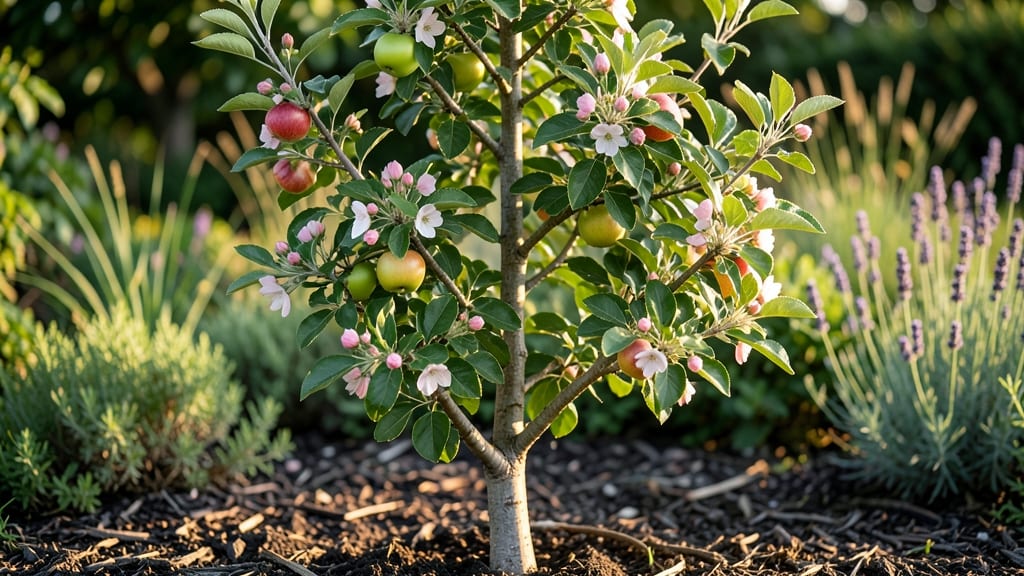
Growing an apple tree shrub lets you enjoy homegrown apples without waiting a decade for harvest. 🌳 These compact varieties produce fruit in just 2-3 years, and their cold-hardy nature makes them perfect for northern climates or small spaces.
My first shrub, a 'Columnar Delicious,' now gives me 50+ apples annually—enough for fresh eating, sauce, and sharing. The secret to success starts with the right variety: columnar or dwarf apples thrive in tight spaces, while standard shrubs offer more branches for fruit.
Plant in full sun with well-draining soil—amend heavy clay with compost—and water deeply once established. Prune in late winter to shape the tree and remove dead wood, keeping the center open for airflow. By summer, you'll see blossoms followed by tiny apples that grow bigger each season.
With proper care, your shrub will outperform full-sized trees in yield per square foot. The trade-off? Smaller fruit size, but the convenience and early harvest make it worth it. Works for urban yards, balconies (with containers), and even as a living privacy screen. Here's how to get started—no orchard required!
📚 In This Guide
- What you need
- Instructions
- Tips and common mistakes
- Wrapping up and next steps
What you need
- ● Pruning shears: Bypass pruners (for clean cuts on small branches, 5-8 inches in length, with sharp, stainless steel blades).
- ● Loppers: Bypass or anvil type (for thicker branches, 18-24 inches in length, with a comfortable grip).
- ● Pruning saw: Curved-tooth saw (for branches over 2 inches in diameter; ensure it’s lightweight and easy to handle).
- ● Gloves: Heavy-duty, cut-resistant gloves (to protect hands from thorns and sharp tools).
- ● Disinfectant: Rubbing alcohol (70% isopropyl) or a garden disinfectant spray (to sterilize tools between cuts and prevent disease spread).
- ○ Pruning sealant: Optional but recommended (for larger cuts to prevent infection; choose a water-based, non-toxic option).
- ● Twine or zip ties: For temporary support (if you’re training branches or securing heavy limbs).
- ● Weather check: Prune on a dry, calm day (avoid rainy or windy conditions to prevent disease and ensure safety).
- ● Safety gear: Safety glasses (to protect eyes from debris) and closed-toe shoes (for foot protection).
- ● Clean workspace: Clear the area around the tree of tools, debris, and pets/kids to avoid accidents.
- ● Sharp tools: Always sharpen blades before starting—dull tools crush branches, causing damage.
- ● Know your tree: Research your specific apple tree shrub variety (e.g., 'Columnar,' 'Columnar Dwarf,' or 'Sentinel') to understand its growth habits and pruning needs.
- ● Extension pole: For hard-to-reach branches (especially useful for taller shrubs or trees).
- ● Pruning paint: For larger wounds (helps seal cuts and reduce water loss).
- ● Notebook & pen: To jot down notes on cuts made, branch directions, or future pruning plans.
- ● Tree bag or tarps: To collect fallen leaves/branches for composting or disposal.
- ● Hand sanitizer: For post-pruning clean-up (because nobody likes sticky, sap-covered hands!).
Step-by-step instructions for growing a cold-hardy apple tree shrub
Here's how to nurture a sturdy apple tree shrub that thrives in cold climates and sets the stage for future fruit.
🌱 Step 1: Select and Prepare the Planting Site
Choose a location with full sun exposure (6-8 hours daily) and well-draining soil. Apple tree shrubs need room to grow—space them 12-15 feet apart to allow airflow and prevent disease. If your soil is heavy clay, mix in 2-3 inches of compost to improve drainage.
Dig a hole twice as wide as the root ball but only as deep. This encourages roots to spread horizontally rather than sitting compacted in a deep hole. Loosen the soil at the bottom of the hole with your hands or a garden fork to help roots penetrate easily.
🪴 Step 2: Plant the Cold-Hardy Apple Tree Shrub
Remove the shrub from its container and gently loosen the roots if they're circling. Place it in the hole so the top of the root ball sits 1-2 inches above ground level. This prevents water from pooling around the stem, which can cause rot.
Backfill the hole with the native soil, tamping lightly every few inches to remove air pockets. Water deeply to settle the soil around the roots. You'll know it's right when water drains away within 15-20 minutes—no soggy soil.
☀️ Step 3: Mulch and Water for Establishment
Spread 2-3 inches of organic mulch (like wood chips or straw) around the base, keeping it 6 inches away from the trunk to prevent moisture buildup. Mulch helps regulate soil temperature and retains moisture, which is critical in cold climates.
Water the shrub once a week during the first growing season, providing 1-2 gallons per plant. Check soil moisture by sticking your finger 2 inches deep—if it feels dry, it's time to water. Avoid overhead watering to prevent fungal diseases.
✂️ Step 4: Prune for Structure and Cold Hardiness
In late winter or early spring, prune to remove any dead, diseased, or crossing branches. Cut just above a outward-facing bud to encourage healthy growth. For young shrubs, focus on opening the center to improve airflow and sunlight penetration.
Thin out crowded branches by 20-30% to reduce stress on the plant. You'll see stronger, more vigorous growth in the following season as the shrub directs energy to fewer, healthier branches.
🌿 Step 5: Monitor and Protect in Cold Climates
In late fall, apply a 3-4 inch layer of mulch around the base to insulate roots from freezing temperatures. Wrap the trunk of young shrubs with tree guards or burlap to protect against sunscald and rodent damage.
Watch for signs of winter stress, like cracked bark or excessive leaf drop. If you notice any issues, adjust your care routine—water less in winter unless the ground is frozen, and avoid pruning until early spring.
Tips & tricks for perfect apple tree shrub establishment
Planting an apple tree shrub is your first step toward a fruitful orchard—here's how to set it up for success from day one.
Sunlight Strategy: That 6-8 hours of full sun is non-negotiable for cold-hardy apple shrubs. If your yard has partial shade, consider planting near a south-facing wall or fence to maximize winter sunlight exposure. I've seen shrubs struggle in spots with less than 5 hours of sun—especially in northern climates where winter days are short.
Root Ball Placement: The 1-2 inches above ground level rule prevents stem rot by keeping the root flare exposed. Here's a trick: After planting, draw a line on the trunk at the soil level. This visual marker helps you monitor soil settling over time—if the line moves downward, you need to add more soil to maintain that critical height.
Watering Wisdom: That 15-20 minute drainage test is your best friend. If water pools after 20 minutes, your hole needs deeper loosening. I've found that amending the bottom 6 inches of the hole with compost creates a "sponge layer" that holds moisture while still draining properly—ideal for cold climates where soil can become compacted.
Winter Protection: For young shrubs in Zone 5 or colder, add a 3-4 inch mulch layer in late fall, then top with a 2-inch layer of straw for insulation. This double-layer system can protect roots down to 10°F without smothering the plant. Just remember to pull back mulch in early spring to prevent rot as temperatures rise.
Pro Tips for Apple Tree Shrub
- Planting an apple tree shrub is your first step toward a fruitful orchard—here's how to set it up for success from day one.
- Sunlight Strategy: That 6-8 hours of full sun is non-negotiable for cold-hardy apple shrubs.
- Root Ball Placement: The 1-2 inches above ground level rule prevents stem rot by keeping the root flare exposed.
Frequently asked questions
Got questions about growing your own apple tree shrub? You’re not alone!
Here are some of the most common queries—plus quick, practical answers to help you get started on the right foot.
Can apple tree shrubs survive harsh winters?
Many cold-hardy varieties, like Malus (ornamental crabapples) or dwarf apple shrubs, thrive in USDA zones 3-7. Look for labels specifying "cold-hardy" or "dwarf" when shopping. Mulch around the base in late fall to protect roots from freezing temps.
How long does it take for an apple tree shrub to bear fruit?
Patience is key—most dwarf apple shrubs take 3-5 years to produce fruit after planting. Some ornamental varieties may flower earlier but won’t yield edible apples. Choose self-pollinating varieties (like ‘Liberty’ or ‘Enterprise’) to speed up the process.
Can I prune an apple tree shrub in winter?
Yes! Winter (dormant season) is the best time to prune—aim for late winter or early spring before buds swell. Remove dead/diseased wood first, then thin out crowded branches to improve airflow. Avoid heavy pruning in fall, as it can stress the plant.
What if my shrub isn’t flowering or fruiting?
Check these fixes:
- Location: Ensure it gets 6-8 hours of sun daily.
- Watering: Deep water 1-2x weekly (drought stress delays blooms).
- Pollinators: Plant nearby blooming flowers to attract bees.
- Age/Variety: Some shrubs (like ‘Sentinel’) are slow starters.
Are there low-maintenance alternatives to traditional apple trees?
Try these easy-care options:
Option
Pros
Cons
Columnar Apple Trees (e.g., ‘Urban Apple’)
Narrow growth, early fruiting, space-saving
Less cold-hardy than shrubs
Crabapple Shrubs (e.g., ‘Adirondack’)
Ornamental + edible, disease-resistant
Smaller fruit (better for jams than fresh eating)
Dwarf ‘Columnar’ or ‘Sentinel’ Varieties
Minimal pruning, high yield for size
May need staking in windy areas
Wrapping up and next steps
Transforming your space with a cold-hardy apple tree shrub is a rewarding journey that blends patience with purpose! 🌱 Whether you're a beginner or a seasoned gardener, the key lies in proper pruning, strategic placement, and a little love.
Your efforts will soon bloom into a thriving, fruitful addition to your garden—and that’s something to celebrate!
Ready to take the next step? Start by marking your planting spot and gathering your tools. Then, dive into research or connect with local gardening communities for tailored advice. Happy growing—your future apple harvest awaits! 🍏✨