
Diseases
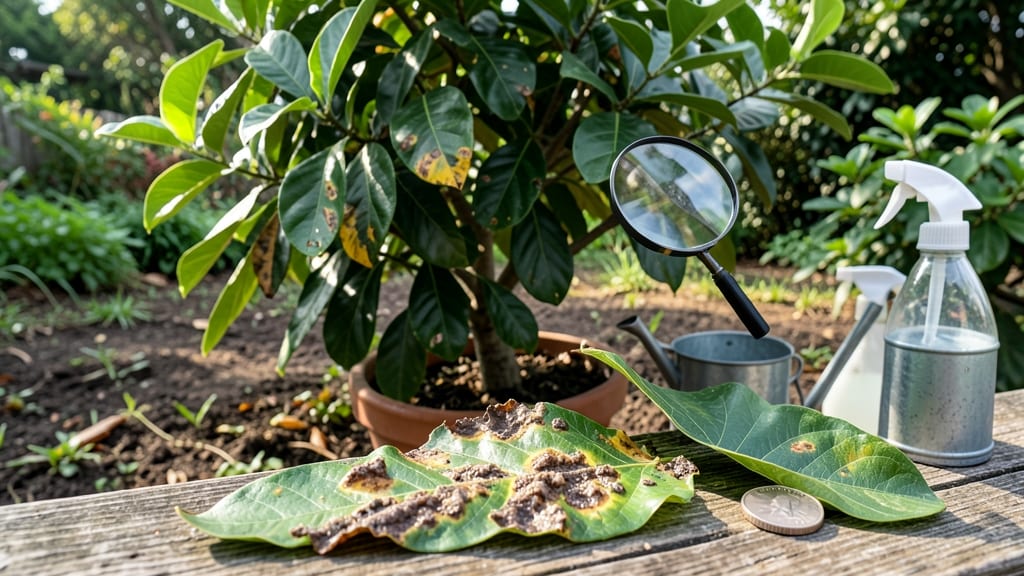
Brown spots on your avocado tree 🥑 leaves could signal a fungal infection or a nutrient deficiency—and the fix depends on what’s causing them.
Discovering those telltale marks can feel alarming, especially when your tree is thriving one day and struggling the next. The good news? Most issues are fixable with the right steps, whether it’s adjusting your watering routine or applying a targeted treatment.
Below, I break down how to tell if your avocado tree’s brown spots are due to fungal diseases (like anthracnose) or nutrient deficiencies (such as iron or magnesium), along with 5-step solutions to restore its health.
You’ll also learn how to prevent future problems so your tree stays lush and productive for years to come.
How to identify fungal vs nutrient deficiency spots on avocado leaves
When you spot brown spots on avocado leaves, your first instinct might be panic—but don’t worry! These spots can stem from fungal infections like anthracnose or nutrient deficiencies such as iron or magnesium. The key to fixing the issue lies in accurate identification.
Fungal spots often appear as dark, irregular patches with possible yellow halos, while nutrient deficiencies show yellowing between veins or brown edges. Let’s break down how to tell them apart so you can treat your tree effectively.
Start by examining the shape and pattern of the spots. Fungal spots tend to be ragged or circular, sometimes with a white or gray fuzzy texture on the underside of leaves. Nutrient deficiencies, on the other hand, often cause uniform yellowing or browning that follows the leaf’s veins.
For example, iron deficiency causes interveinal chlorosis (yellowing between veins), while potassium deficiency leads to brown edges or scorch marks. Pay attention to these clues—they’re your first clues to the root cause.
Next, check the leaf’s overall health and the tree’s growth stage. Fungal issues often appear during humid or rainy seasons and may spread quickly if left untreated. Nutrient deficiencies, however, are more likely to show up during rapid growth phases or after poor soil conditions.
If your avocado tree is also showing stunted growth or dropping leaves, it’s a red flag for nutrient issues. Combine these observations with the spot patterns to narrow down the diagnosis.
Environmental factors play a huge role too. If your tree is in a shady or poorly ventilated spot, fungal diseases thrive. Overwatering or wet foliage can also encourage fungal growth. For nutrient deficiencies, consider your soil type and pH.
Avocados prefer slightly acidic soil (pH 6.0-7.0). If your soil is too alkaline, essential nutrients like iron and manganese become unavailable, leading to deficiency symptoms. Test your soil to rule this out.
Now, let’s dive into a side-by-side comparison to help you spot the differences at a glance.
Once you’ve identified whether your avocado tree’s brown spots on leaves are fungal or nutrient-related, you’re already halfway to a solution. Fungal issues require pruning infected leaves, improving airflow, and possibly applying copper-based fungicides.
Nutrient deficiencies, however, need soil amendments like compost, chelated iron, or Epsom salt (for magnesium). For example, if you suspect iron deficiency, apply iron sulfate or use acidifying fertilizers to lower soil pH and boost iron availability.
Don’t overlook the importance of leaf age when diagnosing. Younger leaves often show nutrient deficiencies first, while older leaves may display fungal symptoms. If you’re still unsure, collect a few affected leaves and take them to a local cooperative extension office for testing.
They can provide a definitive diagnosis and tailored advice for your avocado tree’s specific needs. Early action
5-Step fixes for brown spots: fungal treatment vs nutrient correction
Once you’ve diagnosed whether your avocado tree’s brown spots stem from a fungal infection or nutrient deficiency, it’s time to act. The right treatment depends on the root cause—fungicides won’t fix a magnesium deficiency, and soil amendments won’t cure anthracnose.
Here’s how to tackle both issues with targeted, effective steps to restore your tree’s health.
Start by addressing the immediate problem while setting up long-term prevention. For fungal diseases, focus on removing infected foliage and applying targeted fungicides. If the issue is nutrient-related, amend the soil with organic matter and use micronutrient fertilizers.
Both approaches require patience, as recovery can take weeks, but consistency is key to avoiding recurrence.
Step-by-Step Fixes for Avocado Tree Brown Spots
-
Step 1: Prune Infected Leaves
Use sterilized pruners to remove spotted leaves and small branches. For fungal issues, dispose of clippings in the trash—not compost—to prevent spread. For nutrient deficiencies, pruning improves airflow and helps the tree focus on new growth. -
Step 2: Apply Fungicide (If Fungal)
Spray leaves with a copper-based fungicide (e.g., copper hydroxide) or neem oil for organic control. Reapply every 7-14 days until new growth appears. Avoid fungicides if the issue is nutrient-related. -
Step 3: Amend Soil for Nutrient Deficiencies
Test soil pH (avocados prefer 6.0-7.0). For magnesium deficiency, add Epsom salt (1 tbsp/gallon of water). For iron deficiency, use chelated iron. Mix amendments into the top 6 inches of soil or apply as a foliar spray. -
Step 4: Adjust Watering Practices
Overwatering fuels fungal growth, while underwatering stresses the tree. Water deeply 2-3 times per week (morning only) and ensure well-draining soil. Avoid wetting leaves to reduce fungal spores. -
Step 5: Strengthen Tree Health Long-Term
Apply a balanced fertilizer (e.g., 6-6-6 NPK) in spring and organic mulch (e.g., wood chips) to retain moisture and improve soil structure. Monitor leaves weekly for recurrence and repeat steps as needed.
After treating your avocado tree, keep a close eye on new growth. Healthy leaves should emerge within 2-4 weeks if the issue was nutrient-related, or 3-6 weeks if fungal. If spots persist, reconsider your diagnosis—sometimes pest damage or environmental stress (like sunburn) mimics fungal or deficiency symptoms.
Prevent future problems by rotating pruning tools to avoid cross-contamination, testing soil annually, and avoiding overhead watering. With these steps, your avocado tree can bounce back stronger and healthier, ready to produce those delicious 🥑 fruits again.