
Pests
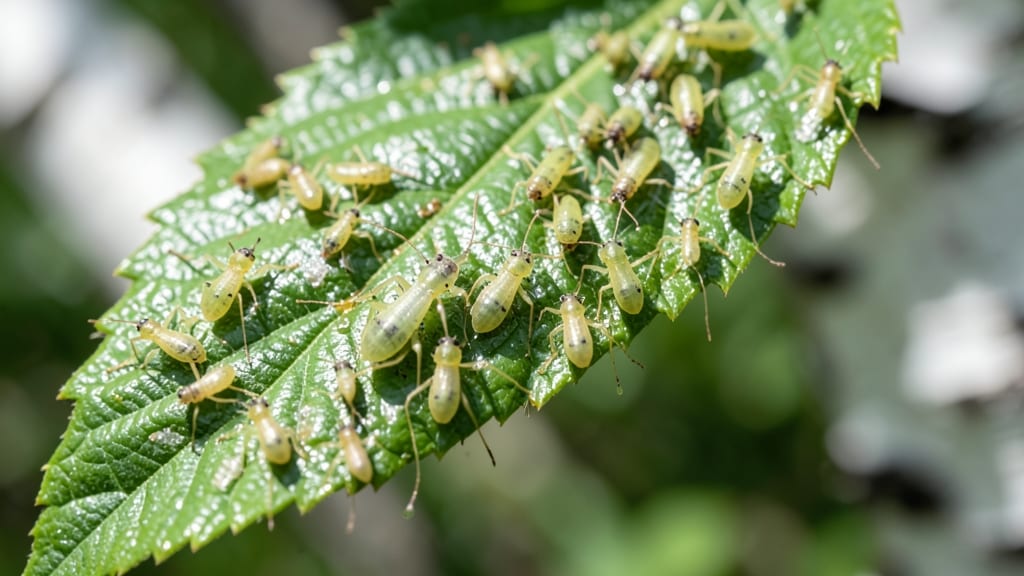
Birch trees covered in sticky aphids can look like they’ve been sprayed with syrup—but these pests drain sap faster than you’d think. 🌿 I’ve battled them for years, and the right organic spray turns a hopeless mess into a fast recovery within days.
The secret is timing and targeted treatments that don’t harm your tree or the ladybugs that eat aphids for breakfast.
These tiny green or black bugs multiply like crazy in spring, leaving behind a sticky residue called honeydew that attracts mold and wasps. Most store-bought sprays kill everything—including the helpful insects that keep aphids in check.
My go-to method uses soapy water or neem oil, applied when aphids are most active (morning or evening), and it works within 3-5 days if you’re consistent.
By the end of a week, you’ll see fresh green leaves pushing through, aphids disappearing, and no more sticky mess on your driveway. The key is catching them early—once they’ve spread, it takes longer to bring the tree back to full strength.
Plus, these organic sprays are safe for kids and pets once dry, so no more worrying about toxic fumes.
Works for all birch varieties, from paper birch to river birch, and fits into any garden maintenance routine. Here’s how to spot them early and stop them before they take over.
Root Causes Of Sap-Sucking Outbreaks
Birch trees are a magnet for tiny, sap-feeding pests like birch aphids (often Eucallipterus tiliae or Monellia costalis), and their sudden appearance isn’t random. Understanding the why behind these outbreaks helps you tackle them effectively. Here’s a breakdown of the key triggers:
Birch trees under stress send out chemical distress signals—like a silent SOS—that aphids detect from miles away. These signals are triggered by:
- Drought or poor soil: When roots struggle to absorb water or nutrients, the tree’s sap becomes richer in sugars, making it a feast for aphids. 🌡️ Pro tip: Test soil moisture and amend with compost to reduce stress.
- Competition for sunlight: Overcrowded or shaded birch trees allocate energy to survival (not defense), weakening their natural pest resistance. 🌳 Actionable fix: Prune nearby trees or shrubs to improve airflow and light exposure.
- Nutrient deficiencies: Lack of nitrogen, phosphorus, or potassium stresses trees, making them more vulnerable. 📊 Solution: Conduct a soil test and fertilize with a balanced, slow-release formula in early spring.
Aphids are master reproducers, and their populations skyrocket when conditions are ideal. Here’s how:
| Factor | Why It Matters | How to Counter |
|---|---|---|
| 🌡️ Warm springs | Warmer temperatures speed up their lifecycle, allowing multiple generations per season. | Monitor early spring and apply preventive sprays if forecasts predict warmth. |
| 🌧️ Mild winters | Cold winters kill off many aphids, but mild ones let survivors overwinter on tree bark. | Prune and remove heavily infested branches in late winter to reduce hiding spots. |
| 🍃 New leaf growth | Aphids target tender, new leaves because they’re easier to penetrate and packed with nutrients. | Encourage staggered growth by avoiding heavy pruning in late winter. |
Did you know ants farm aphids? They “herd” them like cattle, protecting the pests in exchange for their honeydew (a sugary waste product). This mutualism makes infestations worse. Here’s how it plays out:
- Ant trails on trunks: If you spot ants marching up your birch tree, they’re likely tending to aphid colonies below. 🐜 Break the cycle: Use sticky barriers (like Tanglefoot) on tree trunks to block ant access.
- Honeydew buildup: Sticky, black sooty mold (a fungus fed by honeydew) can smother leaves, further stressing the tree. ✨ Quick fix: Blast off mold with a hose and disrupt ant-aphid relationships with organic sprays like soapy water or neem oil.
Next up: We’ll dive into the early warning signs of an aphid invasion so you can act before the problem spirals out of control. Stay tuned! 🚨
How to Fix Sap-Sucking Tree Invaders
If your birch trees are under siege by tiny, sticky pests, don’t panic—there are effective, eco-friendly ways to reclaim your trees without harsh chemicals. The key is acting fast, targeting the root causes, and preventing a comeback.
Below, we break down solutions by the most common triggers, from overcrowded trees to weak immune systems, plus proactive steps to keep aphids from crashing the party again.
When trees compete for sunlight and nutrients, stress weakens their defenses, making them aphid magnets. Solution:
- 🌳 Prune strategically: Remove up to 25% of dense branches to improve airflow and sunlight exposure. Focus on crossing or inward-growing limbs first.
- 🌱 Space new saplings: If planting birch trees, keep them at least 15–20 feet apart to reduce competition.
- ⏰ Best time to prune: Late winter or early spring (before aphid season peaks). Avoid heavy pruning in fall—it stresses trees when they’re already vulnerable.
💡 Pro Tip: Sterilize pruning tools with rubbing alcohol between cuts to prevent spreading diseases like bronze birch borer, which aphids can worsen.
Aphids love stressed trees. If your birches are yellowing, stunted, or slow to recover, they’re begging for an infestation. Solution:
- 💧 Hydrate deeply: Water trees slowly at the base (1–2 inches per week) to encourage strong root growth. Drought stress = aphid buffet.
- 🌿 Feed with organic nutrients: Apply a balanced fertilizer (like 10-10-10) in early spring, or use compost tea for a gentle boost. Avoid over-fertilizing—it attracts more pests!
- 🛡️ Strengthen bark: Apply neem oil or kaolin clay as a preventative spray in late winter. These create a protective barrier aphids hate.
🌡️ Warning: If leaves are crispy or curled, it could signal a fungal issue (like birch leaf blight). Treat with copper fungicide first—aphids thrive in damaged areas.
If you’ve spotted sticky honeydew, curled leaves, or tiny green/black bugs clustering on new growth, time is critical. Here’s how to evict them:
🔪 Immediate Knockdown Methods
| Method | How to Use | Best For |
|---|---|---|
| 💦 Strong water blast | Spray aphids off with a hose nozzle (direct stream) on a sunny day. Repeat every 3–4 days until gone. | Small infestations (under 100 aphids per leaf) |
| 🍯 Soapy water spray | Mix 1 tsp mild castile soap + 1 quart water. Spray directly on aphids (avoid overspraying flowers). Reapply after rain. | All life stages (eggs, nymphs, adults) |
| 🌿 Neem oil spray | Mix 1 tbsp neem oil + 1 tsp soap + 1 quart water. Spray evenly on undersides of leaves (aphids hide there!). Apply at dusk to avoid harming bees. | Heavy infestations; also repels future pests |
| 🐞 Introduce ladybugs | Buy ladybug larvae online or release adult ladybugs (they eat 5,000 aphids in a lifetime!). Do this in early morning or evening when they’re sluggish. | Long-term prevention (best for large trees) |
⏰ Timing Matters: Treat within 48 hours of noticing honeydew. Aphids multiply exponentially—a few dozen can become thousands in a week!
Once you’ve kicked them out, lock the door with these habits:
- 🌿 Mulch wisely: Use wood chips or straw (not fresh grass clippings) to retain moisture and deter aphids. Keep mulch 2–3 inches deep around the base.
- 🌱 Plant companion species: Aphids avoid garlic, chives, or marigolds near birch trees. These release scents that repel pests.
- 🔍 Monitor regularly: Check leaf undersides every 2 weeks in spring/summer. Early detection = easy wins.
- 🚫 Avoid overwatering: Soggy soil attracts aphid-friendly fungi. Water only when the top 1–2 inches of soil are dry.
🎯 Golden Rule: Healthy trees = unappealing trees. Aphids target weak hosts, so prioritize soil health and pruning over reactive sprays.
Frequently asked questions
What do birch tree aphids look like?
Birch tree aphids are tiny (about 1/16 inch long) and usually green, black, or yellow. They cluster on new leaves and stems, often leaving behind a sticky residue called honeydew. Look for curled leaves or black sooty mold—both are classic signs. Use a magnifying glass to spot them early!
How do I know if my birch tree has an aphid infestation?
Check for sticky honeydew on leaves or bark, yellowing or curled leaves, and tiny bugs clustering on new growth. If you see ants marching up the trunk, they’re likely protecting aphids. Aphids thrive in spring when temperatures rise, so monitor your tree during this season.
Can I use neem oil on birch trees?
Yes! Neem oil is a safe, organic option for birch trees. Mix 1 tbsp neem oil + 1 tsp soap + 1 quart water and spray it directly on aphids. Apply at dusk to avoid harming bees. Reapply every 7-10 days or after rain. It disrupts aphid life cycles and repels future pests.
Will aphids kill my birch tree?
Aphids rarely kill healthy birch trees, but severe infestations can weaken them over time. The real danger comes from honeydew attracting sooty mold or ants protecting aphids. Focus on early treatment (like soapy water or neem oil) and improving tree health to prevent long-term damage.
How do I prevent aphids from returning next year?
Start with healthy soil—test and amend it with compost. Prune trees in late winter to improve airflow, and plant garlic or marigolds nearby as natural repellents. Apply neem oil or kaolin clay in late winter as a preventative barrier. Monitor leaf undersides every 2 weeks during spring/summer.