
Pruning
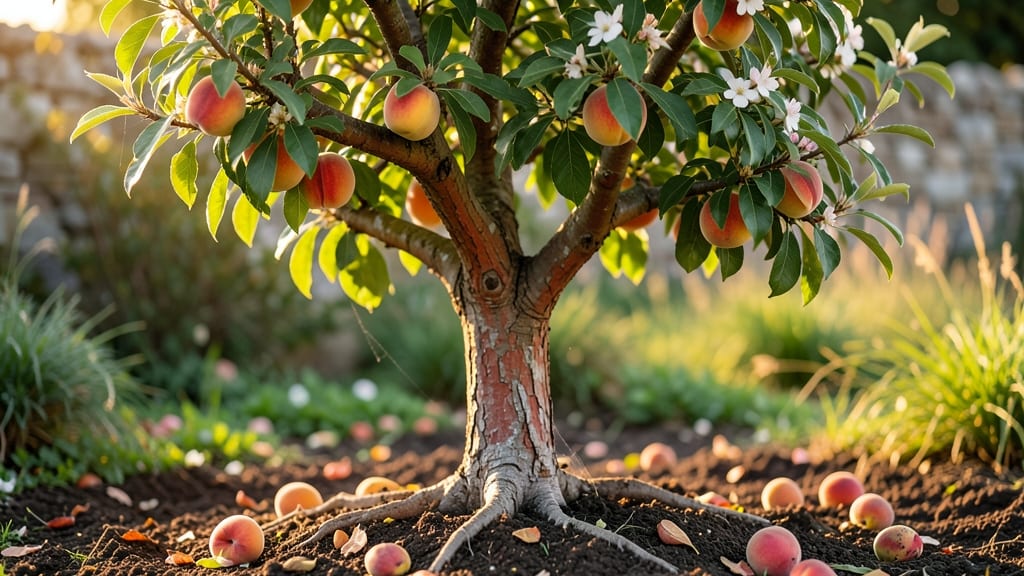
Bonfire peach tree fruit reaches its peak sweetness and texture at just the right moment — and missing that window means mealy, underripe fruit that falls short of summer perfection.
If you’ve ever bitten into a Bonfire peach only to find it still tart or mealy, you know timing is everything. Harvesting at the wrong moment ruins even the sweetest fruit, but mastering the perfect window transforms your peach tree into a sugar-rich goldmine.
For gardeners in USDA Zone 6a, where spring planting in April–May sets the stage, the harvest window spans July through September. The key lies in watching for subtle cues: a shift from green to full color, a gentle give when lifted, and that unmistakable sweet aroma.
In this guide, I’ll walk you through how to spot ripe Bonfire peaches, the best harvesting techniques to preserve flavor, and what to do if your fruit ripens too fast or too slow. No more guesswork — just juicy, flavorful peaches every time.
How to identify the perfect ripeness for Bonfire peach tree fruit
Harvesting Bonfire peaches at the right moment means the difference between juicy, melt-in-your-mouth perfection and a bland, mealy disappointment. Unlike some fruit that ripens gradually, peaches release sugars and flavor in a tight window—often just 24-48 hours before they overripen.
My Bonfire tree produces fruit with a deep golden-orange blush, but color alone isn’t enough to guarantee sweetness.
To nail the perfect harvest, you’ll need to combine three key cues: visual changes, tactile tests, and even scent. Start by checking the fruit’s color, which shifts from green to its mature hue—yellow with a red-orange blush for Bonfire varieties.
But don’t stop there; the real magic happens when you gently squeeze the peach and feel it yield slightly, like a ripe avocado. Finally, take a deep sniff near the fruit—sweet, floral aromas signal peak ripeness.
Here’s the critical part: if your peach passes these tests but still feels too firm, it’s not ready. Overripe peaches bruise easily and lose their textural integrity, turning mushy within days.
My first harvest taught me this lesson the hard way when I picked a batch too early—they never recovered their sweetness, even after sitting on the counter.
| Ripeness Cue | What to Look For | Action to Take |
|---|---|---|
| Color Change | Yellow with red-orange blush (Bonfire variety) | Check for full color development—no green patches. |
| Stem Separation | Fruit lifts easily with slight pressure | Gently twist—if it detaches cleanly, it’s ready. |
| Firmness Test | Slight give when pressed (not hard, not mushy) | Use your thumb—1/4-inch indentation is ideal. |
| Scent Check | Sweet, floral aroma near the fruit | Sniff the stem end—intense scent = peak ripeness. |
| Weather Factor | Warm, dry days (70°F+) | Harvest on morning afternoons to avoid heat stress. |
The stem separation test is my foolproof method for avoiding underripe peaches. Hold the fruit gently and lift upward—if it detaches from the branch with minimal force, it’s ready. If it resists, wait another 2-3 days.
I’ve learned that Bonfire peaches often ripen unevenly on the same tree, so check every fruit individually rather than harvesting the whole batch at once.
Don’t overlook the weather’s role in ripening. Peaches ripen faster in hot, dry conditions, so if your area hits 90°F+ for a few days, check your tree daily.
Conversely, cool nights slow ripening—this is why late-season peaches often need extra time. My Bonfire tree in Zone 7b ripens 2 weeks earlier than neighbors in cooler microclimates.
Pro tip: Harvest in the morning when temperatures are cooler. This preserves flavor and texture longer, reducing bruising. I store my freshly picked peaches in a single layer on a paper towel-lined tray at room temperature—never in the fridge until fully ripe.
Cold storage too soon stops sugar development, leaving your peaches tasting bland.
If you’re still unsure, try the "blush test": Look for the deepest red-orange color on the sun-exposed side of the peach. This area concentrates sugars and antioxidants, so vibrant hues mean peak sweetness.
My Bonfire peaches develop this blush 10-14 days before they’re fully ripe, so it’s a great early indicator.
Finally, trust your taste buds. If a peach passes all the tests but tastes sour or bland, it’s not ready yet. Bonfire peaches should taste sweet with a hint of tartness—like a perfect balance of caramel and citrus.
When you bite into one and get that juicy burst, you’ve nailed it.
Remember: Peaches don’t ripen further after picking like bananas do. Once you harvest, the clock starts ticking on their shelf life. With these cues, you’ll go from guessing to mastering the art of peach perfection—every time. 🌱
Best harvesting techniques to preserve Bonfire peach flavor and texture
Once your Bonfire peaches reach perfect ripeness, the next critical step is harvesting them correctly to lock in that sweet, juicy flavor. A gentle touch and proper timing prevent bruising while preserving the tender texture and vibrant color that make this variety so prized.
Using the wrong tools or handling peaches roughly can turn a stellar harvest into a mushy disappointment. Even a 5-minute delay after picking can reduce shelf life, so preparation is key.
I’ve learned that harvesting tools and post-pick care make all the difference between peaches that last for days and those that spoil overnight.
Bonfire peaches never ripen further after picking—unlike some fruits, they stop developing sugar once harvested. A 2-day delay in picking can mean the difference between perfectly sweet and mealy, flavorless fruit. Check for stem separation and full color daily during peak harvest season (July–September).
Start by gathering your harvesting tools: a pruning shears or fruit pickers with a long handle to avoid ladder mishaps, and a soft cloth or mesh bag for gentle transport.
Avoid plastic bags—they trap moisture and accelerate spoilage. I always harvest on cool mornings when temperatures are below 75°F to minimize stress on the fruit.
To pick, grasp the peach with one hand and gently twist and lift until it separates cleanly from the stem. If it resists, don’t force it—this peach needs 1–2 more days on the tree.
Place harvested peaches stem-side down in your mesh bag to prevent bruising from rolling. Never stack them—this crushes delicate skin and accelerates decay.
After harvesting, sort your peaches immediately by ripeness. Store them in a single layer in a ventilated container (like a wooden crate) at room temperature for 2–3 days to finish ripening.
For long-term storage (1–2 weeks), move them to the crisper drawer of your fridge—this slows ethylene production and preserves flavor.
Pro tip: If you’re not ready to eat them right away, freeze ripe Bonfire peaches for smoothies or baking. Slice them first, sprinkle with lemon juice to prevent browning, and store in airtight containers for up to 6 months.
This method captures peak flavor when fresh peaches aren’t in season.