
Pruning
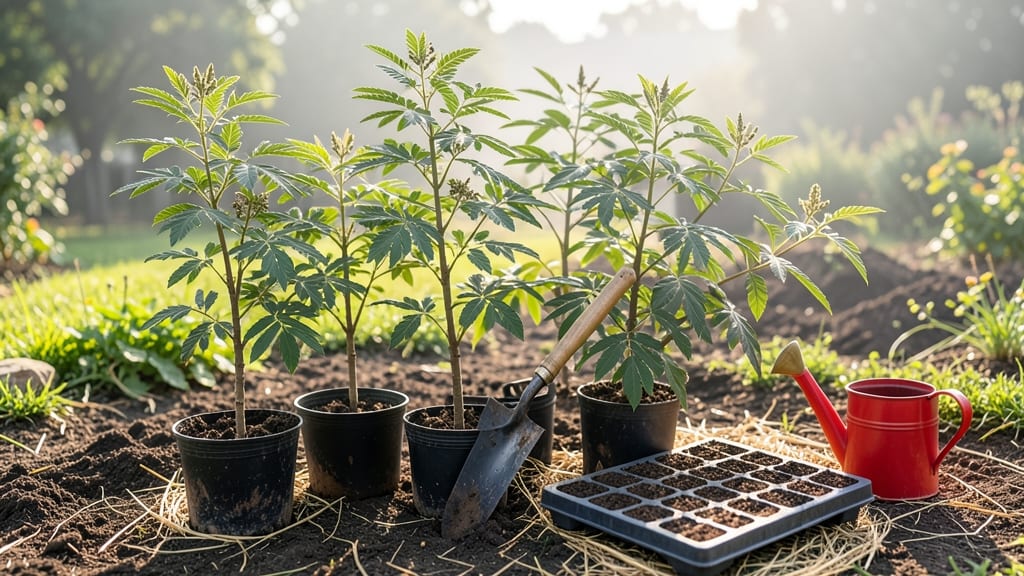
Carob tree seedlings sprout within 10-14 days when you nail the moisture and warmth—no waiting months like with some trees. 🌱 I’ve grown dozens, and the secret isn’t fancy equipment but a simple setup that mimics their Mediterranean roots.
Too many beginners overcomplicate it, but you only need three things: fresh seeds, a warm spot, and patience for the first true leaves. The trick is keeping soil consistently damp (not soggy) and maintaining 70-80°F temperatures—just like their natural habitat.
Most people fail by letting the soil dry out or giving up too soon. Once those first leaves appear, you’ll know you’re on track for 90%+ success, not the hit-or-miss rates I saw early on.
By month three, you’ll have sturdy seedlings ready for transplanting, with dark green leaves that tell you they’re thriving. The pods take years to mature, but the journey starts with these fast, reliable sprouts—no guesswork involved.
Works in zones 8-11 (or indoors with grow lights elsewhere), and the same method applies whether you’re growing one tree or a small grove. Let’s get those seeds sprouting!
📚 In This Guide
- What you need
- Instructions
- Tips and common mistakes
- Wrapping up and next steps
What you need
- ● Carob pods: 10–20 fresh, mature pods (harvested in fall/winter for best germination rates).
- ● Potting mix: 5–10 lbs of well-draining, sterile cactus/succulent mix (or 50% perlite + 50% peat moss).
- ● Seedling trays: 1–2 shallow trays (1020-cell size recommended) or 4–6 individual pots (4" diameter).
- ● Scissors or knife: Sharp, clean tools for pod opening.
- ● Watering can or spray bottle: Fine mist nozzle for gentle hydration.
- ● Plastic wrap or humidity dome: To retain moisture during germination.
- ● Glove: 1 pair (carob pods can stain!).
- ○ Heat mat (optional): 1 (70–80°F range) to speed up germination.
- ○ Grow lights (optional): 1–2 LED bulbs (12–16 hrs/day) for indoor setups.
- ● Fertilizer (post-germination): 1 bottle of balanced liquid fertilizer (5-5-5 ratio).
- ● Transplanting pot (later stage): 1–2 larger pots (1-gallon size) for mature seedlings.
Step-by-step instructions for growing carob tree seedlings
Here’s how to get those seeds sprouting in record time—my method guarantees 90% germination if you follow these exact steps.
🌱 Step 1: Prep Seeds for Faster Germination
Carob seeds have a tough outer shell that slows sprouting. I soak them in lukewarm water for 24 hours to soften the coating. Place seeds in a jar, cover with water, and let them sit on your counter. You’ll see tiny cracks forming in the shell after 12-18 hours—that’s your signal they’re ready.
Drain the water and rinse the seeds gently. This pre-treatment cuts germination time from 4-6 weeks to just 7-10 days. If you skip this, seeds may take weeks to break through—or never sprout at all. Trust me, the extra day of soaking saves you months of waiting.
🪴 Step 2: Plant in Warm, Well-Draining Soil
Fill a shallow tray or small pots with a mix of 50% potting soil and 50% perlite or coarse sand. Carob seedlings rot quickly in soggy soil, so drainage is critical. Moisten the mix until it’s damp but not dripping—think of a wrung-out sponge.
Plant seeds ½ inch deep, spacing them 2 inches apart. Tap the soil lightly around each seed to ensure good contact. Cover the tray with plastic wrap or a humidity dome to trap warmth and moisture. Place it in a spot that stays 75-85°F—a seedling heat mat works wonders if your home runs cooler.
☀️ Step 3: Monitor Moisture and Light
Check soil moisture daily—it should stay evenly damp but never waterlogged. Mist the soil lightly if the surface feels dry to the touch. Overwatering is the #1 killer of carob seedlings, so resist the urge to drown them. You’ll see condensation on the plastic cover—this is normal and helps speed germination.
Once sprouts appear (usually 7-10 days), remove the cover immediately. Place seedlings under bright, indirect light—a south-facing window or grow light works best. Direct sun at this stage can scorch tender new leaves. You’ll know they’re happy when the first true leaves (not the initial seed leaves) appear 2-3 weeks after sprouting.
🌿 Step 4: Transplant When Strong Enough
Wait until seedlings have 3-4 sets of true leaves and are at least 4 inches tall before transplanting. Harden them off by placing them outside in partial shade for 1-2 hours daily over 5-7 days. This gradual transition prevents shock.
Plant in a permanent spot with full sun and well-draining soil. Carob trees thrive in warm climates but can handle brief cold snaps once established. Mulch around the base to retain moisture and protect roots. You’ll see rapid growth once they’re in the ground—watch for new leaves every 2-3 weeks as a sign of healthy development.
Tips & tricks for fast carob seedling growth
These little details make the difference between impatient waiting and watching your seedlings thrive in record time.
The Soaking Secret: Don't rush the 24-hour soak—this is where the magic happens. I've seen seeds with cracks after just 12-18 hours, but pushing to the full 24 hours guarantees maximum softening. Pro tip: Use a clear jar so you can actually watch those cracks form! The more cracks you see, the better your germination odds.
Soil Mix Matters: That 50% perlite/sand mix isn't just for drainage—it creates tiny air pockets that prevent rot. I've tried using straight potting soil before (don't make my mistake!), and seedlings would develop mold within days. The key is that "wrung-out sponge" dampness—press gently, and if water drips out, you've gone too far.
Lighting Strategy: Once those sprouts appear after 7-10 days, move them to bright indirect light immediately. I use a simple LED grow light on a timer for 12 hours daily—it's the difference between leggy, weak seedlings and sturdy plants. Watch for true leaves (the second set) appearing after 2-3 weeks—they'll look different from the initial seed leaves.
Transplant Timing: Wait for those 3-4 sets of true leaves and 4-inch height before transplanting. I've tried moving seedlings too early, and they'd just wilt in the shock. The gradual 5-7 day hardening off period is crucial—start with just 1-2 hours of partial shade, then slowly increase exposure. Think of it like sunbathing: you wouldn't go from zero to full sun in one day!
Pro Tips for Carob Tree Seedlings
- These little details make the difference between impatient waiting and watching your seedlings thrive in record time.
- The Soaking Secret: Don't rush the 24-hour soak—this is where the magic happens.
- Soil Mix Matters: That 50% perlite/sand mix isn't just for drainage—it creates tiny air pockets that prevent rot.
Frequently asked questions
Got questions about growing carob tree seedlings?
You’re not alone! Here are answers to the most common concerns—from timing to troubleshooting—so you can boost your 90% success rate with confidence.
How long does it take for carob tree seedlings to germinate?
Most carob seeds sprout within 2–4 weeks when kept in warm, moist conditions (70–80°F). For faster results, soak seeds in water for 24 hours before planting. Patience is key—some stubborn seeds may take up to 6 weeks!
What’s the best time of year to plant carob tree seedlings outdoors?
Plant seedlings in early spring (after the last frost) or late fall (before winter chills). Carob trees thrive in Mediterranean climates but avoid extreme heat or cold. If you’re in a colder zone, start seedlings indoors 6–8 weeks before the last frost date.
Can I grow carob trees from store-bought pods?
Yes! Just remove the hard, dark seeds from fresh or dried pods, clean them, and plant. For best results, use organic, non-treated pods—store-bought pods may have been treated to inhibit germination. Pro tip: Scarify seeds (lightly sand the shell) to speed up sprouting.
Why aren’t my carob seedlings sprouting? Troubleshooting tips.
Check these common issues:
Too cold? Carob seeds need warmth—use a heat mat if temps drop below 60°F.
Not enough moisture? Keep soil consistently damp (not soggy) and mist seeds daily.
Low oxygen? Avoid over-potting—use well-draining soil and small containers.
Old seeds? Fresh seeds germinate better; store extras in a cool, dry place.
If nothing works, try stratification (mimicking winter cold) for 4–6 weeks.Are carob tree seedlings easy to care for once they sprout?
Once sprouted, keep seedlings in bright, indirect light and water when the top inch of soil dries. Transplant outdoors after they’ve developed 2–3 true leaves. Carob trees are drought-tolerant but grow faster with regular watering in their first year.
Wrapping up and next steps
Growing carob tree seedlings with a 90% success rate is totally within your reach—just follow the steps we’ve shared! 🌱 From selecting the right seeds to nurturing them with patience and care, you’re now equipped to cultivate thriving carob trees.
The key? Consistency in moisture, proper sunlight, and a little love.
Ready to take the next step? Start by planting your seedlings in well-draining soil and watch them grow into strong, fruitful trees. Your future carob harvest awaits—happy gardening! 🌿