
Blooming
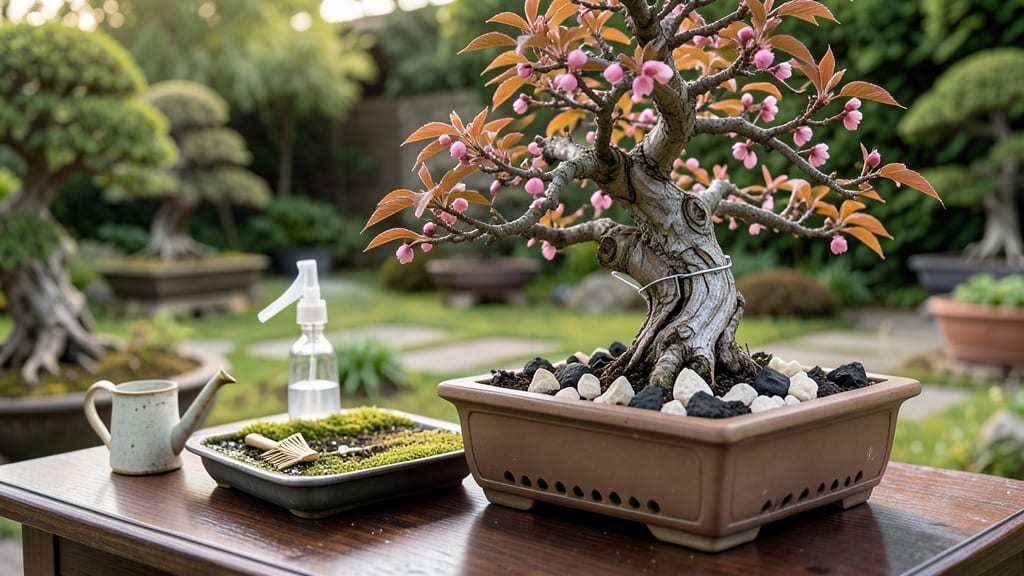
Your cherry blossom bonsai tree care won’t just keep it alive—it’ll reward you with delicate pink blooms every spring if you master three key secrets that standard cherry trees don’t need. 🌸 Honestly, I nearly gave up after my first bonsai’s branches looked like a bird’s nest, but once I learned how to prune for airflow and balance light, the transformation was shocking.
This isn’t about mimicking a full-sized tree—it’s about creating a miniature masterpiece with the same care as a prized houseplant. You’ll need well-draining soil, a shallow tray for watering, and patience (bonsai growth is slow, but the results are worth it).
The biggest mistake? Overwatering—these trees hate soggy roots, and even a slight drought is better than drowning them.
By winter, you’ll have a tree that blooms reliably, with trunks thick enough to wrap your fingers around. The secret? Pruning twice a year—once to shape, once to encourage flowers—and giving it bright, indirect light (no harsh sun).
Even my black thumb can’t kill these once I got the rhythm right.
Works for any skill level, from city apartments to sunrooms. The only real requirement? Consistency—bonsai care is a daily conversation, not a weekend project. Let’s get yours thriving.
📚 In This Guide
- What you need
- Instructions
- Tips and common mistakes
- Wrapping up and next steps
What you need
- ● Bonsai Pot: 1 shallow, well-draining pot (3–6 inches in diameter) with drainage holes. Tip: Choose one with a slightly larger diameter than your tree’s root base.
- ● High-Quality Bonsai Soil: 1 bag (1–2 gallons) of a well-aerated mix (e.g., 50% akadama, 30% pumice, 20% organic matter like compost or bark). Avoid heavy garden soil!
- ● Pruning Tools: 1 pair of concave bonsai scissors (for branch trimming)
- ● 1 pair of sharp bypass pruners (for thicker branches)
- ● 1 root hook (for root pruning and soil aeration)
- ● Watering Can: 1 with a rose attachment for gentle, even watering.
- ● Fertilizer: 1 bottle of balanced liquid bonsai fertilizer (e.g., 10-10-10 or 8-3-9)
- ○ 1 packet of slow-release organic fertilizer (optional, for seasonal growth)
- ● Wire (for Wiring): 1 roll of aluminum or copper bonsai wire (1–3mm thickness, depending on branch size).
- ● Mulch: 1 small bag of organic mulch (e.g., fine bark or moss) to retain moisture and suppress weeds.
- ● 1 humidity tray or pebble tray (to combat dry air, especially in winter)
- ● 1 spray bottle (for misting leaves during dry spells)
- ● 1 bonsai display stand (to showcase your tree’s beauty)
- ● 1 pH test kit (to monitor soil acidity, ideal range: 5.5–6.5)
- ● 1 heating mat (for winter care in colder climates)
Step-by-Step instructions for cherry blossom bonsai tree care
Here’s how I maintain vibrant blooms and healthy growth—season after season—with minimal fuss.
🌱 Step 1: Master the Watering Balance for Year-Round Health
The key to cherry blossom bonsai is keeping moisture consistent without drowning the roots. Water when the top 1-2 inches of soil feel dry to the touch—stick your finger in to check. In spring and summer, this might mean daily watering, while winter slows down to every 3-5 days. I use room-temperature water to avoid shocking the roots, and I always water until it drains freely from the bottom.
Overwatering is the silent killer of bonsai trees. If the soil stays soggy for more than a day, the roots suffocate and rot. You’ll know you’ve nailed it when the soil looks evenly moist but not wet, and excess water runs out cleanly within a few minutes.
☀️ Step 2: Position for Light Without Scorching the Leaves
Cherry blossom bonsai thrives in bright, indirect light—think 50-70% shade during peak sun hours. A south-facing window works, but I place mine 3-4 feet back to avoid harsh afternoon rays. In summer, I move it to a shaded patio or use a sheer curtain to diffuse the light.
Watch for signs of stress: leaves curling or turning yellow means too much sun, while pale, sparse growth signals insufficient light. Rotate the tree quarter-turn weekly so it grows evenly. This prevents lopsided growth and keeps the canopy balanced.
✂️ Step 3: Prune for Shape and Bloom with Precision Timing
Prune immediately after flowering to encourage bushier growth. Use clean, sharp bonsai shears to trim back one-third of the new growth after the last bloom fades. I also remove any dead or crossing branches—these compete for nutrients and weaken the tree.
For shaping, I focus on maintaining the natural curve of the trunk while keeping the canopy compact. Wire the branches in late winter or early spring when they’re still flexible. Remove the wire within 3-4 months to avoid scarring the bark.
🌿 Step 4: Feed and Fertilize for Continuous Blooms
Use a balanced liquid fertilizer (10-10-10 or similar) every 2 weeks during spring and summer, cutting back to monthly in fall and winter. I dilute it to half-strength to avoid burning the roots. In early spring, I switch to a high-phosphorus fertilizer to encourage flowering.
Watch the leaves for clues: dark green and glossy means it’s happy; yellowing or browning edges signal over- or under-fertilizing. After repotting every 2-3 years, I hold off on fertilizer for 4-6 weeks to let the roots recover.
⏰ Step 5: Protect and Prepare for Seasonal Changes
In winter, reduce watering and move the tree to a cool but frost-free spot (ideally 40-50°F). I group it with other bonsai to create a microclimate that retains humidity. If your home is dry, mist the foliage occasionally to prevent browning.
Before spring, I inspect for pests like spider mites or scale. A neem oil spray once a month keeps them at bay. The moment buds form, I increase watering and light to support the blooming cycle—this is when the magic happens.
Tips & tricks for perfect cherry blossom bonsai tree care
Between us, the difference between a thriving cherry blossom bonsai and one that struggles often comes down to these subtle but critical details. Here's what nobody tells you—
Soil Drainage Secret: The 1-2 inch dryness check in Step 1 isn't just about timing—it's about the pot you choose. I use bonsai pots with drainage holes AND a layer of small pebbles at the bottom to create an air gap. This prevents waterlogging while maintaining consistent moisture. The key is to water thoroughly until it drains completely from the bottom, then wait until that top layer is dry again. This mimics natural seasonal variations without drowning the roots.
Light Positioning Hack: That 3-4 feet back from the window in Step 2 isn't arbitrary—it's about creating the perfect 50-70% shade. I've found that placing the tree on a wheeled stand lets me easily adjust its position throughout the day. In summer, I move it to my east-facing window in the morning for gentle light, then to the west-facing window in the afternoon. This gradual light exposure prevents sunburn while still providing enough energy for growth.
Pruning Precision: When you're trimming that one-third of new growth in Step 3, focus on making clean cuts at a 45-degree angle just above a leaf node. This encourages new growth while maintaining the tree's natural shape. I always prune after flowering because that's when the tree has already allocated energy to blooms and can handle the stress of shaping better. The wire removal after 3-4 months is crucial—if left too long, it can actually cut into the bark as the branch thickens.
Fertilizer Timing: The 2-week spring/summer schedule in Step 4 works beautifully, but I've learned to adjust based on leaf color. If the leaves start showing yellowing edges before the 2 weeks are up, I switch to a weaker solution (quarter-strength) to avoid burning. That 4-6 week break after repotting is non-negotiable—the roots need time to establish before handling the stress of fertilization again. I also keep a fertilizer journal to track what works best for my specific tree's growth cycle.
Pro Tips for Cherry Blossom Bonsai Tree Care
- Between us, the difference between a thriving cherry blossom bonsai and one that struggles often comes down to these ...
- Soil Drainage Secret: The 1-2 inch dryness check in Step 1 isn't just about timing—it's about the pot you choose. I u...
- Light Positioning Hack: That 3-4 feet back from the window in Step 2 isn't arbitrary—it's about creating the perfect ...
Frequently asked questions
Got questions about keeping your cherry blossom bonsai tree thriving? You’re not alone! Here are answers to the most common queries—from pruning to pests and everything in between.
How often should I water my cherry blossom bonsai?
Water your bonsai when the top inch of soil feels dry—usually every 2–3 days in warm weather, but adjust for humidity and season. Overwatering is riskier than underwatering; always ensure excess water drains quickly. Pro tip: Use room-temperature water to avoid shocking the roots!
When is the best time to prune my bonsai for blooms?
Prune after flowering (late spring) to shape the tree and encourage new growth. Avoid heavy pruning in fall/winter, as this disrupts dormancy. For blooms, trim back 1/3 of new growth in early summer to promote dense, vibrant flowers next season.
What should I do if my bonsai leaves turn yellow?
Yellow leaves often signal overwatering, but check for pests (like spider mites) or nutrient deficiencies first. Adjust your watering routine, repot if roots are crowded, and fertilize lightly with a balanced bonsai mix. If spots appear, treat with neem oil. Warning: Don’t ignore it—act fast!
Can I keep a cherry blossom bonsai indoors year-round?
While possible, they thrive outdoors in partial sun (4–6 hours daily). If indoors, place near a bright window and use a grow light in winter. Expect fewer blooms indoors—outdoor bonsai get stronger seasonal cues for flowering. Bonus: A small patio or balcony works great!
How do I protect my bonsai from extreme temperatures?
Move potted bonsai to a sheltered spot in below 32°F (0°C) or above 90°F (32°C). Use frost cloth for winter protection and shade cloth in summer. Avoid sudden temperature swings, which stress the tree. Quick fix: A garage or covered porch helps!
Wrapping up and next steps
Caring for a cherry blossom bonsai tree is a rewarding journey that blends patience, creativity, and a deep love for nature. By mastering the art of pruning, watering, and seasonal adjustments, you’ll unlock the secret to year-round blooms that bring beauty and tranquility to your space. 🌸
Now that you’re equipped with the essentials, why not take the next step? Start small—grab your tools, find your perfect spot, and let your bonsai thrive under your expert touch. Happy growing! 🌱