
Pests and Diseases
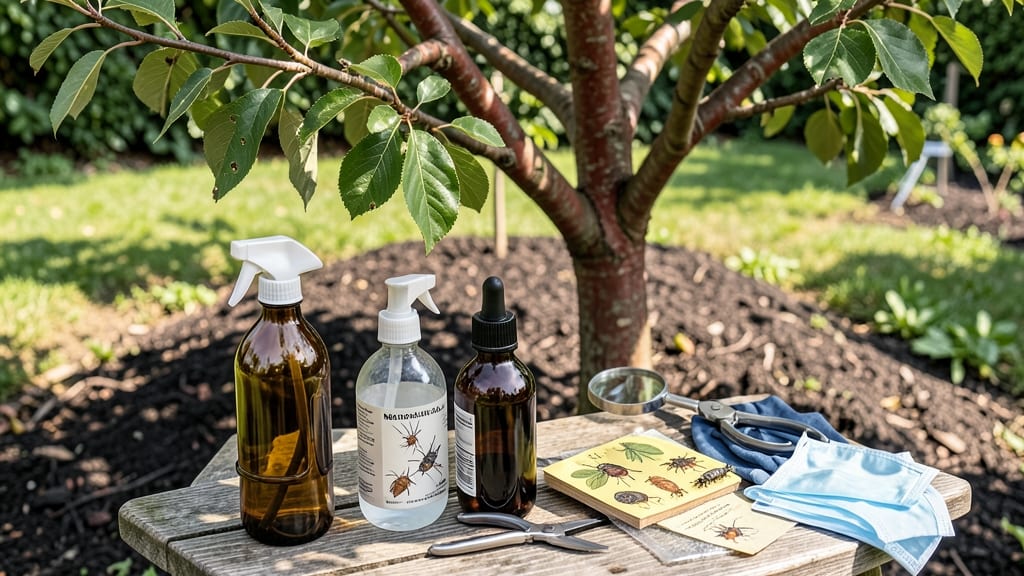
Your cherry tree pest control starts with those curled leaves—aphids are already feasting, and these organic sprays will send them packing in days. 🌿 I’ve watched entire infestations vanish in under a week using the right mix of neem oil, insecticidal soap, and a simple DIY spray.
The key isn’t just spraying—it’s timing and consistency, which I’ll break down so you don’t waste a drop.
Borers are the silent saboteurs, tunneling under bark while you’re busy admiring the blossoms. I learned the hard way that waiting until you see sawdust at the base means it’s too late—early detection is everything.
You’ll spot their work by looking for D-shaped exit holes or sticky sap (aphid honeydew) on branches. Prune infected limbs in late winter when the tree’s dormant, then seal wounds with pruning paint to keep them out.
By the time you’re done, your tree will be thriving—no more wilting leaves, no more fruit flies feasting on your harvest. The best part? These methods work for sweet and sour cherries alike, and you’ll save money by skipping chemical sprays.
We’ll cover exactly what to mix, when to apply it, and how to keep pests from coming back next season.
Whether you’ve got a backyard orchard or just one lonely cherry tree, this plan adapts. Fast results start with the right tools—and I’ll tell you which ones actually work, not just what’s sold at the garden center. Let’s get your tree back to healthy, productive glory.
Root Causes Of Cherry Tree Pests
Cherry trees, with their delicate blossoms and sweet fruit, are a magnet for pests—but why do these invaders show up in the first place? Understanding the underlying triggers helps you take proactive steps to protect your tree.
Here’s why pests like borers, aphids, and mites target your cherries—and how their behavior connects to your tree’s health.
A healthy cherry tree has natural defenses, but when its immune system weakens, pests move in like opportunists. Here’s how it happens:
- Nutrient Deficiencies Cherry trees deprived of essential nutrients (like nitrogen, potassium, or zinc) struggle to produce strong bark, leaves, and sap—making them easier targets.
For example: - Yellowing leaves? Likely nitrogen deficiency → aphids thrive on soft, nutrient-poor foliage. - Stunted growth? Phosphorus or potassium shortages → borers exploit weakened wood.
- Water Stress
- Overwatering creates soggy soil, inviting fungal diseases (like root rot) that attract sap-sucking pests.
- Drought stress weakens the tree’s vascular system, making it easier for borers to drill into the bark.
- Physical Damage
- Pruning wounds or hail scars expose fresh sap—borers and beetles detect these "open invitations" and lay eggs in the cracks.
- Bird or rodent damage can also create entry points for pests.
Pests don’t just appear randomly—they’re drawn by specific conditions in your orchard or backyard. These factors create the perfect pest party:
- Overcrowded Plantings Dense cherry trees (or mixed orchards) reduce airflow, increasing humidity and moisture—ideal for aphids, mites, and fungal-spreading pests. Poor airflow also slows down natural predators (like ladybugs) from patrolling your tree.
- Monoculture Plantings Growing only cherry trees in a row (without companion plants) removes biodiversity. Pests like cherry fruit flies or Japanese beetles have fewer natural enemies to keep them in check.
- Climate and Seasonal Shifts
- Warm winters allow overwintering pests (like peach twig borers) to survive and multiply faster.
- Early springs with rapid growth spurts attract aphids, which feed on tender new leaves.
- Late summers with high heat stress trees, making them more vulnerable to spotted wing drosophila (a fruit fly pest).
Your yard’s messiness directly impacts pest populations. Here’s how:
- Fallen Fruit and Leaves
- Rotten cherries on the ground ferment, releasing odors that attract fruit flies and beetles.
- Leaf litter provides shelter for scale insects and borer larvae during winter.
- Infested Wood or Stumps
- Old pruned branches left on the ground can harbor borer eggs for years.
- Dead or diseased trees nearby act as pest reservoirs, constantly reinfecting healthy cherries.
- Weeds and Alternative Hosts
- Weeds like dandelions or nettles host aphids and mites, which then migrate to your cherry tree.
- Wild cherries or plums in your area can serve as pest breeding grounds, ensuring a steady supply of invaders for your cultivated trees.
Soil health isn’t just about nutrients—it’s also about pH balance and microorganisms. Pests exploit these imbalances:
- High pH (Alkaline Soil)
- Limits beneficial fungi (like mycorrhizae) that help trees absorb nutrients → weaker trees attract pests.
- Aphids and mites prefer alkaline conditions because they disrupt the tree’s natural defenses.
- Compacted or Poor-Draining Soil
- Root-bound trees struggle to uptake water and nutrients, making them stressed and attractive to borers.
- Waterlogged roots create anaerobic conditions, weakening the tree’s ability to fight off pests.
Sometimes, well-meaning gardening practices backfire by creating pest hotspots:
- Over-Fertilizing with Synthetic Chemicals
- Excess nitrogen leads to soft, sappy growth—aphids’ favorite buffet.
- Heavy pesticide use can kill natural predators (like lacewings or parasitic wasps), leading to pest explosions.
- Improper Pruning Techniques
- Cutting too late in the season (after buds swell) exposes fresh sap, attracting borers.
- Leaving stubs instead of clean cuts creates entry points for pests.
- Introducing Infested Plants or Tools
- Buying nursery trees with hidden borer larvae or using shared pruners between infected and healthy trees spreads pests rapidly.
The rise of new pests in cherry orchards is often linked to:
- Warmer winters allowing southern pests (like the black knot fungus) to survive in northern regions.
- Increased rainfall creating ideal conditions for fungal pests (e.g., cherry leaf spot).
- Global trade introducing non-native pests (like the spotted lanternfly) with no natural predators.
Pests don’t attack randomly—they exploit weaknesses in your tree’s environment. By addressing nutrient gaps, sanitation, soil health, and smart gardening practices, you remove the "welcome mat" for invaders.
The next section will show you how to disrupt their life cycles with targeted organic sprays—but first, fix the root causes!
How to solve it
When pests like borers, aphids, or spider mites invade your cherry tree, swift action is key to saving your harvest—and your tree’s health. The good news? Many natural solutions are effective, easy to apply, and safer for your garden ecosystem.
Below, we’ve mapped out targeted fixes for common cherry tree pests, along with proactive prevention tips to keep them from returning.
If you spot sawdust-like frass, exit holes, or wilting branches, borers are likely the culprit. These wood-boring pests weaken the tree’s structure over time.
✅ Step-by-Step Fix:
- 🔪 Prune Infested Branches
- Use sterilized pruning shears to cut and remove heavily damaged branches (at least 6 inches below the visible holes).
- Pro Tip: Burn or dispose of the cuttings in sealed bags—do not compost to prevent reinfestation.
- 🐝 Introduce Beneficial Predators
- Woodpeckers and parasitic wasps (like Spilomicrus species) naturally hunt borers. Install a birdhouse or avoid pesticides to encourage their presence.
- 💦 Apply Organic Borer Sprays - Neem Oil Solution: Mix 2 tbsp neem oil + 1 tsp horticultural oil per gallon of water. Spray on bark and entry holes weekly for 4 weeks. - Beneficial Nematodes: Soil-dwelling Heterorhabditis bacteriophora nematodes target larval borers.
Apply in early spring or late fall when soil temps are 55–75°F.
- 🌡️ Solarize the Soil (For Severe Cases)
- Cover the base of the tree with clear plastic for 4–6 weeks in hot sun to raise soil temps and kill larvae.
💡 Prevention Tips:
- Seal Wounds: Apply pruning paint to fresh cuts to deter borers.
- Mulch Properly: Use wood chips (not bark) to reduce stress and attract predatory beetles.
- Monitor Early: Check for egg masses or frass in spring before larvae bore in.
Aphids cluster on new growth, sucking sap and leaving behind a sticky residue (honeydew) that attracts sooty mold. Look for curled leaves, distorted buds, or ants "herding" them.
✅ Step-by-Step Fix:
- 👨🍳 Blast Them Off
- Use a strong stream of water (early morning) to dislodge aphids from leaves and stems. Repeat every 2–3 days for 2 weeks.
- 🌿 Spray Homemade Remedies
- Soapy Water: Mix 1 tbsp mild castile soap + 1 quart water. Spray directly on aphids (avoid beneficial insects).
- Garlic Pepper Spray: Blend 2 garlic cloves + 1 tsp cayenne pepper + 1 quart water. Strain and spray on infested areas.
- 🐞 Encourage Natural Enemies
- Ladybugs, lacewings, and parasitic wasps devour aphids. Plant dill, fennel, or yarrow nearby to attract them.
- 🍯 Use Horticultural Oil
- Apply summer oil (like Neem Bliss) to smother aphids during their dormant stages (fall or early spring).
💡 Prevention Tips:
- Prune Thick Growth: Aphids love dense foliage—keep the tree open for airflow.
- Avoid Over-Fertilizing: Nitrogen-heavy fertilizers attract aphids.
- Reflective Mulch: Use silver plastic mulch to disorient aphids with light reflections.
These microscopic pests thrive in dry conditions, spinning fine webs on the undersides of leaves. Signs include stippled leaves, webbing, and a "bronzed" appearance.
✅ Step-by-Step Fix:
- 💦 Increase Humidity
- Spider mites hate moisture. Water the tree deeply twice weekly (early morning) and use a hose-end spray nozzle to rinse them off.
- 🌿 Apply Neem Oil or Insecticidal Soap
- Mix 1% neem oil or potassium soap (like Safer’s) with water and spray both sides of leaves. Reapply every 5–7 days for 3 weeks.
- 🕸️ Use Predatory Mites
- Release Phytoseiulus persimilis (a beneficial mite) to hunt spider mites. Best applied in early morning when mites are inactive.
- 🌡️ Try Diatomaceous Earth (DE)
- Sprinkle food-grade DE on soil around the tree and lightly dust leaves. It dehydrates mites but must stay dry to work.
💡 Prevention Tips:
- Mulch with Straw: Retains soil moisture and deters mites.
- Avoid Broad-Spectrum Pesticides: They kill natural predators like ladybugs.
- Monitor Regularly: Check leaf undersides with a magnifying glass weekly.
Healthy trees resist pests better. Boost your cherry tree’s resilience with these year-round strategies:
| Action | When to Do It | How to Do It |
|---|---|---|
| 🌱 Mulch | Spring/Fall | Apply 3–4 inches of organic mulch (wood chips, straw) around the base, keeping it away from the trunk. |
| 💧 Water Deeply | Weekly (drought conditions) | Water at the drip line (not just the trunk) for 1–2 hours to encourage deep roots. |
| 🍃 Fertilize Balanced | Early Spring | Use a low-nitrogen, high-potassium fertilizer (like 5-5-10) to avoid pest attraction. |
| 🌿 Companion Plant | Year-Round | Plant marigolds, basil, or chives nearby—their scents repel pests. |
🎯 Final Pro Tip: Rotate your organic treatments every 2–3 weeks to prevent pests from building resistance. Consistency is key!
Frequently asked questions
What are the first signs of cherry tree borer infestation?
Look for D-shaped exit holes in the bark (about 1/8-inch wide) and piles of sawdust-like frass beneath them. You may also notice wilting branches or oozing sap—these are clear signals that borers have tunneled into the wood. Check the tree's trunk and larger branches in early spring before new growth appears.
Can I use neem oil on cherry trees during fruit production?
Yes, but with timing precision! Neem oil is safe for cherries when applied before flowering or after harvest. During fruit production, avoid spraying directly on blossoms or fruit—focus on leaves and bark instead. Always dilute it properly (1-2 tbsp per gallon of water) and apply in the evening to prevent leaf burn from sunlight.
How do I tell if my cherry tree's damage is from pests or disease?
Pest damage often shows as physical holes, tunnels, or clusters of insects, while diseases typically cause discoloration, spots, or fungal growth. For example, black knot fungus creates dark, swollen growths on branches, whereas borers leave clean exit holes. Check the undersides of leaves for webbing (mites) or sticky residue (aphids)—these are pest hallmarks.
Are there any companion plants that naturally repel cherry tree pests?
Plant marigolds (especially French marigolds) around your cherry tree—they emit a scent that deters aphids and nematodes. Other excellent companions include basil, chives, and garlic, which repel Japanese beetles and fruit flies. Avoid planting raspberries or blackberries nearby, as they can attract shared pests.
How often should I inspect my cherry tree for pests?
Check your tree weekly during growing season (spring through fall) and monthly in winter. Focus inspections on new growth, leaf undersides, and bark crevices—these are prime hiding spots. Early detection is critical, especially for borers, which can cause irreversible damage if left unchecked for more than 2-3 weeks.