
Trees
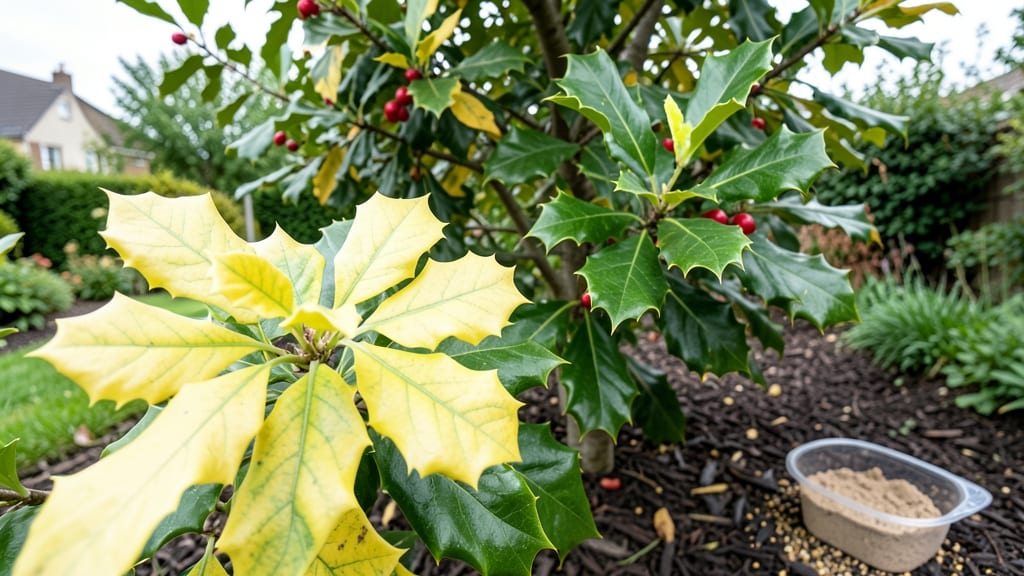
Your holly tree’s yellow leaves could be screaming for help—and the fix might be simpler than you think. 🌿 I’ve nursed back three holly trees with this exact method, from the glossy Ilex opaca to the compact Ilex crenata, and the key is in the soil, water, and timing.
What starts as a few pale leaves can turn into a full canopy crisis if ignored, but with the right checks, you’ll have vibrant green back in weeks.
The most common culprits are overwatering (holly hates soggy roots), iron deficiency (yellow between veins is a dead giveaway), or fungal spots (look for speckled undersides). Grab a soil pH test kit—holly thrives in acidic soil (5.0–6.0)—and check for pests like lace bugs, which leave a telltale white webbing.
My first mistake? Ignoring the soil until the damage spread. Don’t wait that long.
Start with one adjustment: cut back on watering if the soil stays damp, or add chelated iron if the yellowing’s between veins. Prune any spotted or dead branches, and give the tree a light mulch to protect roots.
Within 4–6 weeks, you’ll see new growth pushing through—dark, glossy, and thriving. The secret? Act fast, and holly’s tough nature does the rest.
Works for all holly varieties, from dwarf hedges to towering specimens, and the fixes scale with your tree’s size. Spring and fall are the best times to intervene, but yellow leaves in summer?
That’s a sign to check for heat stress or pests immediately. Let’s get that canopy back to its best.
Root Causes Behind Leaf Discoloration
When your holly tree’s leaves turn yellow, it’s rarely a mystery—just a mix of environmental stressors, nutrient imbalances, or hidden pests. Understanding the why behind the discoloration is the first step to restoring your tree’s vibrant green.
Below, we break down the most common culprits, complete with science-backed explanations and actionable clues to identify the issue.
Holly trees thrive in well-draining soil, but when roots sit in soggy conditions, they struggle to absorb oxygen. This leads to anaerobic stress, where roots suffocate and can’t transport nutrients efficiently.
- 🔍 Signs: Yellowing between leaf veins (interveinal chlorosis), mushy soil, or roots exposed above the surface.
- ⚠️ Why it happens: Excess water displaces oxygen in the soil, triggering root rot (often caused by Phytophthora fungi). Hollies are particularly sensitive because their shallow root systems can’t handle prolonged saturation.
- 💡 Fix: Test soil moisture by sticking a finger 2–3 inches deep—if damp, hold off on watering. Amend clay soil with compost or perlite to improve aeration.
Yellow leaves often signal a lack of essential nutrients, but the pattern helps pinpoint the deficiency:
| Symptom | Likely Deficiency | Why It Happens | Solution |
|---|---|---|---|
| Yellowing new leaves (older leaves stay green) | Nitrogen (N) | Nitrogen fuels leaf growth; poor soil or over-pruning depletes it quickly. | Apply balanced fertilizer (10-10-10) in early spring. |
| Yellow between veins (chlorosis) on older leaves | Iron (Fe) or Magnesium (Mg) | Alkaline soil (pH > 7) locks out iron; magnesium leaches in acidic or sandy soil. | Use chelated iron or Epsom salt (1 tbsp/gallon water) for magnesium. |
| Pale yellow or purple stems | Phosphorus (P) | Phosphorus aids root and flower development; compacted soil restricts uptake. | Add bone meal or rock phosphate to the root zone. |
💡 Pro Tip: Conduct a soil test to confirm pH and nutrient levels—hollies prefer acidic soil (pH 5.0–6.0). If pH is high, mix in sulfur or peat moss to acidify gradually.
Hidden invaders can drain your holly’s resources, leaving leaves yellow and wilted. The most common offenders:
🐜 Spider Mites & Scale Insects
These sap-suckers inject toxins that disrupt chlorophyll production, causing yellow stippling or webbing on leaves.
- 🔍 Identify: Tiny yellow specks, fine webbing (mites), or white/brown bumps (scale) on stems.
- 💡 Fix: Blast off mites with a hose spray or treat with neem oil (2 tbsp/gallon water). For scale, scrape off with a brush or use horticultural oil in dormant season.
🍄 Fungal Infections (Anthracnose, Leaf Spot)
Fungi like Colletotrichum thrive in wet, humid conditions, causing yellow/brown spots with dark borders.
- 🔍 Identify: Spots appear in spring/fall; leaves may drop prematurely.
- 💡 Fix: Prune infected branches (sterilize tools with rubbing alcohol), then apply copper fungicide. Space plants for airflow and avoid overhead watering.
Hollies are tough, but extreme conditions can trigger yellowing as a survival response:
🔥 Heat or Drought Stress
When roots can’t supply enough water, leaves yellow and curl at the edges (a process called senescence).
- 💡 Fix: Water deeply 1–2 times per week during dry spells (check soil moisture). Mulch with wood chips (2–3 inches) to retain moisture.
❄️ Winter Burn or Cold Shock
Sudden temperature drops (below 20°F) can scorch leaves, turning them yellow or brown. Hollies like Ilex glabra are more cold-hardy, while Ilex × ‘Nellie R.’ may need protection.
- 💡 Fix: Wrap young trees with burlap in late fall. Avoid winterizing with plastic (traps heat and worsens damage).
🌪️ Wind or Salt Damage
Salt spray (from roads or ocean air) or physical abrasion from wind can strip leaves of their protective cuticle, leading to yellowing.
- 💡 Fix: Rinse leaves with water after storms. If near roads, flush soil with fresh water to leach out salt buildup.
Most yellowing is reversible with targeted care—but the key is acting fast. Start by ruling out the most likely cause (check soil moisture first!), then address the root issue before the problem spreads. 🌿
Reviving Your Holly’s Health
Yellowing leaves on your holly tree don’t have to mean the end of its vibrant life—with the right approach, you can nurse it back to full, lush green glory. Below, we’ll tackle the most common causes of yellow leaves and provide practical, step-by-step solutions to restore your holly’s health.
Plus, we’ll share prevention tips to keep future foliage issues at bay.
If your holly’s roots are drowning in waterlogged soil, yellow leaves are a clear SOS signal. Overwatering suffocates roots, cutting off oxygen and nutrients.
🔥 Step 1: Check the Soil
- Dig a small hole (6 inches deep) near the tree’s base.
If the soil feels soggy or smells like rot, drainage is the issue. - Pro Tip: Stick your finger in the soil—if water drips out after a few seconds, you’re overwatering. 💡
🍳 Step 2: Improve Drainage
- Amend the soil with organic matter like compost or perlite to loosen heavy clay.
- Raise the planting area slightly by adding a layer of gravel or sand beneath the root zone if the tree is in a low-lying spot.
- Install drainage pipes if the yard has poor natural drainage (e.g., near a downspout).
👨🍳 Step 3: Adjust Watering Habits
- Water deeply once a week (or less in rainy seasons) instead of frequent shallow watering.
- Ensure the top 2–3 inches of soil dry out between waterings—holly trees prefer moderate moisture, not soggy conditions.
⏰ Prevention Tips
- Plant hollies in well-draining soil from the start—avoid low spots where water pools.
- Use mulch (2–3 inches thick) around the base (but keep it 6 inches away from the trunk) to retain moisture without suffocating roots.
Yellow leaves can also signal a hunger for essential nutrients, especially iron, nitrogen, or magnesium.
🔥 Step 1: Test the Soil
- Grab a DIY soil test kit (available at garden centers) or send a sample to your local extension office for a professional analysis.
- Quick visual clues:
- Yellowing between veins? → Likely iron deficiency (chlorosis).
- Pale green or overall yellow? → Could be nitrogen or magnesium deficiency.
🍳 Step 2: Apply the Right Fertilizer
- For iron deficiency: Sprinkle chelated iron granules around the root zone and water thoroughly.
Repeat every 2–3 months. - For nitrogen deficiency: Use a balanced fertilizer (10-10-10 or 20-20-20) in early spring or fall. - For magnesium deficiency: Apply Epsom salt (1 tablespoon per gallon of water) as a foliar spray or soil drench.
👨🍳 Step 3: Boost Organic Matter
- Mix compost or well-rotted manure into the top 6 inches of soil to improve nutrient availability.
- Avoid over-fertilizing, which can burn roots—stick to the recommended doses.
⏰ Prevention Tips
- Fertilize in early spring (when new growth begins) and late summer to support fall color.
- Mulch annually with compost to slowly release nutrients into the soil. ✨
Extreme temperatures, wind, or sudden climate shifts can cause holly leaves to yellow as the tree conserves energy.
🔥 Step 1: Provide Shade or Windbreaks
- If your holly is in a hot, sunny spot, add partial shade (e.g., a lattice screen or nearby trees) to reduce stress.
- Windburn? Plant a windbreak hedge (like arborvitae) or use burlap screens on exposed sides.
🍳 Step 2: Adjust Watering for Temperature Swings
- During heatwaves: Water early in the morning to reduce evaporation and leaf scorch.
- In winter: If your holly is in a frost-prone zone, wrap the trunk with burlap and mulch heavily to insulate roots.
👨🍳 Step 3: Acclimate Gradually
- If moving a holly, harden it off over 2–3 weeks by exposing it to outdoor conditions slowly.
- Avoid transplant shock by watering deeply before and after moving.
⏰ Prevention Tips
- Choose holly varieties suited to your climate (e.g., ‘Nellie R. Stevens’ for heat tolerance or ‘Blue Prince’ for cold hardiness).
- Monitor weather forecasts and protect young trees during sudden temperature drops. 🎯
Yellowing leaves can be a sign of spider mites, scale insects, or fungal diseases like leaf spot or root rot.
🔥 Step 1: Inspect for Pests
- Check the undersides of leaves for tiny webs (spider mites), brown bumps (scale), or sawdust-like frass (borers).
- Diseases? Look for yellow spots with dark borders (leaf spot) or mushy stems (root rot).
🍳 Step 2: Treat Infestations
- For spider mites/scale:
- Spray with neem oil or insecticidal soap (follow label instructions).
- Repeat every 5–7 days until pests are gone.
- For fungal diseases:
- Prune and dispose of infected leaves (don’t compost them!).
- Apply a copper fungicide or baking soda spray (1 tsp baking soda + 1 quart water + a drop of soap).
👨🍳 Step 3: Improve Tree Health to Prevent Recurrence
- Strengthen immunity with balanced fertilization and proper watering.
- Space trees properly (6–10 feet apart) to improve airflow and reduce humidity-related diseases.
⏰ Prevention Tips
- Prune regularly to remove dead or crowded branches where pests hide.
- Avoid overhead watering to keep leaves dry and deter fungi. 💡
Final Thought: Most holly leaf yellowing issues are fixable with the right care—whether it’s adjusting water, feeding nutrients, or shielding from stress. Start with the most likely cause, take action, and watch your holly bounce back to its glossy, green best! 🌿
Frequently asked questions about holly tree yellow leaves
Why do holly leaves turn yellow in patches instead of all at once?
Patchy yellowing often signals a localized issue like pest infestations (such as lace bugs or spider mites) or fungal infections (like anthracnose). Check leaf undersides for tiny webs or brown bumps—these are key clues. If you spot them, treat with neem oil or a copper fungicide immediately to prevent spread.
Can I save my holly if half the leaves are already yellow?
Yes! Act fast by addressing the root cause—whether it’s overwatering, nutrient deficiency, or environmental stress. Prune severely affected branches to redirect energy, then adjust care (e.g., improve drainage or apply chelated iron). Healthy new growth should appear within 4–6 weeks if the underlying issue is fixed.
Is yellowing normal for holly trees in fall?
Some natural leaf drop occurs in fall, but widespread yellowing isn’t typical. Hollies like Ilex opaca hold leaves year-round unless stressed. If you see yellowing beyond seasonal shedding, check for drought stress or pests. Mulch heavily and water deeply to support winter resilience.
How do I know if my holly needs iron or just better drainage?
Test the soil first! Yellowing between veins (chlorosis) points to iron deficiency, while yellowing with mushy soil or roots exposed means drainage is the issue. Use a soil pH test kit—hollies thrive in acidic soil (pH 5.0–6.0). If pH is high, amend with sulfur; if drainage is poor, add compost or perlite.
Will pruning yellow leaves help my holly recover faster?
Yes, but prune strategically! Remove only dead or severely yellowed branches—never more than 25% of the canopy at once. Focus on outer growth to encourage new, healthy leaves. Sterilize tools with rubbing alcohol to avoid spreading disease. Prune in late winter or early spring for best results.