
How To
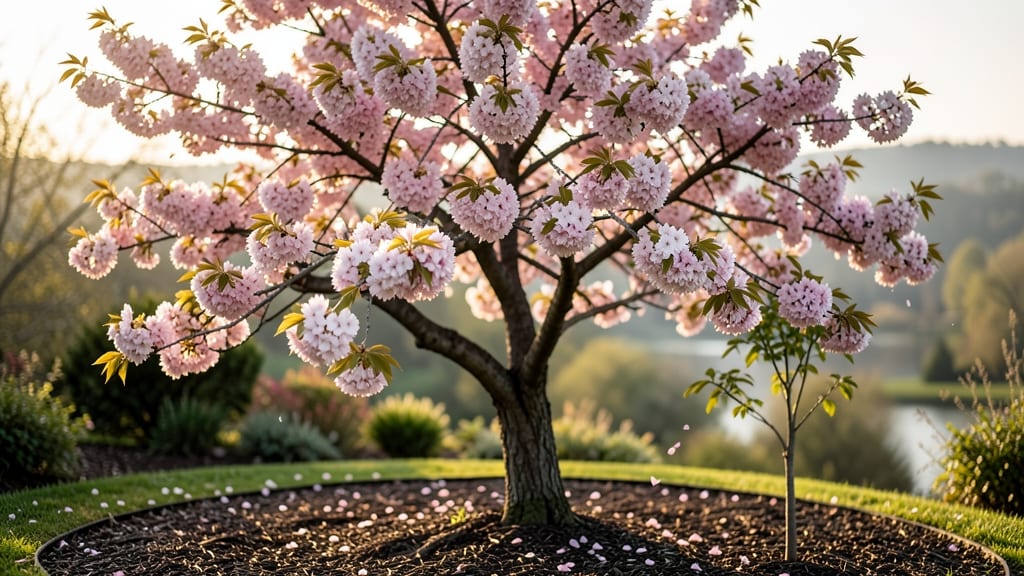
A cherry blossom tree can grow anywhere from 15 to 35 feet tall, depending on the variety you choose—so picking the right one for your space is the first step to success.
If you're dreaming of planting a cherry blossom tree but wondering how much space it'll need to thrive, you're not alone. Many gardeners overlook how dramatically these trees vary in height by species, from delicate dwarf varieties perfect for small yards to towering giants that dominate landscapes.
Standard cherry blossom trees like the iconic Yoshino can reach 30 feet, while dwarf cultivars like 'Compacta' stay under 15 feet. The right choice depends on your garden size, sunlight exposure, and whether you want a dramatic focal point or a subtle accent.
In this guide, I’ll break down mature heights by popular Prunus varieties, share tips for managing growth through pruning, and help you avoid common mistakes that can stunt your tree’s potential. Let’s find the perfect fit for your space!


Cherry blossom tree height by Prunus variety: mature size guide
Choosing a cherry blossom tree isn’t just about stunning spring blooms—it’s also about understanding how tall your Prunus variety will grow. Some varieties reach 30+ feet, while others stay compact at just 10 feet.
Your yard size, sunlight, and long-term vision all play a role in picking the right fit. Let’s break down the most popular Prunus serrulata and Prunus x yedoensis varieties by their mature heights, growth rates, and ideal climates.
If you’re working with limited space, dwarf varieties like Prunus 'Compacta' or Prunus 'Akebono' are game-changers. But if you want a dramatic focal point, standard varieties like Kwanzan or Yoshino will deliver breathtaking vertical impact.
Below, we’ll compare 10+ varieties so you can make an informed choice that aligns with your garden’s layout and your love for cherry blossoms.
🌱
| Variety | Mature Height | Growth Rate | USDA Zones | Best For |
|---|---|---|---|---|
| Prunus serrulata 'Yoshino' | 30–40 ft | Moderate (1–2 ft/year) | 5–8 | Large lawns, parks, statement trees |
| Prunus serrulata 'Kwanzan' | 25–35 ft | Moderate (1–2 ft/year) | 5–8 | Dramatic blooms, urban landscapes |
| Prunus serrulata 'Mount Fuji' | 15–20 ft | Slow (6–12 in/year) | 5–8 | Small yards, container planting |
| Prunus serrulata 'Compacta' | 10–15 ft | Slow (3–6 in/year) | 5–8 | Dwarf option, patios, small gardens |
| Prunus x yedoensis 'Akebono' | 12–18 ft | Moderate (1 ft/year) | 5–7 | Early blooms, small spaces |
| Prunus serrulata 'Shirotae' | 20–25 ft | Moderate (1–2 ft/year) | 5–8 | White blooms, traditional gardens |
| Prunus serrulata 'Autumnalis' | 25–30 ft | Moderate (1–2 ft/year) | 5–8 | Extended bloom season |
| Prunus serrulata 'Kiku-shidare-zakura' (Weeping Cherry) | 15–25 ft | Slow (6–12 in/year) | 5–8 | Graceful arches, small yards |
| Prunus serrulata 'Pink Perfume' | 20–25 ft | Moderate (1–2 ft/year) | 5–8 | Fragrant blooms, medium spaces |
| Prunus serrulata 'Shidare Yoshino' (Weeping Yoshino) | 12–18 ft | Slow (6–12 in/year) | 5–8 | Elegant weeping habit, small gardens |
When selecting a cherry blossom tree, consider not just its mature height but also its growth rate and spread. For example, the Yoshino cherry grows 1–2 feet per year and can reach 40 feet, making it ideal for large properties or parks.
In contrast, the Compacta variety stays under 15 feet and is perfect for patios or small urban gardens. Always check your USDA hardiness zone to ensure the variety thrives in your climate.
Another critical factor is your garden’s sunlight exposure. Most cherry blossom trees require full sun (6+ hours daily), but varieties like Autumnalis can tolerate partial shade.
If your space is shady, opt for a dwarf variety or a weeping cherry, which often adapts better to lower light conditions. Pair your tree with complementary plants like azaleas or hostas to create a layered, seasonal display.
For those with small yards, consider container planting. Varieties like Akebono or Mount Fuji thrive in large pots (20+ gallons) and can be moved seasonally. Just ensure the container has drainage holes and use a well-draining potting mix to prevent root rot.
Mulch around the base to retain moisture and regulate soil temperature, especially during hot summers.
If you’re planning for long-term growth, think about future pruning needs. Standard varieties like Kwanzan benefit from structural pruning in early spring to maintain shape and encourage blooms.
Meanwhile, weeping cherries require minimal pruning but may need occasional air-layering to control their sprawling branches. Always use sterilized pruners and seal cuts with pruning sealant to prevent disease.
🌿
Cherry blossom trees are stunning additions to any landscape, but their mature heights can range dramatically—from 15 feet for dwarf varieties to over 35 feet for standard types. The good news? You can manage their growth through strategic pruning and selecting the right compact cultivars. Whether you have a small urban yard or a spacious garden, these techniques will help you achieve the perfect-sized tree without sacrificing those breathtaking spring blooms. Pruning isn’t just about shaping—it’s a powerful tool to control height, encourage branching, and maintain a healthy tree. When done correctly, it can reduce a 30-foot tree’s growth by up to 30% over time. But timing and technique matter. For example, late winter or early spring pruning promotes vigorous blooming, while summer pruning can limit vertical growth. Pair this with the right dwarf or semi-dwarf varieties, and you’ll have a manageable tree that still delivers abundant flowers. If you’re working with a standard-sized tree, prune in three stages: first to remove dead or crossing branches, then to shape the canopy, and finally to limit vertical growth by cutting back the central leader. Use sharp, clean tools to avoid damaging the tree, and always prune just above a bud or lateral branch. For dwarf varieties, minimal pruning is often needed—their genetics keep them compact, but you can still trim to encourage fuller blooms. Another key strategy is root pruning during transplanting. If you’re planting a young cherry blossom, trimming the roots by 10-20% can redirect energy toward bushier growth rather than excessive height. Pair this with well-draining soil and regular mulching to support a healthier, more manageable tree. Over time, these methods will help you enjoy your cherry blossom’s beauty without the space constraints. Remember, the best time to prune is late winter or early spring, just before new growth begins. Avoid heavy pruning in fall, as it can stimulate tender growth that’s vulnerable to frost damage. With the right variety selection and pruning discipline, you’ll have a cherry blossom tree that fits your space perfectly while still dazzling with spring color. For small spaces, consider container-growing dwarf varieties like Prunus serrulata 'Mount Fuji', which stays under 12 feet tall. Just ensure the pot is at least 18 inches wide and has drainage holes to prevent root rot. With these tips, you’ll have a cherry blossom tree that’s as manageable as it is magnificent.How to control cherry blossom tree height through pruning and variety selection