
How To
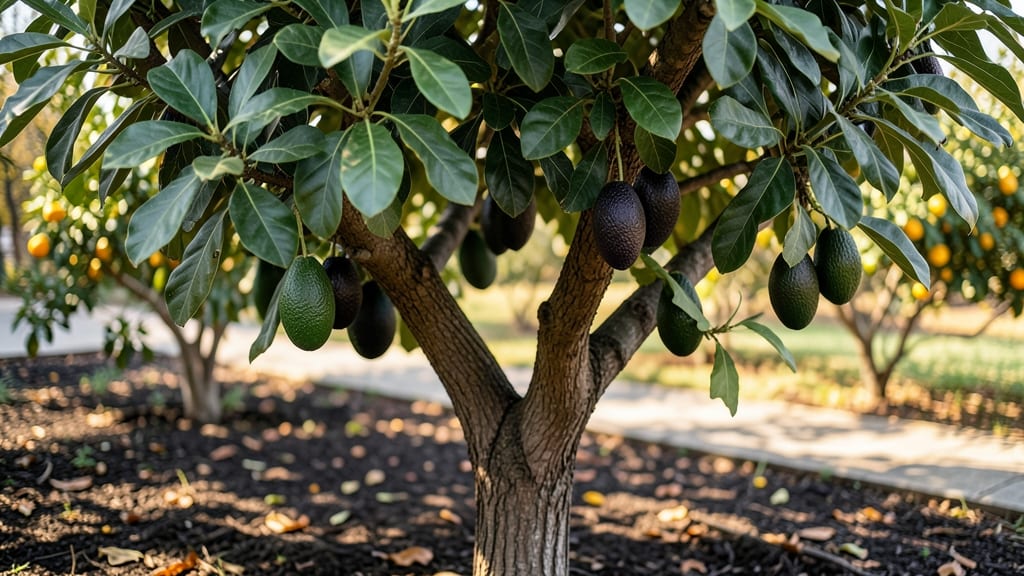
A Hass avocado tree can grow anywhere from 20 to 60 feet tall at maturity—🥑 that’s taller than most two-story homes! If you’re planning to grow one, size matters, especially when space is limited.
But here’s the catch: your Hass avocado tree’s height depends entirely on where you plant it. In a backyard with full sun and good soil, it’ll reach its full towering potential. Yet, in a container or with strategic pruning, you can keep it much smaller—even as a manageable houseplant.
Below, I’ll break down how growing conditions shape your tree’s height, from outdoor orchards to indoor bonsai-style setups, plus the key pruning tricks to control its growth without sacrificing fruit.
Ready to plan for your Hass avocado’s future height? Let’s dive into the details so you can choose the perfect spot—whether that’s a sprawling garden or a sunny windowsill.


Hass avocado tree height by growing conditions: indoor vs outdoor vs container
If you're wondering how tall does a Hass avocado tree grow, the answer depends entirely on where you plant it. In ideal outdoor conditions, these trees can reach 20-60 feet tall, towering over your backyard like a tropical giant.
But with the right care and container setup, you can keep one as a manageable indoor plant or bonsai-style tree. The key lies in understanding how growing conditions shape their height potential.
Outdoor Hass avocado trees thrive in USDA Zones 9b-11 where they have unlimited root space and full sun exposure. Without pruning, they'll naturally grow to their full standard size of 20-60 feet, with some reaching heights equivalent to a 3-story building.
However, even in outdoor settings, regular pruning can reduce height by 30-50% while maintaining a healthy fruit yield.
| Growing Condition | Mature Height | Growth Rate | Pruning Needs | Best For |
|---|---|---|---|---|
| Outdoor (Ground-Planted) | 20-60 ft | 1-3 ft/year | Structural pruning 2x/year | Backyard orchards, large properties |
| Container (Balcony/Patio) | 6-12 ft | 6-12 in/year | Regular top pruning every 3 months | Urban gardens, small spaces |
| Indoor (Bonsai Style) | 1-5 ft | 3-6 in/year | Frequent root pruning + wiring | Living spaces, decorative displays |
Indoor Hass avocado trees present a completely different growth scenario. When grown as a houseplant in containers, these trees rarely exceed 6-12 feet due to limited root space.
With proper container size (20+ gallons) and regular pruning, you can maintain a tree that fits comfortably in your living room while still producing fruit. The trade-off is slower growth—expect only 6-12 inches of height gain per year compared to outdoor trees.
For true bonsai enthusiasts, Hass avocado trees can be shaped into miniature masterpieces under 1-5 feet tall. This requires specialized techniques like root pruning every 6-12 months, wiring branches for shaping, and using smaller containers to restrict growth.
The growth rate slows dramatically to just 3-6 inches per year, but the reward is a stunning ornamental tree that doubles as a fruit producer.
Container-grown Hass avocados offer the most flexibility for urban gardeners. With the right 15-20 gallon pot and well-draining potting mix, you can keep your tree between 6-12 feet tall while enjoying fresh fruit.
The key is regular pruning—cutting back 25-30% of new growth in spring and summer prevents the tree from outgrowing its space. Remember to repot every 2-3 years to accommodate root growth.
One common misconception is that container size alone determines height. While root restriction does limit growth, it's the combination of container size, pruning frequency, and sunlight exposure that truly controls height.
For example, a Hass tree in a 5-gallon pot might only reach 3-4 feet, but the same tree in a 20-gallon pot with minimal pruning could hit 8-10 feet within 5 years.
Sunlight plays a crucial role in height regulation. Outdoor trees in full sun (6+ hours daily) grow significantly taller than those in partial shade, which may only reach 15-25 feet.
Indoor trees need south-facing windows or grow lights to maintain healthy growth rates. Without sufficient light, your Hass avocado will grow leggy and weak, with elongated stems but stunted height gains.
Pruning isn't just about height control—it's essential for fruit production. When growing Hass avocados in containers, focus on open-center pruning to improve air circulation and sunlight penetration to the center of the tree.
This technique helps maintain a balanced shape while encouraging fruit-bearing branches throughout the tree's structure. Always use sterilized pruning shears and make cuts just above outward-facing buds.
If you're growing your Hass avocado in a cold climate, container growing becomes essential. These trees cannot tolerate frost and must be moved indoors when temperatures drop below 40°F.
Even with seasonal indoor stays, your tree will naturally grow shorter than outdoor counterparts due to the seasonal growth interruption. To maximize height in these conditions, provide consistent warmth (65-80°F) and 12-14 hours of light daily during winter months.
For maximum height control, combine pruning with proper fertilization. Use a balanced 6-6-6 NPK fertilizer in spring and summer to encourage controlled growth. Avoid heavy nitrogen fertilizers which promote leafy growth at the expense of height control.
Instead, focus on micronutrients like zinc and iron which support overall tree health and structural integrity.
How to control Hass avocado tree height: pruning techniques for small spaces
Controlling the height of your Hass avocado tree is essential if you're working with limited space. Without proper pruning, these trees can reach 20-60 feet tall, which is impractical for most home gardens.
The good news? Strategic pruning can keep your tree manageable while ensuring healthy fruit production. Start by understanding that structural pruning in early years sets the foundation for a compact, productive tree.
Pruning isn't just about cutting branches—it's about encouraging bushier growth and maintaining an open canopy for airflow. For Hass trees, the best time to prune is during late winter or early spring, just before new growth begins.
This timing allows the tree to heal quickly and focus energy on fruit production rather than regrowing lost branches. Avoid heavy pruning in summer or fall, as this can stress the tree and reduce next year's harvest.
Step-by-Step Pruning Guide for Hass Avocado Trees
-
1
Assess the Tree Structure
Examine the tree for dead, diseased, or crossing branches. Remove these first to improve airflow and reduce disease risk. -
2
Set Your Height Goal
Decide on your desired height (e.g., 6-8 feet for containers). Use a measuring tape to mark target branch lengths. -
3
Prune for Bushier Growth
Cut back vertical growth by 1/3 to encourage lateral branches. Focus on the upper third of the tree first. -
4
Thin the Canopy
Remove 1-2 branches per year to maintain an open center. This prevents overcrowding and improves fruit access. -
5
Sanitize Tools
Use 70% isopropyl alcohol to clean pruning shears between cuts. This prevents bacterial or fungal spread. -
6
Monitor Growth
Check the tree monthly for new growth. Adjust pruning in late winter if branches exceed your target height.
When pruning, always use sharp, clean tools to make smooth cuts just above a bud or lateral branch. Avoid leaving stubs, as they can attract pests or disease. For container-grown Hass trees, you may need to prune more aggressively to prevent root-bound stress.
Remember, patience is key—don’t remove more than 25% of the canopy in a single session, or you risk shocking the tree.
Encouraging bushier growth doesn’t mean sacrificing fruit production. In fact, a well-pruned Hass tree will yield more accessible, higher-quality avocados because sunlight and nutrients reach all branches evenly. Focus on balanced pruning—cutting back both vertical and horizontal growth—to maintain a compact yet productive tree structure.
This approach works especially well for container gardening, where space is limited.
If you’re growing your Hass avocado in a container, choose a large pot (at least 15-gallon capacity) and prune regularly to prevent the tree from outgrowing its space. Container trees may need annual root pruning too—gently tease the roots when repotting to encourage outward growth.
With consistent care, you can enjoy a manageable-sized Hass tree that produces fruit year-round, even in small spaces.
Don’t forget to fertilize lightly after pruning to support new growth. Use a balanced organic fertilizer (like 6-6-6) in early spring to give your tree the nutrients it needs for recovery and fruit development.
With the right pruning techniques, your Hass avocado tree can thrive at a height that fits your garden—whether that’s 6 feet for containers or 10-12 feet for in-ground planting.