
How To
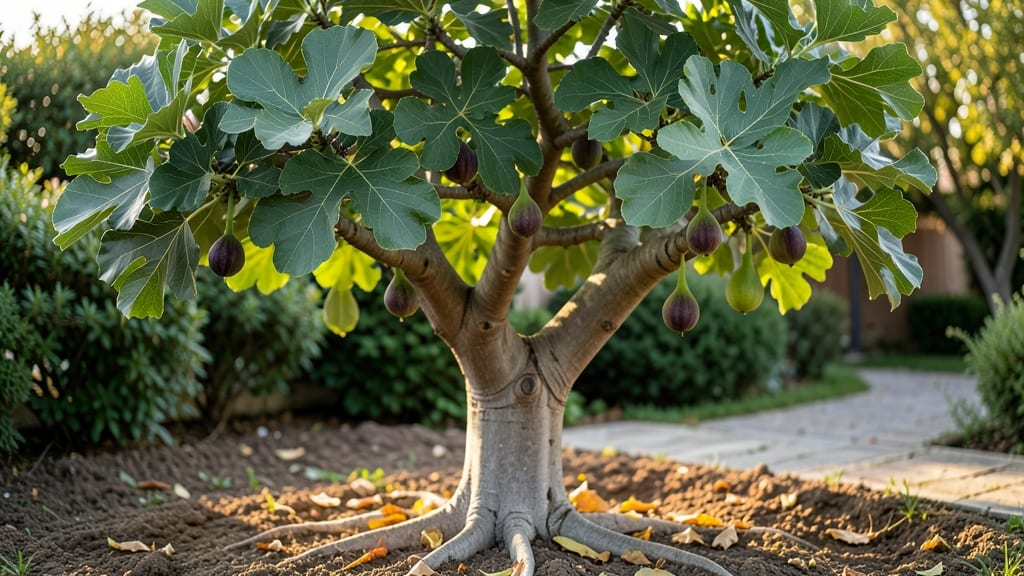
How tall does a fig tree grow? It ranges anywhere from 8 feet for dwarf varieties to towering 50 feet for wild types, with most garden varieties landing between 15 and 30 feet at maturity.
Picture this: a Little Miss Figgy dwarf variety hugging your patio like a living centerpiece, while a Celeste fig tree stretches toward the sky like a small oak. That’s the range you’re dealing with—and it’s why choosing the right variety for your space isn’t just about aesthetics, but survival.
Climate plays a huge role: in USDA Zone 6a, where winters can nip at tender leaves, some varieties stay compact, while others bolt upward if left unchecked. Pruning isn’t just about shaping—it’s the game-changer for controlling height, especially in small yards or containers.
Below, I’ll break down the height differences by variety, how to keep yours in check, and which compact types thrive even in tight spaces—so you can plan your garden without sacrificing that dream fig harvest.


Fig tree height by variety: dwarf vs standard vs giant sizes
Fig trees offer an incredible range of sizes, from compact patio varieties to towering ornamental giants. Your space and gardening goals determine which category suits you best.
Dwarf varieties stay between 6-12 feet, perfect for containers or small yards, while standard types reach 20-30 feet, ideal for large landscapes. Giant varieties can even exceed 50 feet in optimal conditions.
Genetics play the biggest role in determining height, but climate, pruning habits, and rootstock choices also influence growth. For example, the 'Little Miss Figgy' variety stays under 8 feet with proper care, while the 'Celeste' fig can soar to 40 feet without intervention.
Understanding these differences helps you plan your garden layout and maintenance routine.
The comparison table below breaks down height ranges by category, including popular varieties and their mature dimensions. This visual guide makes it easy to compare options at a glance.
Dwarf varieties like 'Little Miss Figgy' are bred on dwarfing rootstock, which naturally limits their height. These trees thrive in containers or small garden beds while still producing abundant fruit. Their compact size makes them ideal for urban gardens or patios where space is limited.
However, even dwarf varieties may grow slightly taller in ideal growing conditions with rich soil and full sun.
Standard varieties, such as the popular 'Brown Turkey', strike a balance between manageable size and productivity. These trees typically reach 20-30 feet at maturity, making them suitable for larger backyards.
Their upright growth habit allows for easy integration into landscape designs, but they require regular pruning to maintain shape and prevent overgrowth. In cooler climates, standard varieties may grow more slowly but still achieve impressive heights.
Giant fig varieties like 'Celeste' are often grown for their ornamental value rather than fruit production. Without pruning, these trees can reach 50 feet or more, creating a stunning focal point in large properties.
They thrive in warm climates with minimal frost, where their natural growth habit can be fully expressed. For home gardeners, these varieties are best suited to rural settings where their size won't interfere with other plants or structures.
Environmental factors like sunlight exposure, soil quality, and water availability also influence fig tree height. Trees grown in full sun with well-draining soil tend to grow faster and taller than those in shaded or poor-quality soil.
Additionally, regular pruning can significantly reduce height, especially in standard and giant varieties. Pruning not only controls size but also encourages better fruit production and improves air circulation.
If you're growing fig trees in containers, dwarf varieties are the best choice. Their compact size makes them perfect for balconies or small patios, but even container-grown trees benefit from occasional pruning to maintain their shape.
Use a large container with drainage holes and a high-quality potting mix to support healthy growth. Remember that container-grown fig trees may grow slightly slower than those planted in the ground but can still reach their mature height with proper care.
For those in cooler climates, choosing a dwarf or semi-dwarf variety is essential. These trees are more cold-hardy and less likely to suffer damage from frost. Varieties like 'Chicago Hardy' or 'Desert King' are excellent choices, as they combine compact size with cold tolerance.
Even in these varieties, proper winter protection, such as mulching and wrapping the trunk, can help maintain their height and productivity over time.
When selecting a fig tree, consider not only its mature height but also its growth rate and fruit production. Some dwarf varieties may grow slowly but produce fruit earlier, while others grow faster but take longer to bear fruit.
For example, 'Little Miss Figgy' is known for its quick fruiting and compact size, making it a great choice for small spaces. Always research the specific variety to ensure it meets your gardening goals and space constraints.
Understanding the height potential of fig trees helps you make informed decisions about placement and care. Whether you choose a dwarf variety for your patio or a standard type for your backyard, each category offers unique benefits.
With the right variety and care, you can enjoy a productive and beautiful fig tree that fits perfectly into your garden.
How to control fig tree height: pruning and growing tips for small spaces
Controlling your fig tree height starts with understanding its natural growth patterns. Without intervention, even dwarf varieties can grow taller than expected, while standard types may reach 20-30 feet in ideal conditions. The key lies in pruning techniques and strategic growing methods tailored to your space.
I’ve learned that timing and technique make all the difference. Pruning at the right time—just after harvest or during late winter—encourages bushier growth while keeping your tree manageable. For container-grown figs, this approach is even more critical since root restrictions naturally limit height but require careful pruning to maintain shape.
⚠️ WARNING: Common Mistakes That Cause Uncontrolled Growth
Over-Pruning Young Trees
Cutting back too aggressively in a fig tree's first 2-3 years can stunt its growth permanently. Figs produce new branches from old wood, so heavy pruning removes potential fruit-bearing stems.
Ignoring Rootstock Influence
Dwarf varieties grafted onto standard rootstock may still grow taller than expected. Always verify the rootstock type when purchasing to avoid surprises.
Pruning at the Wrong Time
Trimming during active growth periods (spring/summer) can trigger vigorous new shoots. Late winter pruning (just before buds swell) is ideal for controlled height.
For container gardening, I recommend using 5-gallon pots for dwarf varieties like 'Little Miss Figgy' and upgrading to 15-gallon containers for semi-dwarf types. The confined space naturally limits height, but you’ll still need to prune to encourage outward growth rather than upward.
Seasonal care plays a huge role. In winter zones (6a and colder), protect young trees with burlap wraps and mulch to prevent frost damage that can weaken growth. During summer, drip irrigation keeps roots cool and prevents the stress that leads to rapid, unchecked height spikes.
My best tip? Shape your tree while young. By training branches outward using spreaders or stakes, you create a naturally bushier form that stays lower. This works especially well for patio-friendly varieties like 'Desert King,' which tops out at 8-10 feet with proper care.
Remember, fig trees reward patience. With consistent pruning and container management, you can enjoy homegrown figs without sacrificing your garden's layout. Start small, observe growth patterns, and adjust your approach each season—your tree (and your space) will thank you! 🌱