
Propagation
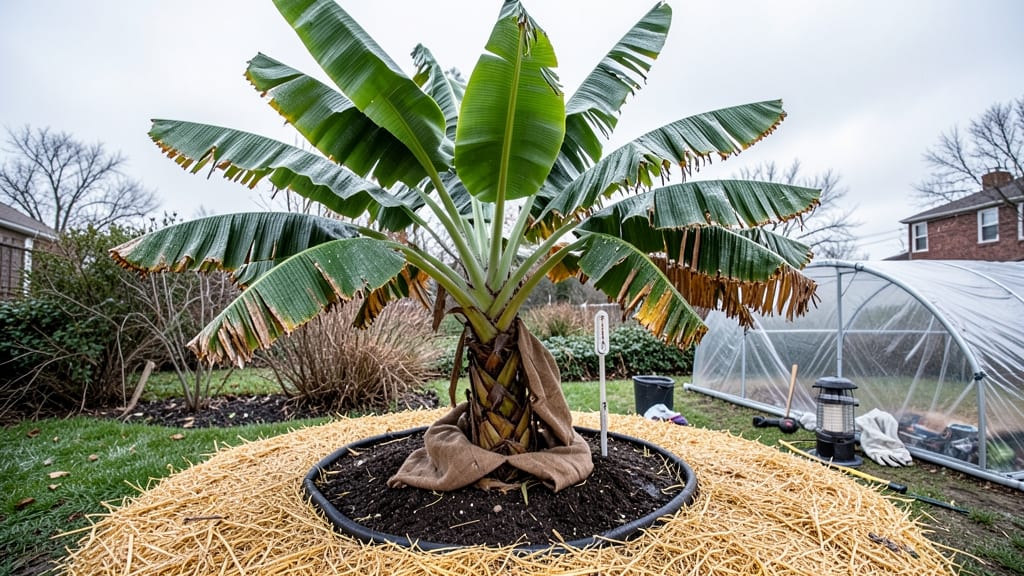
Protecting banana trees from frost isn't just about survival—it's about giving them a fighting chance to bounce back stronger. 🌱 I've seen these tropical giants go from lush and leafy to crispy in a single night, but with the right moves, you can save them.
The key is acting fast when temperatures dip below 32°F, whether you're dealing with a potted plant or one planted in the ground.
Start with the basics: mulch heavily around the base with straw or leaves to insulate roots, and water deeply the day before frost hits to help store moisture. For potted banana trees, move them to a sheltered spot like a garage or against a south-facing wall.
If that’s not possible, cover the pot with burlap or cardboard to trap heat and shield from wind.
When frost hits, drape heavy blankets or frost cloth over the entire plant, securing edges with bricks or stakes. Avoid plastic—it traps cold air and can scorch leaves. After the freeze, inspect for damage: blackened leaves can be pruned away, but keep any green growth.
The roots are surprisingly resilient, so don’t give up if the top looks rough.
Recovery takes time, but with patience, your banana tree will surprise you. Fertilize lightly in spring to encourage new growth, and watch for fresh shoots emerging from the base. Even if it’s not the same plant, you’ll likely get a new trunk—and that’s a win in frost country.
📚 In This Guide
- What you need
- Instructions
- Tips and common mistakes
- Wrapping up and next steps
What you need
- ● Frost cloth or row covers: 1–2 heavy-duty covers (rated for 20–30°F), sized to drape fully over the tree (e.g., 5’x7’ for small plants, larger for mature trees).
- ● Burlap sacks or old blankets: 2–3 (natural fibers work best; avoid plastic).
- ● Stakes or PVC pipes: 4–6 (1–2” diameter, 3–4’ tall) to create a frame for covers.
- ● Twine or zip ties: 1 roll (for securing covers without crushing leaves).
- ○ Plastic tarps (optional): 1–2 (clear or black, only if paired with insulation—never as a sole cover!).
- ● Mulch (straw, pine needles, or leaves): 3–4 inches thick, spread in a 2–3’ radius around the base.
- ● Watering can or hose: For pre-frost hydration (1 gallon per plant).
- ● Scissors or pruners: For trimming excess stakes or adjusting covers.
- ● Ladder (if needed): For tall trees—safety first!
- ○ Thermometer (optional): To monitor temps (aim to keep the tree above 28°F).
- ○ String lights (optional): Battery-powered, for visibility if working at night.
Emergency frost protection for banana trees: Step-by-Step covering
When temperatures drop below 32°F, banana trees need immediate protection. Here's my battle-tested method to shield your tropical plants from frost damage.
🌱 Step 1: Prepare the Tree for Covering
Start by gently tying the banana leaves together with twine to create a tight bundle. This prevents them from snapping under the weight of frost coverings. I usually work from the bottom up, securing each leaf stem before moving upward—this keeps the plant stable during covering.
Next, trim any dead or damaged leaves with clean pruners. Frost can worsen injuries on already-compromised foliage. Focus on removing leaves that are brown, yellow, or brittle to the touch. This step isn't just about aesthetics; it reduces the tree's overall surface area exposed to cold air.
🪴 Step 2: Set Up Physical Barriers
Place cardboard boxes or wooden pallets around the base of the tree to create a windbreak. Frost damage often comes from wind chill, so reducing airflow is critical. Position the barriers at least 12 inches away from the trunk to allow air circulation while still blocking cold gusts.
Fill any gaps between the barriers and the ground with mulch or straw to prevent cold air from seeping in from below. I like to mound the mulch 4-6 inches deep around the base—this acts like insulation and keeps the roots warmer overnight.
💧 Step 3: Apply Frost Blankets and Coverings
Drape frost cloth or blankets loosely over the tree, securing them with clips or bricks at the edges. Avoid pulling the fabric too tight—you want air to circulate slightly so moisture doesn’t build up and cause rot. Start covering at dusk, before temperatures drop below 40°F, to give the tree time to adjust.
For extra protection, add a clear plastic sheet over the frost cloth. This creates a mini greenhouse effect, trapping heat. Prop the plastic 6-12 inches above the tree with stakes or bricks to allow air circulation while still capturing warmth. Check periodically during the night to ensure the plastic isn’t touching the leaves.
☀️ Step 4: Monitor and Adjust Overnight
Set up a thermometer near the tree to track temperatures. If the reading drops below 28°F, add an extra layer of covering or a heat source like a string light (wrapped in a reflective material) near the base. Never use open flames—banana trees are highly flammable when stressed.
Check the tree every 2-3 hours during the night. If condensation builds up on the coverings, lift them briefly to let excess moisture escape. Wet coverings lose their insulating properties, and damp leaves are more susceptible to frost damage. By dawn, remove all coverings immediately to allow sunlight to warm the tree.
⏰ Step 5: Post-Frost Care and Recovery
After the frost passes, inspect the tree for damage. Leaves that feel mushy or blackened are beyond saving—trim them back to healthy green tissue. Focus on the new growth at the base, as this is where the tree will regenerate. Avoid fertilizing for at least 2 weeks post-frost; the tree needs energy to recover, not to produce new leaves.
Water the base deeply if the soil feels dry to the touch. Frost can dehydrate roots, so aim for 1-2 inches of water per week during recovery. Mulch heavily around the base to retain moisture and continue insulating the roots. With proper care, banana trees often bounce back within 4-6 weeks, producing new fronds from the center.
Tips & tricks for protecting banana trees in freezing weather
Keeping your banana trees safe during unexpected cold snaps requires a few smart prep moves that make all the difference. These battle-tested strategies will help you avoid common mistakes that leave plants vulnerable.
Timing is Everything: Start covering at dusk when temperatures approach 40°F, not when frost hits. This gives the tree time to adjust to the covering before the cold sets in. I've seen too many gardeners rush this step and end up with condensation trapped inside coverings—waiting until the right moment prevents this entirely. The goal is to create a stable microclimate, not a sauna.
Layering Matters: When temperatures drop below 28°F (as mentioned in Step 4), add that extra layer of frost cloth or even a lightweight blanket. I've used old towels in a pinch, but frost-specific materials work best because they're breathable yet insulating. The key is to avoid suffocating the plant—leave small gaps at the bottom for air circulation. This prevents moisture buildup that can actually harm the leaves more than the cold.
Root Protection Secret: Don't overlook the roots! The 4-6 inches of mulch around the base (Step 2) should extend out to the tree's drip line—the area where leaves naturally reach when the tree is mature. I've seen gardeners skip this and end up with frozen roots that take months to recover. For extra insulation, you can even mound additional mulch or straw after the initial setup if your forecast predicts prolonged sub-freezing temperatures.
Morning Check is Critical: Those 2-3 hour checks overnight (Step 4) might seem like overkill, but they're what separates a saved tree from a damaged one. I've had nights where condensation built up so heavily that the coverings became dripping wet by morning. Lifting them briefly to let moisture escape makes all the difference—just 5 minutes every couple of hours can prevent rot that would otherwise kill your tree.
Pro Tips for Protect Banana Tree From Frost
- Keeping your banana trees safe during unexpected cold snaps requires a few smart prep moves that make all the differe...
- Timing is Everything: Start covering at dusk when temperatures approach 40°F, not when frost hits. This gives the tre...
- Layering Matters: When temperatures drop below 28°F (as mentioned in Step 4), add that extra layer of frost cloth or ...
Frequently asked questions
about protecting banana trees from frost—because even tropical plants need a little TLC when temperatures drop! Here are answers to the most common concerns:What’s the exact temperature at which banana trees start getting frost damage?
Banana trees typically suffer frost damage below 32°F (0°C), but younger leaves and emerging shoots can be hurt by temps as mild as 40°F (4°C). If a hard frost (28°F/-2°C or lower) is forecasted, act fast—covering is critical. Pro tip: Monitor local weather alerts for "frost advisories" to stay ahead!
How early can I cover my banana tree before frost hits?
Cover your tree at dusk or when temps drop below 45°F (7°C)—even if frost isn’t confirmed. Banana trees are sensitive to radiation frost (clear, calm nights), so early prep is better. Remove covers by 10 AM to avoid overheating. Pro tip: Use a thermometer to track temps if you’re unsure!
Can I use plastic sheeting directly on banana leaves without harming them?
No—plastic touching leaves can cause burns from trapped heat or moisture. Instead, use breathable materials like frost cloth, burlap, or cardboard boxes with gaps. If you must use plastic, prop it up 6+ inches above the plant to allow airflow. Pro tip: Secure edges with bricks or stakes to trap warm air!
Will my banana tree survive if it’s already been frosted? How do I know if it’s dead?
Frosted banana trees often look dead but aren’t! Check for green tissue at the base of the trunk or new shoots—these are signs of life. If the corm (thick base) is still firm, prune damaged leaves and cover it for the next frost. If the corm is mushy or black, it’s likely dead. Pro tip: Wait 2–3 weeks before giving up—banana trees are resilient!
Are there frost-resistant banana varieties I can grow in colder climates?
Yes! Look for hardy varieties like:
- Dwarf Cavendish (tolerates brief dips to 28°F/-2°C)
- Red Dacca (survives 25°F/-4°C with protection)
- Bluggoe (a cold-hardy hybrid for zones 7–9)
Even these need winter covering, but they’re your best bet for cooler areas. Pro tip: Plant near south-facing walls to absorb daytime heat!
Wrapping up and next steps
Protecting your banana trees from frost doesn’t have to be stressful—just strategic! 🌱 With the right covers, mulch, and a little prep, you can shield your tropical friends from chilly damage and give them a fighting chance.
Remember, act fast when frost warnings hit, and always monitor your trees to adjust coverings as needed.
Now that you’re armed with these emergency tricks, why not take it a step further? Consider planting frost-resistant varieties or exploring microclimate solutions (like windbreaks) to create a cozier spot for your banana trees year-round. Your green thumb is about to shine brighter than ever! 🌿✨