
Pruning
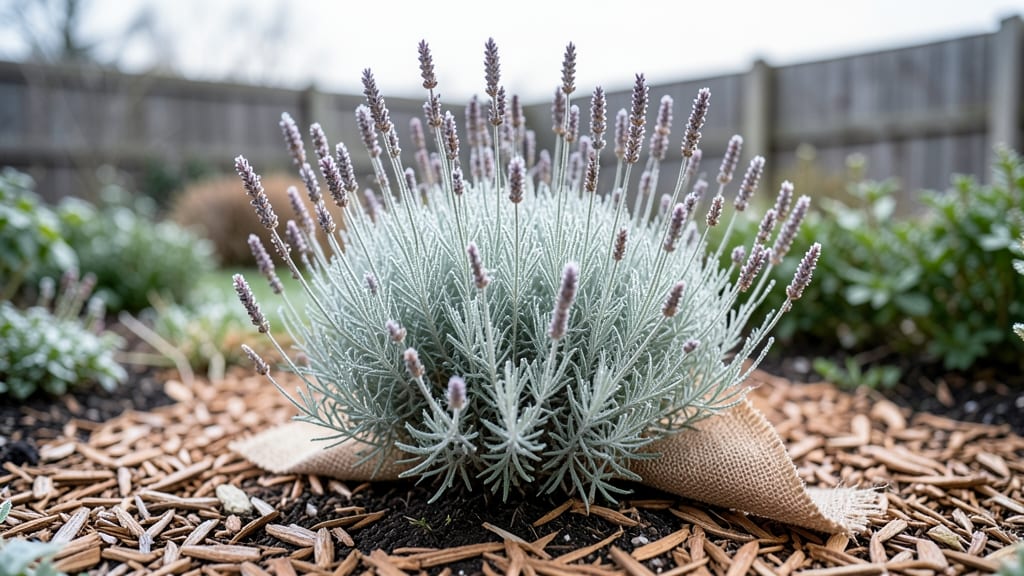
Your lavender tree’s winter care starts with one critical move—protecting its woody stems from frost cracks. ✨ I’ve watched lavender trees go from crispy winter casualties to thriving spring bushes by adjusting just a few habits, and the secret lies in timing, insulation, and knowing when to hold back.
The biggest mistake? Pruning too late or too early—both can signal winter dormancy too soon. Instead, wait until late winter (just before new growth starts) to trim back any frost-damaged branches.
Mulch heavily around the base with 3-4 inches of straw or wood chips, but keep it 6 inches away from the trunk to prevent rot. By spring, you’ll see fresh green shoots pushing through, and the fragrance will return stronger than ever.
The key is balancing protection without smothering the plant—think cozy, not suffocating. Works for both Mediterranean lavender and hardier varieties like Lavandula x intermedia. Here’s how to adapt for your climate zone!
📚 In This Guide
- What you need
- Instructions
- Tips and common mistakes
- Wrapping up and next steps
What you need
- ● Pruning shears – Sharp, bypass-style shears (avoid anvil-type) to make clean cuts. Size: 6-8" blades for precision.
- ● Gloves – Heavy-duty, gardening gloves (waterproof, with reinforced palms) to protect against thorns and cold.
- ● Mulch – Organic mulch like straw, pine needles, or shredded leaves (3-4 inches deep) to insulate roots.
- ● Frost cloth or burlap – Breathable fabric (50-70% shade coverage) to wrap the tree if temps drop below 20°F (-6°C).
- ● Watering can or hose – For deep but infrequent watering (avoid soggy soil).
- ○ Stakes and twine – Optional but helpful if your lavender tree is tall or top-heavy (use 3-4 stakes, 12-18" long).
- ● Anti-desiccant spray – A light horticultural oil to prevent winter drying (spray lightly on foliage before frost).
- ● Soil thermometer – To monitor root-zone temps (ideal: 40-50°F (4-10°C) for dormancy).
- ● Compost or slow-release fertilizer – Balanced 10-10-10 (1 tbsp per square foot) in early spring to wake up roots.
- ● Mini greenhouse or cold frame – For potted lavender trees in harsh climates (below 15°F (-9°C)).
Step-by-Step guide to protecting your lavender tree through winter
Here’s how I keep my lavender trees thriving year-round—no frost damage in sight.
☀️ Step 1: Assess Your Lavender Tree’s Hardiness Zone
First, check your USDA hardiness zone—lavender trees (Lavandula spp.) thrive in zones 7-9, while cold-hardy varieties like Lavandula angustifolia ‘Hidcote’ can handle zone 5 with protection. If you’re in zone 6 or colder, your tree will need extra care. I always verify by checking the tag or researching my specific cultivar.
This ensures you’re not overprotecting a hardy variety or leaving a tender one vulnerable. For example, English lavender (L. angustifolia) tolerates 10-15°F, while Spanish lavender (L. stoechas) struggles below 20°F. Adjust your strategy based on your tree’s exact type.
🪴 Step 2: Prune for Winter Resilience Before Frost
Prune your lavender tree in late summer or early fall—never after October 1st—to encourage new growth that hardens off before winter. Cut back one-third of the oldest stems to the base, focusing on leggy or overcrowded branches. This prevents weak, frost-sensitive growth from forming.
Use clean, sharp shears to make cuts at a 45-degree angle just above a leaf node. Avoid heavy pruning in fall if your tree is already stressed—wait until spring if needed. The goal is to shape the tree while preserving its natural structure for winter protection.
❄️ Step 3: Apply Mulch and Insulation for Cold Snaps
Spread a 3-4 inch layer of organic mulch (like straw or shredded bark) around the base of the tree, but keep it 6 inches away from the trunk to prevent rot. This insulates roots from freezing soil. For extra protection in zone 5 or colder, wrap the trunk and branches with burlap or frost cloth, securing it loosely with twine.
I also add a lightweight row cover over the entire tree if heavy snow or ice is forecasted. This traps warmth without suffocating the plant. Avoid plastic—it traps moisture and can cause rot. Check weekly to ensure the cover isn’t trapping excess moisture.
💧 Step 4: Adjust Watering Before and During Dormancy
Reduce watering in late fall—lavender trees need less moisture as they enter dormancy. Water deeply every 3-4 weeks until the ground freezes, ensuring the root zone stays slightly moist but not soggy. Overwatering before winter can weaken roots, making them more susceptible to cold damage.
Once temperatures drop below 32°F, stop watering entirely unless your area experiences thaw cycles. In spring, resume watering lightly in March to encourage new growth, then increase as temperatures rise. Watch for wilting or brown stems—a sign of either drought or frost damage.
⏰ Step 5: Monitor and Respond to Frost Events
Keep an eye on the weather forecast and act quickly if a hard freeze (below 20°F) is predicted. On the night before, water the base of the tree deeply—this releases heat as the water freezes, providing a 5-10°F buffer. Then, cover the tree with a thick blanket or frost cloth secured with bricks or stakes.
Remove the cover on sunny days to prevent overheating or mold. If ice forms on the branches, gently tap it off rather than scraping—lavender wood is brittle and can snap under pressure. After a frost, inspect for blackened or mushy stems, which indicate irreversible damage and should be pruned in spring.
Tips & tricks for protecting lavender trees through winter
These battle-tested strategies will help you keep your lavender thriving even when Jack Frost knocks.
Hardiness Zone Deep Dive: Don't just guess your zone—use the USDA map and cross-reference with your specific lavender cultivar. English lavender can handle 10-15°F while Spanish varieties need protection above 20°F. I keep a printed zone map near my tool shed so I can verify quickly during sudden cold snaps.
Pruning Precision: When you're cutting back those one-third of oldest stems in Step 2, focus on the 45-degree angle cuts just above leaf nodes. This isn't just about aesthetics—proper cuts prevent moisture from pooling at the stem base, which can lead to winter rot. I mark my pruning shears with tape at the ideal cutting height as a visual reminder.
Mulch Matters: That 3-4 inch layer of organic mulch you spread in Step 3 should be fluffier than you think—pack it lightly so it traps air for insulation. I use straw because it breaks down slowly and won't compact like wood chips. Pro tip: Sprinkle a thin layer of diatomaceous earth (optional) on top before adding mulch to deter voles that might tunnel through.
Frost Event Readiness: Before that hard freeze hits, set out your frost cloth and blankets the night before so you're not scrambling. I keep a weather alert app on my phone that sends push notifications for sudden temperature drops below 20°F. When you water deeply before covering (as in Step 5), use lukewarm water—cold water can shock the roots just when they need that 5-10°F buffer.
Pro Tips for Lavender Tree Winter Care
- These battle-tested strategies will help you keep your lavender thriving even when Jack Frost knocks.
- Hardiness Zone Deep Dive: Don't just guess your zone—use the USDA map and cross-reference with your specific lavender cultivar.
- Pruning Precision: When you're cutting back those one-third of oldest stems in Step 2, focus on the 45-degree angle cuts just above leaf nodes.
Frequently asked questions
When should I prune my lavender tree for winter?
Prune your lavender tree after the first hard frost (typically late fall) but before new growth in early spring. This timing helps protect it from cold snaps while removing dead or overgrown stems. Avoid heavy pruning in late winter—lavender hates being cut back too aggressively when it’s dormant.
How cold can lavender trees tolerate?
Most lavender varieties handle temperatures down to 15–20°F (-9 to -7°C), but tender types (like Lavandula stoechas) may need winter protection below 25°F (-4°C). If you’re in a colder zone, mulch the base with 3–4 inches of straw or bark and consider a frost cloth for extra insulation.
Do I need to water my lavender tree in winter?
Water sparingly—only if the soil is bone-dry. Overwatering in winter can suffocate roots or cause rot. Aim for deep but infrequent watering (every 3–4 weeks) unless you’re in a drought-prone area. Let the soil dry out completely between waterings to mimic its natural Mediterranean climate.
What if my lavender tree looks brown or crispy after winter?
Don’t panic! Lavender often turns brown in winter due to frost, but it’s usually just dormant. Trim back dead stems in early spring, and healthy green growth should return. If no new growth appears by late spring, your plant may need replanting in sunnier, well-draining soil.
Can I grow lavender indoors over winter?
While possible, lavender thrives outdoors and struggles indoors long-term. If you must bring it inside (e.g., for a cold snap), place it near a sunny window and avoid heat sources like vents. After winter, acclimate it gradually back outside to prevent shock. Potted lavender often declines indoors due to low light and humidity.
Pro tip: Mark your calendar for late February—that’s when most lavender trees start waking up and need a light pruning to shape them for spring!
Wrapping up and next steps
Caring for your lavender tree in winter doesn’t have to be stressful—just follow these frost-proof tips to keep it thriving year-round! 🌿❄️ With the right pruning, mulching, and protection, your tree will reward you with vibrant blooms and lush foliage come spring.
Now that you’re armed with the know-how, take action—schedule your winter maintenance before the first hard freeze hits, and your lavender will thank you for years to come!
Next step: Grab your tools and start planning your winter lavender care routine today!