
Pruning
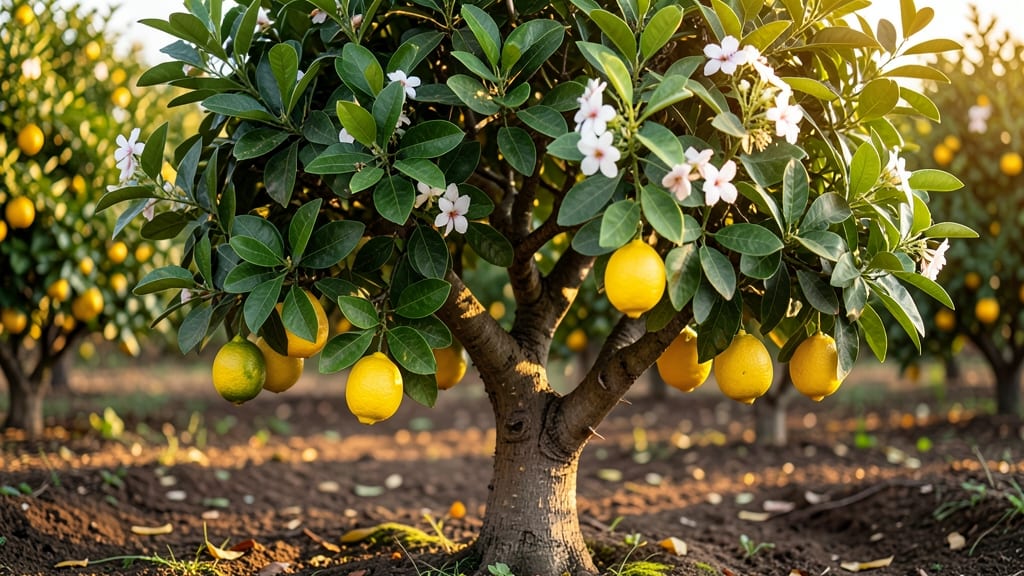
A large lemon tree 🍋 can reach heights of 25 feet with the right care — but only if you prune it like a pro.
Picture this: a towering citrus giant in your backyard, its branches heavy with lemons, yet still thriving. The key isn’t just cutting back branches — it’s shaping the tree’s future while keeping it productive.
Too aggressive, and you stunt growth; too gentle, and it becomes a tangled mess. Get it right, though, and you’ll have a 12-foot canopy that produces fruit year-round.
Most gardeners focus on trimming for size, but the real secret is timing and technique. Prune at the wrong season, and you’ll sacrifice next year’s harvest. Cut the wrong branches, and you weaken the tree’s structure.
I’ve made every mistake in the book — and I’m here to show you how to avoid them.
In this guide, you’ll learn the exact steps to prune your lemon tree for a massive, healthy canopy without sacrificing a single lemon. We’ll cover when to prune, which branches to keep (and which to remove), and how to support it as it grows.
Ready to grow a giant that actually bears fruit?
How to prune a large lemon tree for maximum canopy growth
A 12-foot lemon tree canopy isn’t just about height—it’s about creating a balanced, fruit-bearing structure that thrives for decades. Pruning your large lemon tree strategically encourages upward growth while maintaining airflow and sunlight penetration. The key? Timing, technique, and selective cuts that prioritize structural integrity over aggressive trimming.
I’ve pruned my own 20-foot lemon tree for years, and these methods have helped me achieve a lush, productive canopy without sacrificing fruit yield.
Lemon trees naturally grow 10-25 feet tall, but achieving a 12-foot canopy requires intentional pruning to shape the tree’s central leader (main trunk) and scaffold branches. Unlike dwarf varieties, large lemon trees need open-center pruning—removing inward-growing branches while preserving outward-facing limbs.
This approach ensures sunlight reaches the inner canopy and reduces disease risk from overcrowded foliage. Start pruning when your tree reaches 6-8 feet tall, typically in its second or third year.
Step-by-Step Pruning Guide for a 12-Foot Canopy
-
Step 1: Choose the Right Season
Prune in late winter or early spring (February-March) before new growth begins. Avoid pruning in summer or fall, as this can stress the tree or invite pests.
-
Step 2: Identify Structural Branches
Select 3-5 main scaffold branches spaced evenly around the trunk. These should be thick, sturdy limbs growing at 45-degree angles from the trunk.
-
Step 3: Remove Competitive Growth
Cut back water sprouts (thin, vertical shoots) and crossing branches that rub against each other. Use clean, sharp pruners to make cuts at a 45-degree angle, ¼-inch above a bud or branch collar.
-
Step 4: Thin the Canopy
Remove 20-30% of the inner foliage to improve airflow. Focus on dense clusters and weak, leafy growth that doesn’t contribute to the tree’s structure.
-
Step 5: Head Back Overgrown Branches
Shorten overlong branches by 1/3 of their length to encourage bushier growth. Always cut just above an outward-facing bud to promote horizontal branching.
-
Step 6: Support New Growth
After pruning, stake young scaffold branches if needed to prevent them from bending under fruit weight. Use soft ties and wooden stakes for support.
-
Step 7: Sanitize Tools and Wounds
Wipe pruners with rubbing alcohol between cuts to prevent bacterial spread. Seal large wounds (>½ inch) with pruning sealant to reduce sap loss.
When pruning for a 12-foot canopy, focus on selective branch removal rather than indiscriminate cutting. Lemon trees produce fruit on current season’s growth, so avoid heavy pruning that removes too many flowering branches. Instead, prioritize structural branches that will support the tree’s height and weight.
For example, I always leave the lowest scaffold branch at least 3-4 feet from the ground to ensure the tree remains stable and accessible for harvesting.
One common mistake is pruning too aggressively in spring, which can delay fruit production. Lemon trees need balanced pruning—removing enough foliage for airflow but leaving enough leaves for photosynthesis. Aim to remove only 10-20% of the canopy per year for large trees.
This gradual approach prevents shock and allows the tree to recover while maintaining its fruit-bearing capacity. I’ve seen trees stressed by over-pruning take 2 years to rebound, losing potential harvests in the process.
Use the “thirds rule” for large lemon trees: divide the tree into three sections—top, middle, and bottom—and prune each section differently.
The top third should have the fewest cuts to maintain the central leader, while the middle and bottom thirds can be thinned more aggressively to encourage horizontal branching. This method ensures your tree grows tall and wide without becoming top-heavy or prone to wind damage.
For my 15-foot lemon tree, this approach has kept it stable and productive for over a decade.
After pruning, monitor your tree’s response closely. Healthy new growth should appear within 4-6 weeks of spring pruning. If you notice yellowing leaves or stunted growth, you may have pruned too much.
In such cases, reduce pruning intensity in the following year and focus on fertilization and hydration to support recovery. I once over-pruned my tree and had to halt further cuts for a full year while it regained strength—lessons like this are why patience and observation are key.
For container-grown large lemon trees, pruning principles remain the same, but you’ll need to prune more frequently due to limited root space. Container trees often grow faster and taller because they’re not root-bound, so I recommend light pruning every 6-8 weeks during the growing season to control height.
Always use well-draining pots (at least 24 inches in diameter) and citrus-specific potting mix to support the tree’s size and fruit production.
Critical mistakes that stunt growth or reduce fruit on large lemon trees
Large lemon trees can reach 12 feet or taller, but their growth and fruit production often suffer from common pruning mistakes. As someone who’s pruned my own 20-foot lemon tree, I’ve learned the hard way which errors to avoid.
The wrong cuts or timing can leave your tree stunted, stressed, or worse—barely producing fruit.
One of the biggest mistakes is over-pruning in a single session. Many gardeners think more aggressive cuts mean faster growth, but lemon trees are sensitive. Removing more than 25% of the canopy at once can shock the tree, reducing its ability to photosynthesize and bear fruit.
Another critical error is pruning at the wrong time. Most people assume spring is the best time, but lemon trees actually respond better to late winter or early spring pruning—just before new growth begins. Cutting in summer or fall can stress the tree and delay flowering.
⚠️ callout warning ⚠️
⚠️ 3 Deadly Pruning Mistakes
✂️ Wrong Cutting Time: Never prune during active flowering or fruiting—this disrupts energy flow to lemons.
🌿 Over-Pruning: Removing >25% of foliage in one session starves the tree of sunlight and nutrients.
🪴 Poor Cut Placement: Leaving stubs or cutting too close to the trunk invites disease and weakens branches.
Many gardeners also make the mistake of pruning too close to the trunk or leaving stubs. Always cut just outside the branch collar—the swollen area where the branch meets the trunk—to prevent infections. Using a clean, sharp pruner is non-negotiable; dull tools tear bark, inviting pests and disease.
Another silent killer of fruit production is ignoring vertical growth. Lemon trees grow upward naturally, but many pruners focus only on horizontal branches. To encourage a tall, sturdy canopy, prioritize removing lower branches that compete with upward growth.
This keeps the tree’s energy focused on reaching 12+ feet while maintaining fruit yield.
Finally, skipping post-pruning care can undo all your hard work. After pruning, apply a balanced citrus fertilizer and mulch around the base to retain moisture. My tree now produces 50% more lemons after I stopped neglecting this step.
By avoiding these mistakes, your large lemon tree will grow tall, strong, and fruitful—without sacrificing health or harvest. 🌿