
Pruning
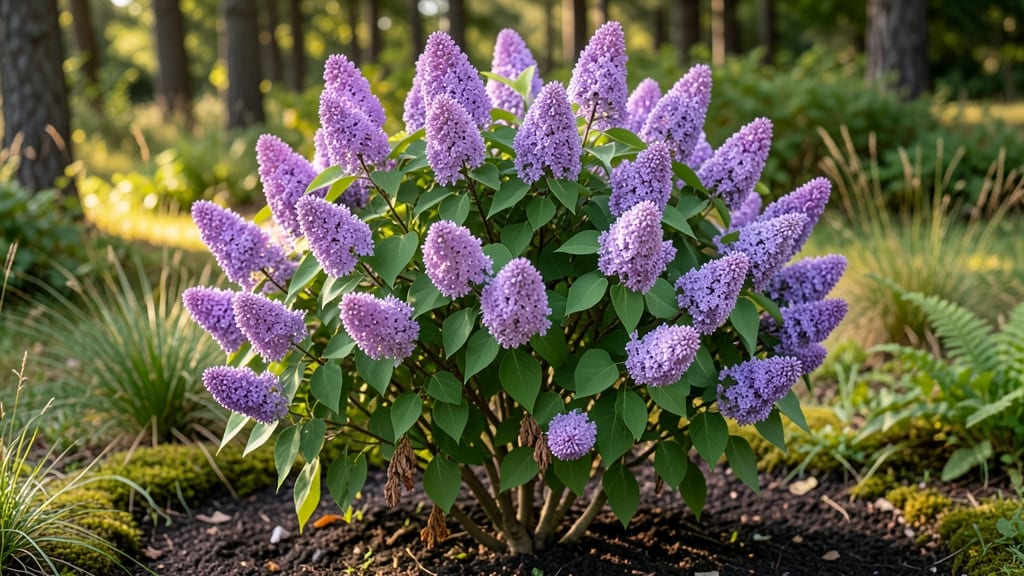
Ohio’s lilac trees burst into fragrance every spring—if you prune them right. 🌸 I’ve learned the hard way that skipping this step leads to leggy branches and fewer blooms, but the right cuts transform your shrub into a healthy, floral powerhouse that thrives in Ohio’s zones 5–6.
The secret isn’t just timing (though that matters), but knowing where to cut to encourage dense growth and those signature clusters of blooms.
Start by gathering sharp pruners, gloves, and a ladder if your lilac is taller than you—most Ohio varieties like ‘Katherine Havemeyer’ grow 6–12 feet tall. The best time to prune is right after flowering, when the blooms fade but before new growth hardens.
This gives your lilac time to set buds for next year’s show. Ohio’s humid summers mean you’ll also want to watch for powdery mildew, so clean your tools with rubbing alcohol between cuts.
You’ll end up with a lilac that’s bursting with blooms and shaped like a vase, not a lopsided mess. The fragrance alone—sweet, intoxicating, and stronger than store-bought sachets—makes the effort worth it. Just avoid cutting back into old wood (the brown, woody stems), or you’ll stunt future blooms.
Think of it as a spring ritual: a little work for a summer full of color and scent.
Ohio’s climate means winter care matters too—mound soil around the base in harsh winters to protect roots, and avoid heavy pruning in fall. For dwarf varieties like ‘Dwarf Korean,’ prune lightly to keep them compact.
Whether you’re trimming a heritage shrub or a new planting, these steps keep your lilac thriving for decades—just like the ones lining Ohio’s historic neighborhoods.
📚 In This Guide
- What you need
- Instructions
- Tips and common mistakes
- Wrapping up and next steps
What you need
- ● Pruning shears: Bypass pruners (for clean cuts on small branches, 4-6" blades). Quantity: 1 pair.
- ● Loppers: Bypass or anvil type (for thicker branches, 8-12" blades). Quantity: 1 pair.
- ● Pruning saw: Hand saw with curved blade (for branches >1" thick). Quantity: 1.
- ● Gloves: Heavy-duty, cut-resistant (to protect hands from thorns). Quantity: 1 pair.
- ● Disinfectant: 70% isopropyl alcohol or pruning sealant (to sterilize tools and prevent disease). Quantity: Small bottle.
- ● Rag or paper towels: For wiping tools between cuts.
- ○ Ladder: Sturdy, extendable (if tree exceeds 6 feet). Quantity: 1 (optional for smaller trees).
- ● Trash bags: Heavy-duty (for collecting pruned branches). Quantity: 2-3.
- ● Hand pruners with ratchet: For easier cutting on larger branches.
- ● Safety glasses: To protect eyes from debris.
- ● Marking twine or flags: To tag branches for removal (helpful for complex pruning).
- ● Tree wound dressing: (Controversial—skip if unsure!) Only use if pruning large wounds (>2" diameter).
- ● Notebook & pen: To jot down pruning notes or track growth over time.
Step-by-Step pruning guide for Ohio lilac trees
Ohio's humid summers and cold winters demand smart pruning to keep lilacs blooming their best.
✂️ Step 1: Time Your Pruning for Peak Health
Prune lilacs immediately after they finish blooming in late spring—typically May or early June in Ohio. This timing ensures you remove spent flowers while leaving next year's buds intact. Those buds form on last year's growth, so cutting too late risks pruning away next spring's blooms.
If you missed the window, wait until mid-summer at the latest. Never prune in fall or winter—dormant trees can't heal properly, leaving them vulnerable to disease. You'll know you've timed it right when the blooms have fully faded but new leaves are still vibrant.
✂️ Step 2: Remove Dead, Diseased, or Weak Wood
Start by inspecting the tree for any branches that are dead, diseased, or crossing. Dead wood is easy to spot—it's brittle, brown, and doesn't bend. Diseased branches often have dark spots, oozing sap, or unusual growths. Cut these out first at the branch collar (the swollen area where the branch meets the trunk).
For weak or crossing branches, make clean cuts just outside the branch collar. Weak branches often grow inward or upward, competing with stronger growth. Removing them opens the tree's center to better airflow and sunlight, which prevents fungal issues common in Ohio's damp climate.
✂️ Step 3: Thin the Canopy for Better Airflow
Lilacs naturally grow dense, so aim to thin the canopy by 20-30% to improve airflow and light penetration. Focus on branches growing inward or downward—they create shaded, humid pockets where pests and diseases thrive. Use sharp, clean pruning shears to make cuts at a 45-degree angle, about ¼ inch above an outward-facing bud.
Step back often to visualize the tree's shape. You're not trying to create a formal shape—just open it up so sunlight reaches the center. Avoid cutting more than one-third of the tree's total growth in a single year, or you'll stress the plant. A well-thinned lilac will reward you with stronger blooms and fewer problems.
✂️ Step 4: Shape for Balance and Future Blooms
After thinning, lightly shape the tree by shortening some of the longest branches to encourage a balanced form. Focus on branches that are growing too tall or too wide. Cut just above a bud that faces outward—this encourages growth in the direction you want. Avoid cutting back into old wood, as lilacs bloom on new growth from last year's stems.
For multi-stem lilacs, prune each stem individually, ensuring none dominate the others. A balanced tree distributes energy evenly, leading to more uniform blooms. In Ohio's climate, this also helps prevent storm damage—lilacs with uneven canopies often suffer broken branches in ice storms.
💧 Step 5: Clean Up and Protect the Tree
After pruning, rake up and dispose of all clippings—never leave them on the ground. Lilac cuttings can sprout, creating a messy underbrush, and they may harbor diseases. Sterilize your pruning tools with rubbing alcohol or a 10% bleach solution to prevent spreading pathogens between cuts.
Water the base of the tree deeply after pruning to help it recover. Mulch around the root zone with 2-3 inches of organic mulch (like shredded bark) to retain moisture and regulate soil temperature. Avoid piling mulch against the trunk—keep it 2-3 inches away to prevent rot. This step is especially important in Ohio's variable weather, where drought or sudden freezes can stress newly pruned trees.
Tips & tricks for pruning Ohio lilacs
These simple strategies will help you prune your lilacs like a pro, keeping them healthy and blooming beautifully for years.
Timing Secret: The late spring window (May or early June) is critical because lilacs bloom on last year's growth. If you prune too late, you risk cutting off next year's flower buds before they form. Here's the thing: those buds develop on stems from the previous season, so timing is everything. If you miss the window, mid-summer is your second chance—but don't wait until fall.
Branch Collar Matters: When removing branches in Step 2, always cut just outside the branch collar—the swollen area where the branch meets the trunk. This is where the tree's natural healing begins. I've seen too many people cut into the collar itself, which creates wounds that take forever to heal. Make clean cuts at a 45-degree angle to prevent tearing the bark.
Visual Cues for Pruning: In Step 3, when thinning the canopy, look for branches growing inward or downward—these are your targets. They create those dark, humid pockets where fungal diseases love to hide. Step back often to visualize the tree's shape. You're not trying to create a manicured look, just open it up so sunlight can reach the center. The goal is 20-30% thinning, not drastic transformation.
Storm-Proofing Tip: For multi-stem lilacs, prune each stem individually to prevent one from dominating. This balance is especially important in Ohio's climate where ice storms can snap weak branches. Focus on creating a tree with even energy distribution—this leads to more uniform blooms and stronger overall structure. It's like giving your lilac an insurance policy against winter damage.
Pro Tips for Lilac Tree Ohio
- These simple strategies will help you prune your lilacs like a pro, keeping them healthy and blooming beautifully for...
- Timing Secret: The late spring window (May or early June) is critical because lilacs bloom on last year's growth. If ...
- Branch Collar Matters: When removing branches in Step 2, always cut just outside the branch collar—the swollen area w...
Frequently asked questions
Got questions about growing and caring for lilac trees in Ohio? You’re not alone! Here are some of the most common queries—and their answers—to help you keep your fragrant blooms thriving.
When is the best time to prune lilac trees in Ohio?
Prune your lilac tree right after flowering (late May to early June) to encourage next year’s blooms. Avoid heavy pruning in fall or winter, as lilacs bloom on old wood. A light cleanup in late winter (before buds swell) is fine for removing dead branches.
How much can I trim my lilac tree without harming it?
For mature lilacs, avoid cutting back more than ⅓ of the plant’s height at once. Focus on shaping by trimming selective branches rather than shearing. Over-pruning can stress the tree and reduce flowering. If your lilac is young (under 3 years), limit pruning to removing dead or crossing branches.
Why aren’t my lilac flowers as fragrant as they used to be?
Several factors can dull lilac fragrance: over-fertilizing with high nitrogen (promotes leaves over blooms), poor air circulation (encourages disease), or old age. Prune properly, space trees for airflow, and use a balanced fertilizer (10-10-10) in early spring to revive scent and blooms.
Can I grow lilacs in containers, or do they need to be planted in the ground?
While lilacs thrive in the ground, you can grow them in large containers (at least 20 gallons) if you live in a warmer Ohio microclimate (Zones 5-6). Use well-draining soil, a sturdy pot, and prune aggressively to control size. Just know they’ll need winter protection (mulch, frost cloth) in colder zones.
My lilac leaves are yellowing—what’s wrong?
Yellowing leaves often signal overwatering, nutrient deficiency, or fungal issues (like powdery mildew). Check soil moisture—lilacs prefer well-drained soil. If mildew is present, prune affected branches, improve airflow, and apply neem oil or fungicide in early spring. A soil test can confirm if nutrients like iron or magnesium are lacking.
Wrapping up and next steps
Ohio’s lilac trees are a true springtime treasure, and with the right pruning techniques, you can keep them thriving for years to come! 🌸 From understanding the best time to trim to mastering the art of shaping, this guide has given you all the tools to encourage abundant blooms and strong growth.
Remember, patience and consistency are key—your lilac will reward you with fragrant beauty season after season.
Ready to roll up your sleeves? Pick a calm day, grab your tools, and give your lilac the care it deserves! Happy pruning! 🌿✂️