
Trees
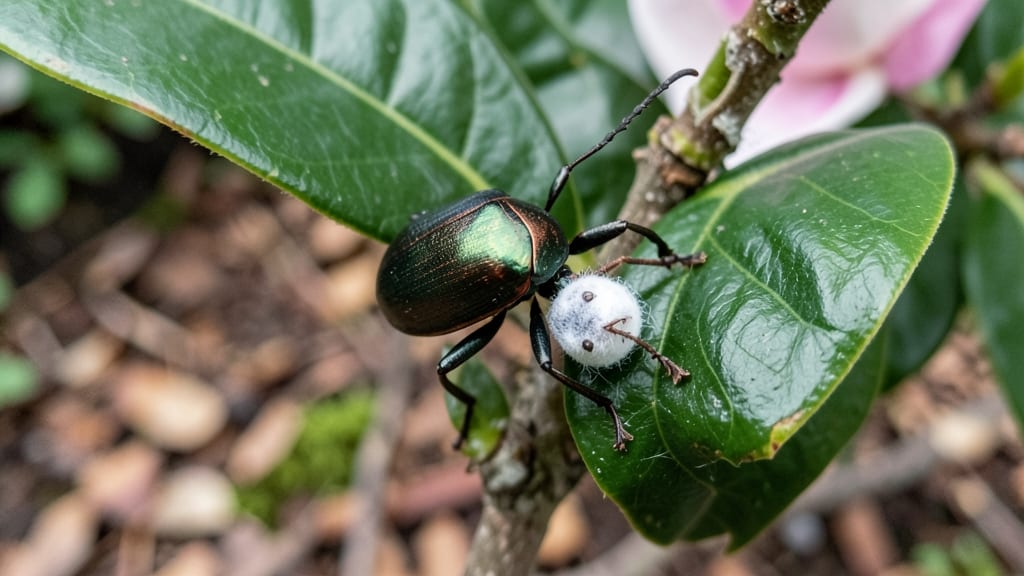
Magnolia trees get attacked by pests faster than you’d think—those glossy leaves are a buffet for insects like scale, webworms, and beetles. 🌿 I’ve watched my own magnolias go from lush to ragged in weeks if I don’t act fast, and the key is spotting the warning signs early: sticky sap, chewed leaves, or weird webbing between branches.
Most infestations start small—tiny bumps on leaves (scale), silky tents in the canopy (webworms), or holes in the bark (beetles). The good news? You don’t need harsh chemicals to stop them.
A strong spray of soapy water or neem oil can knock out scale and young caterpillars, while pruning out damaged branches keeps the tree healthy.
By the time you see heavy damage, the tree’s already stressed—but with fast action, you can save it. I’ve brought back trees that looked half-dead in just one season by combining organic sprays, beneficial nematodes, and regular checks.
The goal isn’t perfection; it’s keeping your magnolia thriving long enough for it to fight back.
Works for both young saplings and mature giants—just adjust the scale of your treatments. Here’s how to tell which pest you’re dealing with and what to do next.
Root Causes Of Magnolia Pest Infestations
Magnolia trees are stunning additions to any landscape, but their lush foliage and sweet blooms can attract unwanted visitors—pests that thrive in their environment. Understanding why these insects target your magnolia is the first step in preventing and addressing infestations.
Below, we break down the key triggers that make your tree a buffet for bugs, from environmental factors to tree health.
A magnolia tree in poor health is like an open invitation for pests. When trees are stressed—whether from nutrient deficiencies, improper watering, or disease—their natural defenses weaken, making them easier targets. Here’s how it happens:
- Lack of Nutrients 🌿 Magnolias need balanced soil fertility, especially nitrogen, phosphorus, and potassium. When these are deficient, the tree’s leaves become less robust, and pests like magnolia scale, webworms, or lace bugs detect the vulnerability.
For example, yellowing leaves (a sign of nitrogen deficiency) signal to insects that the tree is struggling to produce protective compounds like tannins and resins.
- Overwatering or Drought Stress 💧 Both extremes stress magnolias. Overwatered soil leads to root rot, while prolonged drought weakens the tree’s ability to produce sap—a natural pest deterrent.
Insects like borers and aphids exploit these conditions, as the tree’s weakened vascular system makes it easier for them to feed and reproduce.
- Fungal or Bacterial Infections 🍄 Diseases like anthracnose or powdery mildew create entry points for secondary pests. For instance, magnolia leaf gall (caused by a mite) thrives in trees already compromised by fungal infections. The damage from one pest or pathogen opens the door for others to move in.
💡 Pro Tip: Conduct a soil test every 2–3 years to check nutrient levels. If your magnolia’s leaves show discoloration, wilting, or unusual spots, address the underlying issue before pests arrive.
Magnolias provide perfect microclimates for certain insects, thanks to their dense foliage, high moisture retention, and rich sap. Here’s how environmental factors play a role:
- Humid Microclimates 🌫️ Magnolias with thick canopies trap moisture, creating high-humidity zones that favor soft-bodied insects like scale, mealybugs, and mites.
These pests thrive in 70–90% humidity, which is common under magnolia trees, especially in shady, poorly ventilated areas. Webworms, for example, spin silk nests in these damp conditions, making them harder to spot and treat.
- Sap-Rich Leaves & Bark 🍃 Magnolia leaves and young shoots contain high sugar content, making them a nutrient goldmine for sap-sucking insects like lace bugs and aphids.
The tree’s thick, glossy bark also provides shelter for borers and beetles, which tunnel into the wood. New growth is particularly vulnerable because it’s softer and more nutrient-dense.
- Seasonal Timing ⏳ Many magnolia pests have specific life cycles tied to the tree’s growth patterns:
- Spring blooms attract pollinators, but also aphids and thrips, which feed on tender flower buds.
- Summer leaf flush draws webworms and caterpillars, which munch on fresh foliage.
- Fall leaf drop leaves behind decaying matter, a breeding ground for beetles and borers.
🌡️ Temperature Matters Too:
- Warm winters (common in many climates) allow overwintering pests like magnolia scale to survive and reproduce earlier in the year.
- Hot, dry summers can stress the tree, making it more susceptible to borer attacks.
Sometimes, unintentional human actions create the perfect storm for magnolia pests. Here’s how:
- Poor Pruning Practices ✂️ Over-pruning or improper cuts (like leaving stubs) create entry wounds for borers and beetles. Additionally, removing too many leaves reduces the tree’s ability to photosynthesize, weakening its defenses. Cross-contamination from infested tools can also spread pests between trees.
- Lack of Sanitation 🧹 Leaving fallen leaves, mulch, or debris under the tree provides hiding spots and breeding grounds for insects. For example:
- Magnolia cone gall (caused by a midge) thrives in moist, decaying leaf litter.
- Japanese beetles overwinter in grass clippings and mulch.
- Introducing Infested Plants 🌿🚫 Buying or planting magnolias (or nearby plants) already infested with pests like scale or spider mites is a fast track to an outbreak. Always inspect new plants for signs of pests before bringing them home.
✨ Prevention Tip:
- Clean up fallen leaves in late fall to remove overwintering pests.
- Sterilize pruning tools with rubbing alcohol between cuts to prevent spreading disease or insects.
- Avoid heavy mulch piles directly against the trunk—keep it 2–3 inches away to prevent moisture bucks that attract pests.
Where you live plays a huge role in which pests target your magnolia. Some insects are regional specialists, while others thrive in specific climates:
- Southern U.S. & Warm Climates 🌞 In states like Georgia, South Carolina, and Florida, magnolia scale, webworms, and lace bugs are more prevalent due to long, hot summers and mild winters. These conditions allow pests to reproduce year-round.
- Northern U.S. & Cooler Climates ❄️ In areas like New England or the Pacific Northwest, borers and beetles (like the magnolia shoot borer) are more common. Cold winters can kill off some pests, but early springs lead to explosive outbreaks as trees leaf out.
- Urban vs. Rural Settings 🏙️🌳 Urban magnolias often face aphids, spider mites, and whiteflies due to higher pollution levels and proximity to other infested plants. In contrast, rural magnolias may deal with native pests like the magnolia bark beetle or imported species that hitchhike on wind or wildlife.
🎯 Actionable Insight: If you’re in a high-risk zone for specific pests, monitor your tree closely during peak seasons (e.g., spring for aphids, summer for webworms). Early detection is key!
Quick Fixes for Tree Pests
When your magnolia tree becomes a buffet for unwanted critters, acting fast is key to keeping your tree thriving. Below are practical, step-by-step solutions tailored to the most common pests, along with prevention tips to keep future invasions at bay.
Scale insects are sneaky sap-suckers that leave behind a sticky residue (sap) and weaken your tree. Here’s how to tackle them:
🍳 Step 1: Inspect and Confirm
- Check for signs: Look for small, bumpy lumps (scales) on branches, leaves, or stems.
A magnifying glass helps spot tiny crawlers. - Test for sap: Wipe a branch with a damp cloth—if it leaves a sticky film, scales are likely the culprit.
👨🍳 Step 2: Manual Removal (For Small Infestations)
- Scrape them off: Use a plastic scraper, soft brush, or even a damp cloth to physically remove scales.
Focus on stems and undersides of leaves. - Dispose properly: Drop scales into soapy water (not your compost or yard) to kill them.
🥘 Step 3: Natural Sprays (Organic Approach)
- Horticultural oil: Mix 1 part oil (like neem or dormant oil) with 10 parts water. Spray thoroughly on a cool, cloudy day (avoid direct sun—it can burn leaves).
Reapply every 7–14 days for 3–4 weeks. - Insecticidal soap: Spray directly on scales (avoid flowering trees if bees are active). Test on a small area first.
🔪 Step 4: Chemical Defense (Last Resort)
- Systemic insecticide: Use a label-approved product like dinotefuran (e.g., Safari) for severe infestations. Follow package instructions—do not overapply.
- Timing matters: Apply in early spring or late fall when scales are most vulnerable.
⏰ Prevention Tips
- Encourage predators: Ladybugs and lacewings love scales. Plant nearby flowers (like marigolds or dill) to attract them.
- Keep trees healthy: Water deeply during droughts and fertilize with balanced, slow-release fertilizer to boost resilience.
These tiny worms tunnel between leaf layers, causing white blotches and weakening foliage. Act fast—they multiply quickly!
💡 Step 1: Prune and Destroy
- Remove infested leaves: Clip heavily damaged leaves and bag them immediately (don’t compost!). Burn or trash them.
- Focus on new growth: Miners love fresh leaves—check undersides regularly.
🎯 Step 2: Traps and Barriers
- Yellow sticky traps: Hang near the tree to catch adult flies before they lay eggs.
- Row covers: For young trees, use fine mesh netting to block adult flies (remove during pollination if needed).
✨ Step 3: Organic Sprays (Preventative)
- Kaolin clay: Mix with water and spray on leaves to create a physical barrier that confuses and repels miners. Reapply after rain.
- Bacillus thuringiensis (Bt): A natural bacteria that kills mining larvae. Spray every 7–10 days during outbreaks.
🔥 Prevention Tips
- Early detection: Inspect leaves weekly in spring/summer.
- Avoid over-fertilizing: Too much nitrogen attracts miners. Use a low-nitrogen fertilizer (like 5-5-5).
These caterpillar-like larvae skeletonize leaves, leaving behind a messy, half-eaten mess. Here’s how to stop them:
🔪 Step 1: Handpick and Drown
- Scoop them up: Drop larvae into soapy water or a bucket of hot, soapy water (they’re easy to spot—they’re fuzzy and greenish).
- Work at dawn: Larvae are sluggish in the morning, making them easier to remove.
🌡️ Step 2: Biological Controls
- Parasitic wasps: Introduce Trichogramma wasps (sold at garden centers)—they lay eggs inside sawfly eggs, killing them.
- Birds and toads: Install a bird feeder or a small pond to attract natural predators.
💡 Step 3: Chemical Options (If Needed)
- Spinosad: A microbial pesticide (e.g., Captain Jack’s) that’s low-toxicity but effective. Spray in early evening to avoid harming bees.
- Neem oil: Disrupts their feeding and reproduction. Apply every 5–7 days during outbreaks.
⏰ Prevention Tips
- Prune in late winter: Remove old wood where adults lay eggs.
- Mulch properly: A 3-inch layer of mulch (wood chips or pine straw) reduces egg-laying sites.
No matter the pest, a strong tree is your best defense. Use these tips year-round: - Water deeply: 1–2 inches per week (more in extreme heat).
Use drip irrigation to keep foliage dry (pests hate humidity). - Aerate the soil: Improve drainage with compost or organic matter to reduce stress. - Monitor regularly: Monthly inspections catch problems before they spread.
Look for holes, chewed leaves, or unusual webbing. - Avoid broad-spectrum pesticides: They kill beneficial insects. Targeted treatments (like neem or horticultural oil) are safer.
Pro Tip: 🌿 For severe infestations, consult a local arborist. They can recommend tree-specific treatments and check for secondary issues (like fungal infections) that pests may have triggered.
Frequently asked questions about magnolia tree pests
What are the most common signs my magnolia tree has insects?
Look for sticky sap on leaves or branches (a sign of sap-sucking pests like scale), chewed or skeletonized leaves (webworms or caterpillars), or tiny white blotches between leaf layers (leaf miners). Also check for webbing in the canopy or small bumps on stems—these often indicate scale or borer activity.
Can I use neem oil on my magnolia tree during bloom time?
Neem oil is generally safe for magnolias, but avoid spraying directly on flowers when they're open to protect pollinators. Apply neem oil early morning or late evening when bees are less active, and focus on leaves and stems. For blooming trees, consider horticultural oil instead—it's less likely to affect flowers.
How often should I inspect my magnolia for pests?
Check your tree every 2 weeks during growing season (spring through fall) and monthly in winter for early signs. Focus on new growth areas (where pests love to feed) and the undersides of leaves. Regular inspections catch problems before they become severe—most pests start small and multiply quickly!
Will pruning my magnolia help prevent insect problems?
Yes! Prune in late winter or early spring to remove dead or diseased branches where pests hide. Also thin out dense areas to improve airflow (pests thrive in humid, shaded spots). Just avoid heavy pruning during active growth—this stresses the tree and makes it more vulnerable to attacks.
Are there any natural predators that help control magnolia pests?
Ladybugs, lacewings, and parasitic wasps all target common magnolia pests like scale and caterpillars. Plant nearby flowers (like marigolds or dill) to attract these beneficial insects. You can also purchase beneficial nematodes for soil-dwelling pests—just follow package instructions for best results.