
Pruning
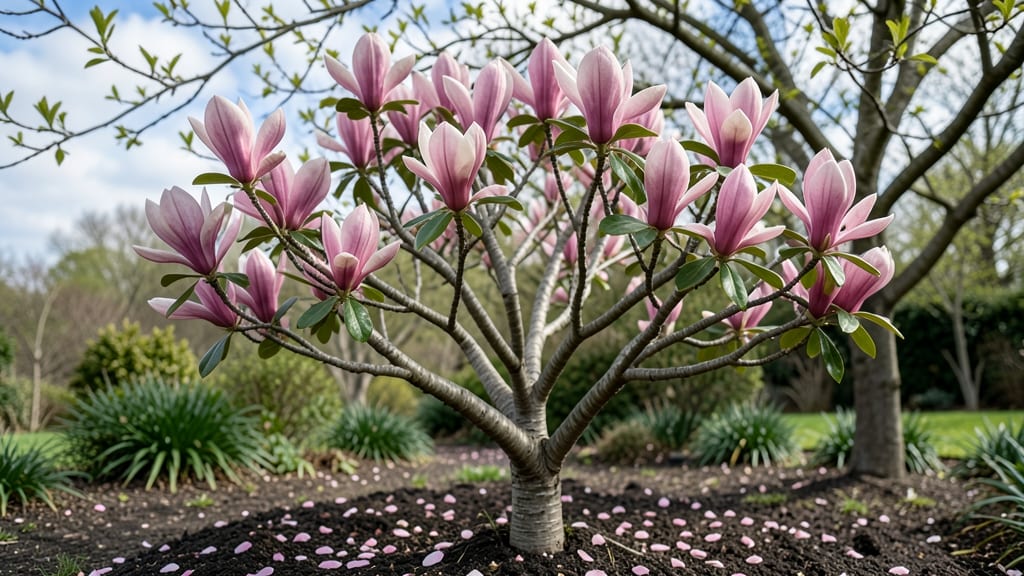
For Seattle's climate, magnolia trees thrive with cold-resistant varieties such as the Yulan Magnolia or Jane Magnolia, which endure temperatures as low as 10°F (-12°C) and produce fragrant flowers. Plant them in well-draining soil, protect them from late spring frosts, and prune after blooming to ensure healthy growth in the Pacific Northwest's unique conditions.
Seattle's USDA Zone 8a/8b climate means you need magnolias that can handle the occasional hard freeze while still thriving in the region's damp, mild winters.
These varieties not only survive but also reward you with stunning blooms that often appear before many other spring flowers. 🌸 The key to their success is mimicking their natural habitat—acidic, well-draining soil and protection from late frosts, which can damage tender new growth.
I've seen firsthand how a little extra care during planting pays off with decades of reliable blooms and minimal maintenance.
Once established, these magnolias become low-maintenance stars in your garden. Their glossy leaves and fragrant flowers make them a focal point, while their cold tolerance means you won't need to worry about winter damage like you might with southern varieties.
The secret to long-term health is proper pruning—always after the blooming season—and keeping an eye out for pests like scale insects, which can be managed organically with neem oil or insecticidal soap.
💡 In This Article
- Cold-Hardy Magnolia Varieties for Seattle’s Climate
- Planting and Maintenance Tips for Seattle Magnolias
Cold-hardy Magnolia varieties for Seattle’s climate
Seattle’s USDA Zone 8a/8b climate presents unique challenges for magnolias, where winter temperatures can dip to 10°F (-12°C) while summers remain mild and damp.
The Yulan Magnolia (Magnolia denudata) stands out as a top performer, thanks to its ability to withstand cold snaps while producing delicate white blooms in early spring. These flowers often appear before the last frost, offering a stunning display when few other trees are in bloom.
Another excellent choice is the Jane Magnolia (Magnolia × soulangeana), a hybrid that combines the cold resistance of M. denudata with the vibrant pink and purple blooms of M. liliiflora, thriving in Seattle’s marine climate where coastal winds and moisture can stress less-hardy species.
The Star Magnolia (Magnolia stellata) is another favorite, with its profusion of small, star-shaped flowers that cover the tree in late winter or early spring.
Unlike southern magnolias, these varieties have evolved to handle dormancy periods and can even benefit from Seattle’s cool summers, which reduce the risk of heat stress.
However, their growth rate slows in the cooler climate—expect 12-18 inches per year—so patience is key for reaching their mature height of 15-25 feet. The trade-off is a longer lifespan, with well-established trees living for 50+ years with minimal care.
Seattle’s marine climate also means these magnolias benefit from the region’s high humidity and frequent rainfall, which keeps the soil consistently moist. However, the acidic, well-draining soil is critical—Seattle’s native soils often contain too much clay, which can suffocate roots.
Amending with peat moss or compost improves drainage, while a 3-4 inch layer of mulch helps retain moisture and insulate roots during winter freezes. The key difference from southern magnolias is their ability to handle wet winters without root rot, thanks to their natural adaptation to temperate climates.
One common misconception is that all magnolias struggle in Seattle’s climate, but the right varieties actually thrive here. For example, the Loebner Magnolia (Magnolia × loebneri) hybrids are bred specifically for cold resistance and have become popular in the Pacific Northwest.
These trees bloom later in the season (April-May), avoiding late spring frosts that can damage early bloomers. Their larger, showier flowers also make them a standout choice for gardeners who want both beauty and durability.
When comparing cold-hardy magnolias, consider bloom time, flower color, and mature size. The Yulan offers pure white, fragrant blooms, while the Jane provides a mix of pink and purple hues. The Star Magnolia excels in early spring displays, while Loebner hybrids deliver later-season blooms with less frost risk.
Each variety’s unique characteristics allow you to match your garden’s aesthetic and microclimate—whether you’re in a sheltered urban yard or a windy coastal area.
What most gardeners don’t realize is how Seattle’s mild but unpredictable winters can actually benefit magnolias. Unlike southern varieties that struggle with freeze-thaw cycles, cold-hardy magnolias develop a thicker bark layer over time, protecting them from winter damage.
This adaptation means they’re far more resilient in Seattle’s climate than many other ornamental trees. 🌿