
Pruning
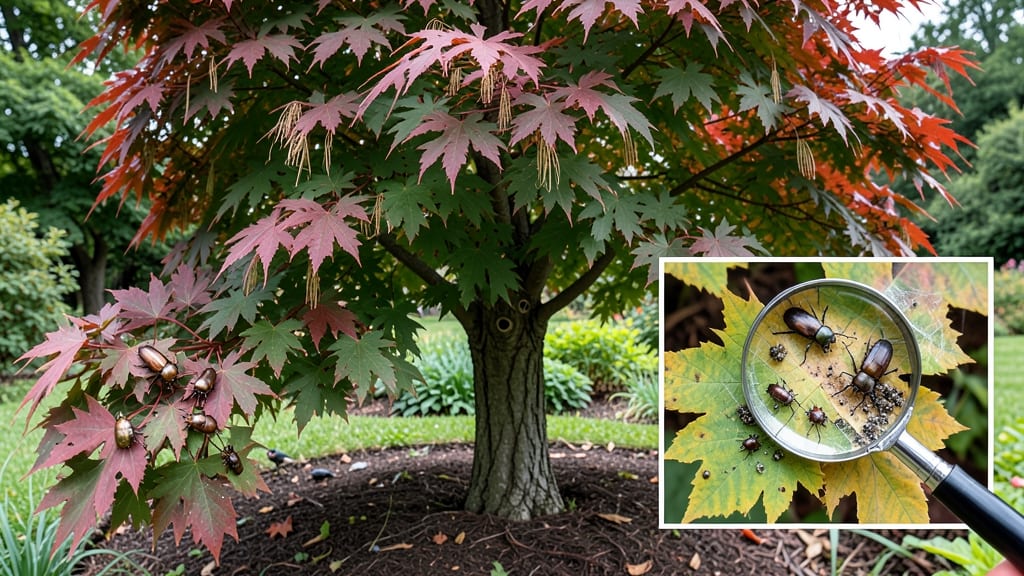
Maple tree pests like aphids and borers can turn your majestic tree into a sad, sticky mess—unless you act fast. 🌳 I’ve seen healthy maples wither in weeks when pests go unchecked, but natural fixes can restore that vibrant green canopy before the damage spreads.
The key is catching signs early: sticky sap, sawdust-like frass, or tiny crawling insects mean it’s time to intervene.
Most pests target stressed trees, so start with good care: water deeply during droughts and mulch to keep roots cool. For aphids, a strong spray of water knocks them off, while neem oil smothers scale insects.
Japanese beetles? Handpick them early in the morning when they’re sluggish—it’s weirdly satisfying and works better than chemicals.
Borers are trickier but not hopeless. Prune out infested branches in late winter, then seal the wounds with pruning paint. Healthy sap flow keeps them at bay, and a yearly inspection in spring and fall stops them before they burrow deep. Your tree’s recovery starts with these simple, chemical-free steps.
Prevention is easier than cleanup, so make this a seasonal habit. A few minutes now saves hours of work later—and keeps your maple’s leaves shimmering like they should. Let’s get that tree back to its best.
Root Causes of Maple Tree Pests
Maple trees, with their vibrant foliage and sweet sap, are a magnet for pests—but why do these critters target them so aggressively? The answer lies in a mix of ecological factors, tree health, and environmental conditions.
Understanding these root causes helps you take proactive steps to protect your maple trees before pests strike.
Healthy maple trees naturally resist pests, but stress weakens their defenses. When trees experience nutrient deficiencies, poor soil conditions, or improper watering, they become vulnerable to infestations. For example:
- Nitrogen deficiency: Leads to pale, yellowing leaves, making trees more attractive to sap-sucking insects like aphids and scale.
- Compacted or waterlogged soil: Restricts root growth, reducing the tree’s ability to fight off borers and beetles.
- Over- or under-watering: Both extremes stress the tree, inviting pests like spider mites that thrive in dry conditions or fungal issues that attract bark beetles.
Actionable fix: Conduct a soil test to check pH and nutrient levels. Amend soil with compost or organic matter to boost tree resilience.
Pests don’t attack randomly—they’re drawn to maple trees during specific life stages. Here’s when and why:
| Season | Pest Trigger | Why It Happens |
|---|---|---|
| Spring | Aphids, scale insects | New growth is rich in sugars, and soft tissue is easy to penetrate. Warmth also signals these pests to reproduce rapidly. |
| Summer | Japanese beetles, borers | Mature leaves provide food, while drought-stressed trees emit stress signals (like volatile organic compounds) that attract beetles. |
| Fall | Sap-sucking insects, fungal spores | Declining sap flow creates weak spots in bark, inviting pests that lay eggs for next year’s infestation. |
Actionable fix: Monitor trees closely during these seasons. Use neem oil in spring or beneficial nematodes in summer to disrupt pest life cycles.
Pests exploit environmental conditions that favor their survival. For maple trees, these often include:
- Dense foliage: Creates humid microclimates perfect for fungal pests like anthracnose or mites that thrive in shaded, moist areas.
- Urban pollution: Acid rain or ozone damage weakens leaf cuticles, making trees more susceptible to borers and leaf miners.
- Monoculture plantings: Groups of maple trees offer pests a buffet—no diversity means no natural predators to keep populations in check.
Actionable fix: Prune to improve airflow, use mulch to reduce soil-borne pests, and plant companion species (like cherry trees) to attract pest-eating birds.
By addressing these root causes—stress, seasonality, and environment—you’ll disrupt the conditions that invite pests in the first place. The key? Proactive care beats reactive treatments every time.
Natural Fixes for Common Maple Tree Invaders
When pests target your maple trees, the key is acting fast with targeted, eco-friendly solutions. Below, we’ve mapped the most common culprits to simple fixes—plus prevention tips to keep your trees thriving long-term.
**🔥 Cause: Tiny green, black, or white aphids cluster on new growth, leaving sticky honeydew that attracts sooty mold.
🍳 Fix It:
- Blast Them Away: Use a strong stream of water (💦) from a hose to knock aphids off leaves. Repeat every 3–4 days until gone.
- Soap It Up: Mix 1 tbsp mild liquid soap (like castile) + 1 quart water in a spray bottle. Test on a small leaf first—aphids hate it!
- Ladybugs to the Rescue: Release ladybugs (available online or at garden centers) to feast on aphids naturally.
💡 Prevention Tip: Plant garlic, chives, or marigolds nearby—aphids despise their scent. Prune early in the season to remove egg-laying sites.
🔥 Cause: Skeletons of chewed leaves? These metallic-green beetles strip foliage in summer, weakening trees.
👨🍳 Fix It:
- Handpick & Drown: Fill a bucket with soapy water. Shake beetles into it daily (🕷️) during peak feeding (6–8 AM).
- Neem Oil Spray: Mix 1 tbsp neem oil + 1 tsp dish soap + 1 quart water. Spray undersides of leaves where they hide.
- Milky Spore: Apply milky spore powder (a natural bacteria) to soil—it targets beetle grubs before they emerge.
🌡️ Prevention Tip: Set up traps** (but place them away from your trees—beetles get too attracted and may overpopulate nearby!).
**🔥 Cause: Semi-circular notches in leaves? The maple leaf cutter moth (not a beetle!) cuts leaf edges to carry back to its nest.
🥘 Fix It:
- Prune & Burn: Remove infested leaves/nests (usually in late summer) and burn or bag them** (🔥). Do not compost!
- Bacillus thuringiensis (Bt): Spray Bt kurstaki (a natural bacteria) on leaves—it’s safe for humans but deadly to caterpillars.
- Row Covers: Use lightweight fabric covers over young trees in early spring to block moths.
**✨ Prevention Tip: Encourage birds** (like robins) with feeders—they love eating leaf cutter larvae!
**🔥 Cause: Brown bumps on branches? Scale insects suck sap, causing yellowing and stunted growth.
🔪 Fix It:
- Scrape Them Off: Use a plastic scraper or soft brush to physically remove scales (🪒). Drop them into soapy water.
- Horticultural Oil: Apply dormant oil (in late fall/winter) to smother eggs. Reapply in spring.
- Parasitic Wasps: Introduce Aphytis melinus (a tiny wasp) to hunt scales—it’s a game-changer!
🎯 Prevention Tip: Keep trees healthy with proper watering (deep but infrequent) and balanced fertilizer—stressed trees attract more pests.
No matter the pest, these proactive steps help maples stay strong:
- Mulch Well: Apply 3–4 inches of mulch (wood chips) around the base to deter burrowing pests.
- Water Deeply: 1 inch per week (deep watering > frequent shallow water) reduces stress.
- Inspect Regularly: Check undersides of leaves and new growth every 2 weeks (👀).
- Avoid Over-Fertilizing: Too much nitrogen = soft, pest-loving growth.
🚫 What NOT to Do:
- Skip the soil test—over-fertilizing can attract pests.
- Use chemical pesticides unless absolutely necessary (they harm pollinators).
- Ignore early signs**—catch pests small before they spread!
With these fixes, your maple’s sap will flow freely—and so will its resilience. 🌿💪
Frequently asked questions
What are the most common signs my maple tree has pests?
Look for sticky residue (honeydew), tiny crawling insects, or chewed leaves. Yellowing leaves, sawdust-like frass near branches, or holes in foliage are red flags. Check undersides of leaves and bark crevices—this is where pests hide. Early detection is key to preventing serious damage.
Can I use chemical pesticides safely on maple trees?
Only as a last resort! Chemical pesticides harm beneficial insects and soil life. Start with natural solutions like neem oil or insecticidal soap. If chemicals are needed, choose systemic options (like imidacloprid) sparingly, and apply during cooler hours to minimize harm to pollinators.
How often should I inspect my maple tree for pests?
Check every 2 weeks during growing seasons (spring-fall) and monthly in winter. Focus on new growth, leaf undersides, and bark. Early spring and late summer are critical—these are when pests like aphids and beetles are most active.
Will pruning help prevent pests from attacking my maple?
Prune in late winter to remove dead/diseased branches where pests hide. Open the canopy to improve airflow, reducing humidity that attracts fungi and mites. Always sterilize pruners with rubbing alcohol to prevent spreading diseases.
Are there any companion plants that repel maple tree pests?
Yes! Plant garlic, chives, or marigolds nearby—their strong scents deter aphids and beetles. Consider adding rosemary or lavender for their pest-repelling properties. These plants also attract beneficial insects that prey on common maple pests.