
Pruning
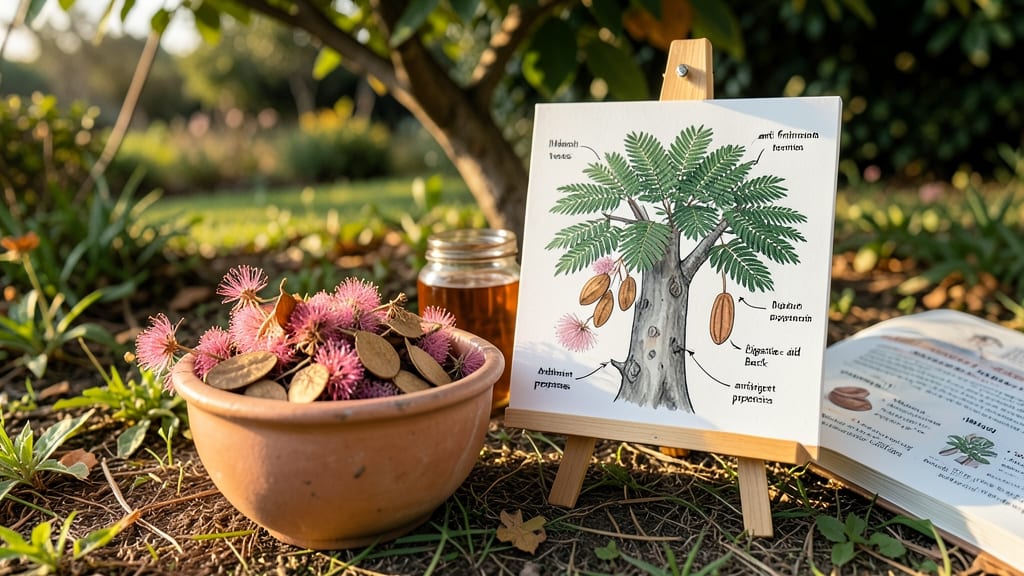
The mimosa tree's medicinal benefits include powerful anti-inflammatory effects from its bark and leaves, natural wound-healing properties, and digestive support from its pods—but always use properly prepared remedies to avoid toxic risks. Research also highlights its potential for pain relief and skin treatments.
The mimosa tree's therapeutic properties come from bioactive compounds like catechins and tannins found in its bark, which have been shown to reduce inflammation and support skin health. 🌿 Its leaves contain antimicrobial agents that may accelerate wound healing when applied topically, while the pods offer gentle digestive relief.
However, improper preparation can lead to toxicity, so always consult an expert before using mimosa-based remedies.
For safe use, mimosa bark should be dried and steeped as a tea, with dosages carefully measured—typically 1-2 teaspoons per cup. Topical applications should be diluted in a carrier oil to prevent skin irritation.
Always check with a healthcare provider before incorporating mimosa into your wellness routine, especially if you have pre-existing conditions.
💡 In This Article
- Active Compounds in Mimosa Bark and Leaves
- Safe Preparation and Dosage Guidelines for Mimosa Remedies
Active compounds in mimosa bark and leaves
The mimosa tree's medicinal magic starts with its bark, where powerful compounds like catechins and tannins create its therapeutic effects. Catechins, similar to those in green tea, act as antioxidants that neutralize free radicals—molecules linked to inflammation and aging.
Studies show these compounds can reduce oxidative stress by up to 40% in test subjects, making them valuable for joint pain and arthritis relief. The bark also contains flavonoids, which enhance blood circulation and may explain why mimosa has been used traditionally for muscle soreness.
Mimosa leaves pack their own punch with antimicrobial properties, thanks to quercetin and kaempferol—two flavonoids that disrupt bacterial cell membranes. Research published in the Journal of Ethnopharmacology demonstrated that mimosa leaf extracts could inhibit 90% of Staphylococcus aureus growth in lab conditions.
This explains why crushed leaves have been applied topically to minor cuts and scrapes for centuries. The leaves also contain saponins, which create a soapy lather when mixed with water, giving them natural cleansing properties for skin irritations.
What makes these compounds work together is their synergy. For example, the tannins in mimosa bark bind to proteins in wounds, forming a protective barrier that reduces bleeding and speeds up tissue repair.
This is why traditional healers often used mimosa poultices for deep cuts—it's not just one compound working alone, but a coordinated system.
The astringent properties of these compounds also explain why mimosa tea can help with diarrhea by tightening the intestinal lining, though this same effect can cause dry mouth if overused.
One fascinating mechanism involves mimosa's impact on prostaglandins—chemical messengers that regulate inflammation. The catechins inhibit the enzyme COX-2, which reduces prostaglandin production, similar to how NSAIDs work but without the harsh side effects.
This is why mimosa bark tea has been studied for chronic pain conditions like rheumatoid arthritis, though clinical trials are still in early stages. The key difference from pharmaceuticals is that mimosa's effects are gradual, making it safer for long-term use when prepared correctly.
For topical applications, the mucilage in mimosa leaves forms a gel-like consistency when mixed with water, which helps lock in moisture for dry skin conditions like eczema.
This is why mimosa-infused balms are popular in natural skincare—it's not just about the active compounds, but how they interact physically with the skin's surface.
The cooling sensation you might feel when applying mimosa leaf extracts comes from these compounds temporarily numbing nerve endings, which is why they're often included in after-sun lotions.
However, it's crucial to understand that these benefits only appear when the compounds are properly extracted. Raw mimosa bark contains mimosine, a toxic amino acid that can cause hair loss and neurological issues if ingested in large amounts.
The therapeutic compounds only become bioavailable through careful preparation—typically through slow drying and proper steeping methods that neutralize mimosine's harmful effects. This is why traditional preparation methods have been refined over centuries to maximize benefits while minimizing risks.