
Pruning
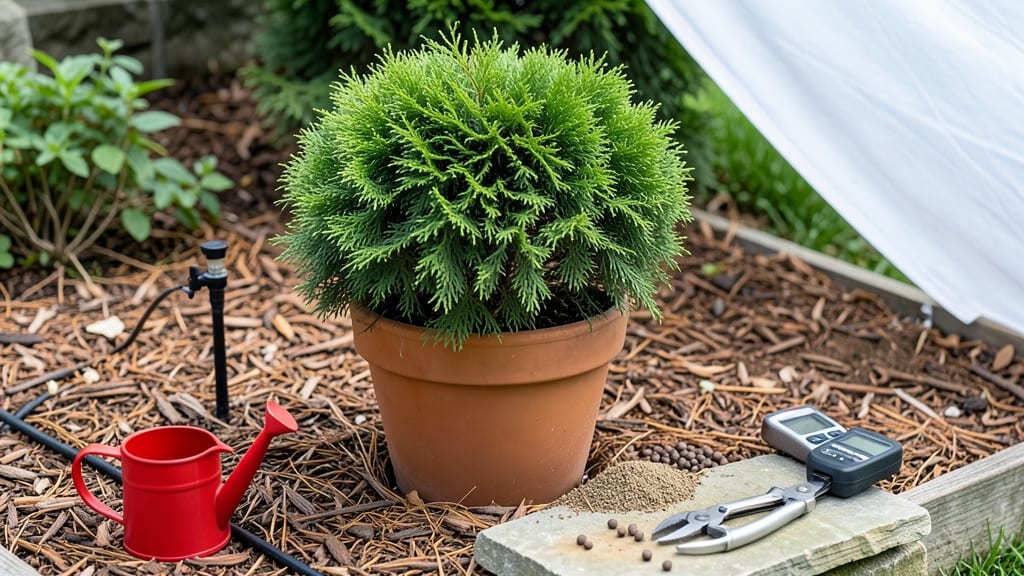
Mini cypress tree care brings year-round elegance to small spaces with their lush, feathery foliage—but their compact size doesn’t mean they’re low-maintenance. ✂️ I’ve kept mine thriving for five years by mastering the balance between pruning, watering, and understanding their natural growth habits. The secret isn’t complicated: it’s about working with their slow, steady growth rather than forcing it.
These trees adore full sun (at least 6 hours daily) and well-draining soil—soggy roots are their worst enemy. Water deeply once a week unless it rains, and use a pot with drainage holes if container-growing.
Pruning isn’t just about shaping; it’s about encouraging dense growth by cutting back leggy branches in early spring before new shoots emerge. Most mistakes come from over-pruning or using dull shears, which tear rather than cleanly trim.
With the right care, your mini cypress will stay compact, vibrant, and full for decades. The needle-like foliage stays green year-round, and strategic pruning keeps it from becoming top-heavy. By winter, you’ll notice fresh growth at the tips—a sign you’re doing it right.
The payoff? A tree that fits on patios, in pots, or even as a striking indoor accent without losing its natural charm.
Whether you’re shaping a topiary or just keeping it tidy, the key is patience. These trees grow slowly, so changes happen gradually. Start with small cuts, observe how it responds, and adjust your approach.
Before you know it, you’ll have a self-sustaining mini masterpiece that turns heads—and requires almost no effort after the first year.
📚 In This Guide
- What you need
- Instructions
- Tips and common mistakes
- Wrapping up and next steps
What you need
- ● Mini cypress tree (1–3 plants, depending on desired size and spacing)
- ● Well-draining potting mix (5–10 lbs, blend of peat, perlite, and sand for aeration)
- ● Pot or container (1–3 gallons, with drainage holes; terracotta or ceramic preferred)
- ● Pruning shears (sharp, bypass-style, for clean cuts—avoid dull tools!)
- ● Gloves (gardening or work gloves to protect hands from sap and thorns)
- ● Watering can (with a narrow spout for precise hydration)
- ● Fertilizer (balanced 10-10-10 or slow-release cypress-specific formula, 1–2 tbsp per plant)
- ○ Mulch (optional: 1–2 inches of pine bark or gravel to retain moisture)
- ● Root stimulator (for repotting or transplant shock)
- ● Pest control spray (neem oil or insecticidal soap for spider mites/scale)
- ● Support stake (if your tree is top-heavy or young)
- ● Humidity tray (for indoor varieties in dry climates)
- ● Pruning sealant (to prevent disease on larger cuts)
Instructions for growing and maintaining mini cypress trees
Here's how to keep your mini cypress thriving through every season with minimal fuss.
🪴 Step 1: Select the Right Location and Soil
Mini cypress trees love full sun to partial shade—at least 6 hours of sunlight daily. A spot with morning sun and afternoon shade works well in hotter climates. Avoid deep shade, which causes leggy growth and sparse foliage.
Use well-draining soil to prevent root rot. If planting in the ground, amend heavy soil with 1 part sand or perlite per 3 parts native soil. For containers, choose a mix labeled for acid-loving plants. You'll know the soil is right when water drains within 10-15 minutes after watering.
☀️ Step 2: Water Deeply and Infrequently
Water your mini cypress deeply once a week during the first year to encourage deep root growth. Let the top 2-3 inches of soil dry out between waterings—you'll see this when the soil feels dry to touch. Overwatering causes yellowing foliage and root problems.
Once established, reduce watering to every 10-14 days, adjusting for rainfall. In containers, check moisture by lifting the pot—if it feels light, it's time to water. Mulch around the base with 2-3 inches of organic mulch to retain moisture and regulate soil temperature.
✂️ Step 3: Prune Strategically for Shape and Health
Prune mini cypress trees in late winter or early spring, just before new growth begins. Use clean, sharp pruners to make cuts just above a leaf node to encourage branching. Remove only 10-20% of the foliage at a time to avoid stressing the tree.
Watch for brown or dead branches—these should be pruned immediately to prevent disease. Shape the tree by trimming the tips of branches to encourage fuller growth. Avoid heavy pruning in summer, as this can stress the plant and reduce winter hardiness.
🌿 Step 4: Fertilize Lightly for Year-Round Growth
Fertilize in early spring with a balanced, slow-release fertilizer (10-10-10 or similar). Apply half the recommended dose to avoid burning the roots. You'll see new growth within 4-6 weeks if the fertilizer is working correctly.
Avoid fertilizing in late summer or fall, as this encourages tender growth that won't survive winter. If your tree looks pale or stunted, a light application of iron chelate can help correct nutrient deficiencies. Always water before and after fertilizing to protect the roots.
⏰ Step 5: Protect During Extreme Weather
In winter, protect mini cypress trees from harsh winds and freezing temperatures with burlap wraps or frost cloth. If temperatures drop below 10°F, consider moving potted trees to a sheltered location. You'll know they're struggling if the needles turn brown and brittle.
In summer, provide afternoon shade if temperatures exceed 90°F to prevent heat stress. Monitor for pests like spider mites or scale, which thrive in dry conditions. A gentle spray of water can deter pests without harming the tree.
Tips & tricks for perfect mini cypress tree care
Took me a while to figure these out, so here goes—your mini cypress will thank you for these little adjustments.
Lighting Secret: I learned this the hard way after my first tree stretched like a sad string bean. That 6 hours of sunlight is non-negotiable, but here's the trick: if you're in a hot climate, morning sun with afternoon shade is your best bet. The intense afternoon rays can scorch delicate needles, even with the right watering. I use a simple shade cloth on my patio during peak summer afternoons, and it makes all the difference.
Soil Test Trick: When checking that 10-15 minute drainage test in Step 1, don't just eyeball it—use your fingers. Press your index finger about 2 inches into the soil. If it comes out damp but not soggy, you're golden. Too fast? Add more organic matter. Too slow? Mix in that sand or perlite. This simple check prevents root rot before it starts, and I've saved multiple trees by catching this early.
Pruning Precision: That 10-20% foliage rule in Step 3 is critical, but here's what nobody tells you—prune in stages. Remove 10% first, wait 2 weeks, then do another 10% if needed. This gradual approach prevents shock. Also, always cut just above a leaf node at a 45-degree angle to encourage new growth. I keep a small pair of pruners dedicated just to my cypress trees to avoid cross-contamination with other plants.
Winter Protection Hack: For those 10°F nights, I've found that wrapping the entire tree (not just the top) with burlap works better than frost cloth alone. The burlap traps a tiny air pocket that insulates against temperature swings. And here's a pro move: water the tree thoroughly before wrapping—hydrated plants handle cold better. I've had trees survive down to 5°F with this method, though I still monitor closely.
Pro Tips for Mini Cypress Tree Care
- Took me a while to figure these out, so here goes—your mini cypress will thank you for these little adjustments.
- Lighting Secret: I learned this the hard way after my first tree stretched like a sad string bean.
- Soil Test Trick: When checking that 10-15 minute drainage test in Step 1, don't just eyeball it—use your fingers.
Frequently asked questions
Got questions about keeping your mini cypress tree thriving? You’re not alone! Here are answers to the most common queries—from pruning to placement—so you can enjoy lush, year-round greenery with ease.
How often should I prune my mini cypress tree?
Prune your mini cypress lightly 2–3 times a year: spring (to shape), summer (for growth control), and early fall (to prep for winter). Avoid heavy pruning in late fall/winter—it stresses the tree. Use sharp, sterilized shears to make clean cuts just above a leaf node.
Can mini cypress trees survive winter?
Yes! Most mini cypress varieties (like Hinoki or Arizona Cypress) tolerate light frost, but heavy snow or icy winds can damage branches. Mulch the base and wrap young trees in burlap if temps drop below 15°F. Choose a sheltered spot to minimize exposure.
Why are the tips of my mini cypress turning brown?
Brown tips usually signal overwatering, underwatering, or salt buildup from tap water. Check soil moisture—it should stay evenly damp but not soggy. If using tap water, flush the pot monthly to remove salts. Yellowing + brown? It’s likely overwatering; crispy brown? Too dry.
How much sun does a mini cypress tree need?
Most mini cypress thrive in full sun (6+ hours/day), but some varieties (like Hinoki) tolerate partial shade. If grown in shade, expect slower growth and less dense foliage. Morning sun + afternoon shade works well in hot climates to prevent leaf scorch.
Can I grow a mini cypress tree in a pot indoors?
Yes, but with caveats! Mini cypress need bright, indirect light (a south-facing window or grow lights) and high humidity (mist leaves or use a pebble tray). Choose a pot with drainage holes and repot every 2–3 years. Warning: Indoor growth is slower—expect stunted size and potential pest issues.
How do I shape a mini cypress tree without killing it?
Use the “thinning-out” method: Remove 1/3 of the oldest growth from the bottom up to encourage fullness. Avoid cutting into old wood—new growth only comes from fresh shoots. Step-by-step tip: Trim just above a leaf node at a 45° angle to prevent water pooling.
Wrapping up and next steps
Caring for your mini cypress tree is all about balance—giving it the right light, water, and pruning love to keep it thriving year-round! 🌿 With a little patience and these strategic tips, you’ll enjoy its lush, compact beauty for seasons to come.
Ready to take the next step? Grab those pruners and schedule your first trim—your tree will thank you with vibrant, healthy growth!
Pro Tip: 💡 Keep a pruning log to track growth patterns and adjust your care routine as needed. Happy gardening!