
Pruning
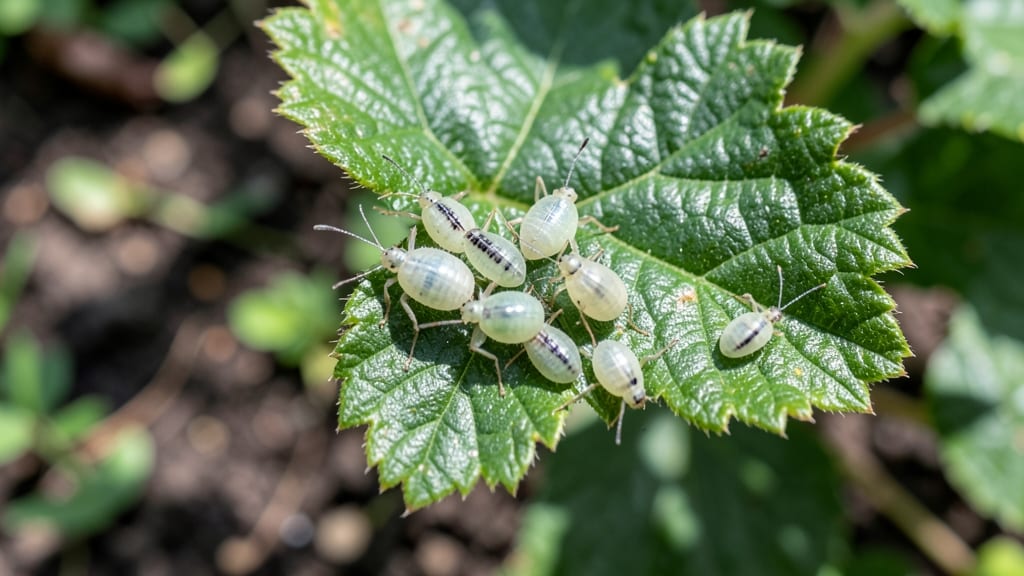
Mulberry tree insects can turn your backyard shade tree into a pest battleground—unless you know what to watch for. 🌿 I've battled everything from mulberry pyral moths to stubborn scale insects, and the key to saving your tree is acting fast when you spot the first signs: chewed leaves, sticky sap, or those telltale webs clinging to branches.
The worst offenders aren't just unsightly—they weaken your tree over time. Mulberry pyral moths skeletonize leaves, aphids cluster like cotton on stems, and scale insects drain sap, leaving behind a waxy shell that's harder to remove than you'd think.
The good news? Most of these pests respond to early intervention with simple, organic methods that don't require harsh chemicals.
You'll learn to identify each pest by its damage pattern—no degree in entomology required—and how to treat them using neem oil, insecticidal soap, or even a strong spray of water for those pesky aphids.
Within a week of proper treatment, you'll see new growth pushing through, and those sticky sap trails will disappear for good.
Works for both young saplings and mature trees, and the techniques scale whether you're dealing with a single branch infestation or a full-blown attack. Let's get your mulberry tree back to its full, lush self—without the pests.
Root Causes Of Mulberry Tree Pests
Understanding why mulberry trees attract insects starts with recognizing their natural appeal. These trees offer a nutrient-rich feast—sap, leaves, and fruit—that draws pests like moths, beetles, and mites. Below are the key reasons mulberry trees become insect hotspots, broken down by biology, environment, and tree health.
Mulberry trees produce high-sugar, soft leaves and sweet berries, making them a prime target for hungry insects. Here’s why:
- Leaf Chemistry: Mulberry leaves contain soluble sugars and amino acids, which act like a magnet for sap-sucking pests (e.g., spider mites, aphids, and scale insects).
- Fruit Ripeness: Overripe or damaged mulberries release fermentation signals, luring fruit flies and beetles that seek easy meals.
- New Growth Vulnerability: Young, tender leaves are less defended chemically, making them ideal for caterpillars (like the mulberry silk moth) to feed on.
Pro Tip: 💡 Prune overripe fruit promptly to reduce attractants. Thin branches to improve airflow, which discourages fungal growth—a secondary food source for some insects.
Stressed mulberry trees are weaker defensively, making them easier targets. Common stress factors include:
| Stress Factor | How It Affects Pests | Solution |
|---|---|---|
| Drought | Weakens bark, making it easier for borers to penetrate | Deep watering (1–2x/week in dry seasons) |
| Overwatering | Promotes fungal diseases (e.g., powdery mildew), which attract insects | Ensure well-draining soil; avoid soggy roots |
| Nutrient Deficiency | Yellowing leaves (chlorosis) signal poor health, attracting sap-suckers | Fertilize with balanced NPK (e.g., 10-10-10) in early spring |
| Physical Damage | Cracks or wounds from pruning/branches invite borers | Seal wounds with pruning paint (optional) |
Warning: ⚠️ Aphids and mites thrive in crowded, shaded trees—thin branches to 20–30% sunlight exposure to deter them.
Insect populations explode during specific conditions, often tied to mulberry trees’ life cycles:
- Spring Flush: Rapid new growth in spring boosts sap flow, attracting aphids and scale insects.
- Summer Heat: Dry, hot weather weakens tree defenses, making it harder to fight off mites and borers.
- Fall Fruit Drop: Rotting berries on the ground breed fruit flies and beetles, which then reinfest the tree.
Seasonal Action Plan:
- Spring: Apply neem oil to deter early-season pests.
- Summer: Monitor for spider mites (they love dry heat)—use hose blasts to knock them off.
- Fall: Rake up fallen fruit to starve overwintering insects.
Even well-maintained mulberry trees can suffer if their surroundings encourage pests:
- Adjacent Crops: Nearby corn, grapes, or citrus may harbor shared pests (e.g., Japanese beetles).
- Weeds & Debris: Leaf litter and grass clippings provide hiding spots for egg-laying insects.
- Over-Fertilization: Excess nitrogen softens leaves, making them easier for caterpillars to devour.
Quick Fix: 🌿 Clear a 3-foot radius around the tree of weeds and mulch with wood chips (not fresh grass clippings) to reduce pest shelter.
Practical ways to combat mulberry tree pests
Now that you’ve identified the culprits—whether they’re sap-sucking aphids, leaf-munching caterpillars, or wood-boring beetles—it’s time to take action! The good news? Most mulberry tree pests can be managed naturally and effectively with the right techniques.
Below, we’ve mapped out targeted solutions for each common pest, along with preventive measures to keep your tree thriving long-term.
Signs: Sticky residue (honeydew), curled leaves, or tiny clusters of insects on stems.
🔥 Immediate Fixes
- Blast Them Off 💦 Use a strong stream of water from your hose to dislodge aphids and scales. Repeat every 3–4 days until they’re gone. Pro tip: Do this in the early morning so the tree has time to dry out and prevent fungal growth.
- Neem Oil Spray 🌿 Mix 1 tsp neem oil + 1 tsp mild soap + 1 quart water in a spray bottle. Apply evenly on both leaf surfaces and stems.
Reapply every 5–7 days for 2–3 weeks. Why it works: Neem oil disrupts their life cycle and deters future infestations.
- Beneficial Insects 🐞 Introduce ladybugs, lacewings, or parasitic wasps (available at garden centers). These predators love aphids and will keep populations in check naturally.
🛡️ Prevention Tips
- Encourage Antagonists: Plant dill, fennel, or marigolds near your mulberry tree to attract aphid-eating insects.
- Prune Regularly: Remove heavily infested branches and dispose of them in a sealed trash bag.
- Healthy Soil = Strong Defense: Mulberry trees with balanced nutrients (especially nitrogen) are less attractive to pests.
Use compost or organic fertilizer in spring.
Signs: Holes in leaves, rolled or tied leaves, or frass (insect droppings).
🍳 Organic Traps & Barriers
- Bacillus Thuringiensis (Bt) Spray 🌱 This natural bacteria is toxic only to caterpillars. Mix as directed and spray directly on leaves (especially undersides where eggs are laid). Reapply after rain. Best for: Young caterpillars—it won’t harm adult moths.
- Handpick & Destroy 👨🍳 Wear gloves and physically remove large caterpillars or egg masses. Drop them into soapy water to kill them instantly. Pro tip: Check leaf undersides and bark crevices—that’s where eggs hide!
- Pheromone Traps 🎣 Hang moth-specific traps (like for gypsy moths) in the tree’s canopy. These disrupt mating and reduce egg-laying.
🛡️ Prevention Tips
- Disrupt Egg-Laying: Wrap the trunk with tree bands coated in petroleum jelly or Tanglefoot to trap crawling larvae.
- Encourage Birds: Install a bird feeder nearby—robins, chickadees, and wrens devour caterpillars.
- Avoid Over-Fertilizing: Too much nitrogen makes leaves softer and more appealing to chewers.
Signs: Sawdust-like frass at the base of the tree, D-shaped exit holes, or wilting branches.
⏰ Early Intervention Steps
- Prune Infested Branches 🪓 Use sterilized pruners to cut out borer-damaged wood (at least 6 inches beyond visible holes).
Burn or bag the debris—do not compost. Warning: If the tree is heavily infested, consult an arborist to avoid spreading larvae.
- Beneficial Nematodes 🐛💀 Apply Heterorhabditis bacteriophora nematodes to the soil around the tree’s drip line. These microscopic worms seek out and kill borer larvae within days. How to apply: Water the soil first, then sprinkle nematodes in the early evening (they die in sunlight).
- Wood Ash or Diatomaceous Earth 🌋 Sprinkle food-grade diatomaceous earth around the base of the tree (avoid direct contact with bark). It dries out borer larvae on contact. Reapply after rain.
🛡️ Prevention Tips
- Keep the Tree Healthy: Mulberry trees under stress (drought, poor soil) are more vulnerable. Water deeply during dry spells and mulch to retain moisture.
- Inspect New Plants: Before adding new trees, quarantine them for 2 weeks and check for borer signs.
- Avoid Wounding the Tree: Minimize pruning in late summer (when borers are most active) to reduce entry points.
No matter the pest, a strong mulberry tree is your best defense. Follow these year-round habits to keep invaders at bay:
✅ Water Deeply & Consistently – Mulberry trees hate drought stress, which attracts pests. 1–2 inches of water per week (more in extreme heat).
✅ Mulch Properly – Apply 2–3 inches of organic mulch (wood chips, straw) 3 inches away from the trunk to deter borers and retain moisture.
✅ Monitor Regularly – Check both leaf surfaces, bark, and soil every 2 weeks during growing season. Early detection = easier fixes!
✅ Rotate Natural Treatments – If pests return, switch methods (e.g., neem oil one season, Bt the next) to prevent resistance.
Final Thought: Most mulberry tree pests can be managed without harsh chemicals—it just takes consistency and vigilance. Start with one or two methods from above, and your tree will bounce back stronger than ever! 🌳💪
Frequently asked questions
What are the most common mulberry tree pests I should watch for?
The top offenders include mulberry pyral moths (they skeletonize leaves), aphids (leave sticky honeydew), scale insects (create waxy bumps), and borers (produce sawdust-like frass). Spider mites and Japanese beetles also target mulberries during peak growing seasons.
How do I tell if my mulberry tree has an insect problem?
Look for chewed leaves, sticky residue (honeydew), tiny webs, or unusual holes in foliage. Check leaf undersides and bark crevices for clusters of insects. Wilting branches or sudden leaf drop can signal severe infestations.
Are there chemical-free ways to treat mulberry tree insects?
Try neem oil spray (mix 1 tsp oil + 1 tsp soap + 1 quart water), hose blasts for aphids, or beneficial nematodes for borers. Bacillus thuringiensis (Bt) targets caterpillars safely. For severe cases, handpicking insects or using pheromone traps works too.
Can mulberry tree pests spread to other plants in my garden?
Yes, some pests like Japanese beetles or aphids can jump to nearby plants, especially if your garden has corn, grapes, or roses. Maintain a 3-foot weed-free zone around your mulberry tree and monitor adjacent plants regularly.
How often should I inspect my mulberry tree for insects?
Check your tree every 2 weeks during growing season (spring to fall). Focus on new growth, leaf undersides, and bark—these are prime hiding spots. After rain or when you notice unusual leaf damage, inspect immediately.