
Trees
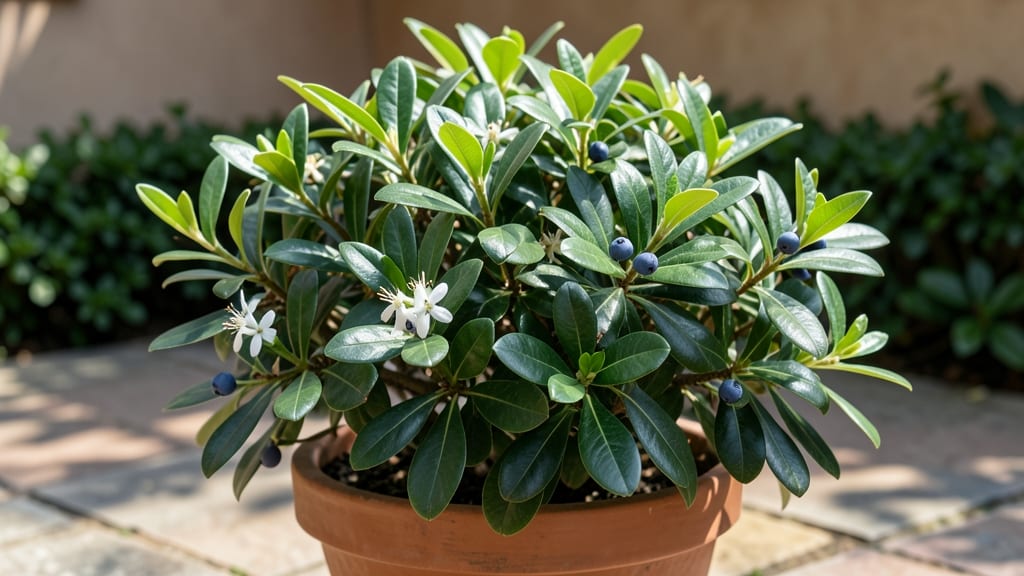
Myrtle tree leaves turn yellow or brown faster than you'd expect—unless you know the hidden triggers lurking in your yard. 🌿 The moment I spotted those telltale spots on my 5-year-old tree, I realized it wasn't just age or neglect; it was a silent battle between pests, fungal spores, and my own watering mistakes.
Most problems start small: spider mites hiding on the undersides of leaves, scale insects sucking sap, or powdery mildew creeping in after a damp summer. The good news? Each issue has a targeted fix—from neem oil sprays to adjusting watering schedules—without harsh chemicals that harm the tree's delicate balance.
Within weeks, those struggling leaves can bounce back to their glossy, aromatic best.
📚 In This Guide
- What you need
- Instructions
- Tips and common mistakes
- Wrapping up and next steps
What you need
- ● Fresh or dried myrtle leaves: 1–2 cups (fresh) or ½ cup (dried) for culinary use (adjust based on recipes).
- ○ Optional: Myrtle berries (if available) for added flavor.
- ● Harvesting tools: Pruning shears or sharp scissors (for clean cuts).
- ○ Gloves (optional, to protect hands from prickly stems).
- ● Drying equipment (if preserving): Paper towels or clean cloth.
- ● Air-dry rack, mesh bag, or brown paper bags (for airflow).
- ○ Dehydrator (optional, for faster drying).
- ● Storage containers: Air-tight jars or resealable bags (for dried leaves).
- ● Glass containers (for fresh leaves, if short-term storage).
- ● Food processor or mortar & pestle (for grinding dried leaves into powder).
- ● Labeling tags (to track harvest dates).
- ● Essential oil diffuser (if extracting myrtle oil for aromatherapy).
- ● Recipe cards or notebook (to jot down your favorite myrtle-infused dishes!).
Step-by-step guide to growing and harvesting myrtle tree leaves
Here's how to cultivate your own fragrant myrtle leaves—whether you're growing it as a shrub or container plant.
🌱 Step 1: Choose the Right Location and Plant Your Myrtle
Myrtle thrives in full sun to partial shade, so pick a spot with at least 6 hours of sunlight daily. It tolerates poor, dry soil but grows best in well-draining, slightly alkaline conditions. For container growing, use a pot at least 12 inches deep with drainage holes.
Plant in early spring after the last frost. Dig a hole twice as wide as the root ball but no deeper. Place the plant so the top of the root ball sits 1 inch below soil level—this prevents stem rot. Water deeply right after planting to settle the soil around the roots. You'll know it's settled when the surface looks firm but not compacted.
☀️ Step 2: Maintain Sunlight and Watering for Healthy Growth
Myrtle is drought-tolerant once established, but young plants need consistent moisture. Water once a week during the first growing season, ensuring the soil stays 2-3 inches deep moist. Overwatering causes root rot, so always check before watering—stick your finger in the soil. If it feels dry, it's time to water.
After the first year, reduce watering to every 2-3 weeks unless you're in extreme heat or drought. Myrtle leaves wilt slightly in dry conditions but bounce back quickly when watered. This resilience is why it thrives in Mediterranean climates—it's built to handle neglect.
✂️ Step 3: Prune for Shape and Encourage Bushier Growth
Prune myrtle in late winter or early spring before new growth begins. Remove any dead, diseased, or crossing branches first. Then, trim back overgrown branches by one-third to encourage bushier growth. Use clean, sharp pruners to make cuts just above a leaf node or bud.
For container-grown myrtle, prune lightly throughout the growing season to maintain shape. Pinch back new growth at the tips to promote branching. You'll notice new side shoots forming within 2-3 weeks—this is your sign the plant is responding well. Never prune more than 30% of the plant at once, or you risk stressing it.
🌿 Step 4: Harvest Leaves for Culinary and Medicinal Use
Harvest myrtle leaves anytime, but the best flavor comes from young, tender leaves. Snip individual leaves or small sprigs with clean scissors or pruners. Avoid taking more than one-third of the foliage at a time—this ensures the plant keeps producing new growth.
Dry the leaves for long-term storage by tying small bundles and hanging them upside down in a dry, dark place for 1-2 weeks. The leaves are ready when they crumble easily between your fingers. Store dried leaves in an airtight container away from light. Fresh leaves keep in the fridge for 1-2 weeks wrapped in a damp paper towel.
Tips & tricks for perfect myrtle tree cultivation
Real talk: Growing myrtle is one of those rewarding experiences where patience pays off big time. Here’s how to avoid common pitfalls and maximize your harvest.
Location is Everything: While myrtle tolerates partial shade, those 6 hours of sunlight daily are non-negotiable for robust growth. If you're in a shadier climate, position your container in the sunniest spot you have—even a balcony works. I’ve seen myrtle in partial shade survive, but the leaves lose that signature intense aroma and flavor. Think of it like a Mediterranean vacation for your plant—it wants that bright, consistent light.
Soil Secrets: Myrtle’s love for well-draining, slightly alkaline soil is often overlooked. If your soil is heavy clay, mix in a generous amount of perlite or coarse sand to improve drainage. For container growing, use a cactus or succulent mix—it’s perfect for myrtle’s drought-tolerant nature. Confession: I skipped this step my first year and ended up with a sad, waterlogged plant. Don’t make my mistake!
Pruning Payoff: That one-third trim in Step 3 isn’t just about aesthetics—it’s about encouraging bushier growth and better air circulation. When you see new side shoots forming within 2-3 weeks, that’s your plant thanking you. Pro tip: Always prune just above a leaf node or bud. I learned this the hard way after pruning too close to the stem and losing a branch entirely.
Harvesting Like a Pro: Young, tender leaves are the gold standard for flavor, but don’t go overboard. Taking more than one-third of the foliage at once stresses the plant. Instead, harvest small sprigs regularly—this keeps your myrtle productive year after year. For drying, bundle the leaves and hang them upside down in a dark, dry place. After 1-2 weeks, they’ll be ready when they crumble easily between your fingers. Trust me on this—dried myrtle leaves keep their magic for months!
Pro Tips for Myrtle Tree Leaves
- Real talk: Growing myrtle is one of those rewarding experiences where patience pays off big time.
- Location is Everything: While myrtle tolerates partial shade, those 6 hours of sunlight daily are non-negotiable for robust growth.
- Soil Secrets: Myrtle’s love for well-draining, slightly alkaline soil is often overlooked.
Frequently asked questions
Got questions about harnessing the magic of myrtle tree leaves? You’re not alone! Here are some of the most common queries—plus quick, practical answers to help you make the most of this versatile herb.
When is the best time to harvest myrtle leaves?
The ideal time to harvest myrtle leaves is just before flowering in spring or early summer. This ensures the leaves are tender and packed with flavor. Avoid harvesting after heavy rain or frost, as moisture can dilute their potency. For year-round use, store dried leaves in airtight containers away from light.
Are myrtle leaves safe to eat raw?
Yes, but in moderation! While myrtle leaves are edible raw, they have a strong, slightly bitter taste. Many prefer them cooked (e.g., in stews, teas, or marinades) to mellow their flavor. Start with small amounts to test your tolerance—some people experience mild digestive sensitivity if overconsumed.
Can I substitute myrtle leaves for other herbs?
Myrtle leaves offer a piney, citrusy depth that works well as a substitute for rosemary, thyme, or bay leaves in savory dishes. For teas, they can replace oregano or sage. However, their flavor is unique, so adjust quantities gradually. Pair them with garlic, lemon, or olive oil to enhance their profile.
How do I dry myrtle leaves for long-term storage?
Drying myrtle leaves preserves their flavor and medicinal properties. Bundle 5–10 leaves together with a rubber band, then hang upside down in a dark, well-ventilated space for 2–3 weeks. Alternatively, spread leaves on a baking sheet at 175°F (80°C) for 1–2 hours. Once crisp, store in glass jars away from sunlight for up to a year.
What are the top medicinal benefits of myrtle leaves?
Myrtle leaves have been used for centuries in traditional medicine for their anti-inflammatory, antimicrobial, and digestive-soothing properties. Steep them in hot water for a tea to ease coughs, sore throats, or indigestion. Some studies suggest they may also support respiratory health and wound healing—though always consult a healthcare provider for serious conditions.
Wrapping up and next steps
Myrtle tree leaves are a true culinary and medicinal gem—packed with flavor, healing properties, and year-round versatility! Whether you’re sprucing up dishes, brewing soothing teas, or exploring natural remedies, these aromatic leaves offer endless possibilities. 🌿✨
Ready to harness their magic? Start by planting a myrtle tree in your garden or experiment with dried leaves from a trusted source. The more you explore, the more you’ll uncover their hidden potential—both in the kitchen and beyond!