
Pruning
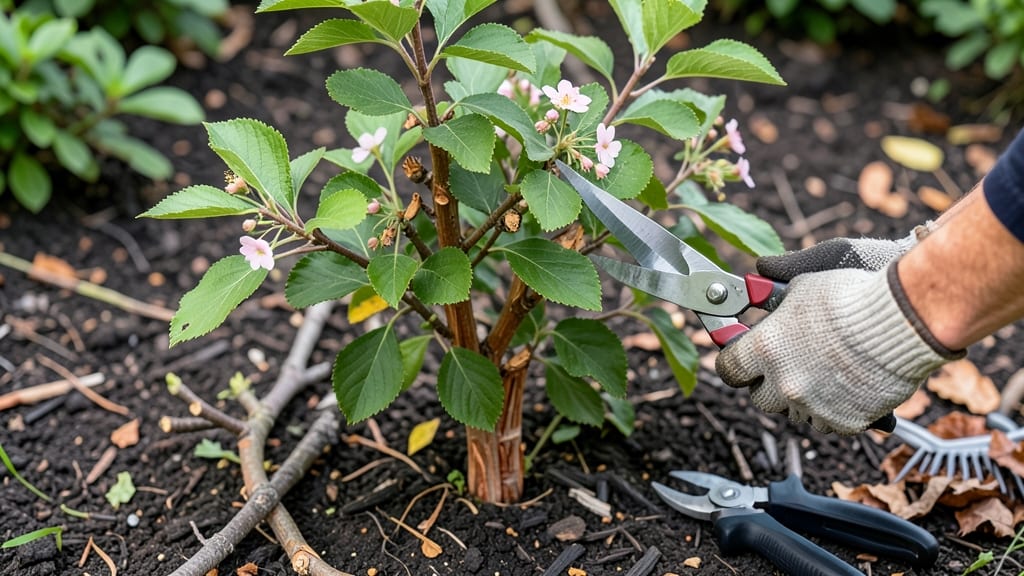
Pruning ninebark trees in late winter or early spring unlocks their full potential—thicker foliage, more flowers, and that shockingly lush look that makes neighbors ask how you did it. 🌿 I’ve pruned mine for years, and the difference between a neglected bush and a showstopper comes down to timing, technique, and a few sharp cuts.
The best part? You can shape it like a pro without needing a green thumb.
You’ll need clean pruners, a ladder (if it’s tall), and gloves—that’s it. The real work happens in 3 simple steps: removing dead wood first, thinning out crowded branches, and shaping the outer form.
Ninebark is forgiving, so even if you mess up, it bounces back. The key is cutting just above a bud or branch collar to encourage new growth where you want it.
By summer, your tree will reward you with vibrant new leaves and clusters of pink or white flowers. Improved airflow means fewer pests, and the branches stay strong enough to handle snow.
The secret? Prune before buds swell in late winter or early spring—never in fall, or you risk winter dieback.
For older trees that’ve gotten leggy, rejuvenation pruning works wonders: cut back one-third of the oldest stems to the ground each year for 3 years. It’s dramatic, but the results are embarrassingly productive—thicker, bushier growth that looks like it’s been professionally landscaped.
Just avoid over-pruning, or you’ll stunt its flowering for the season.
📚 In This Guide
- What you need
- Instructions
- Tips and common mistakes
- Wrapping up and next steps
What you need
- ● Pruning shears – Bypass pruners (sharp, 5–7-inch blades) for clean cuts on small branches.
- ● Loppers – 8–12-inch handles for thicker branches (½–1½ inches in diameter).
- ● Pruning saw – Curved-tooth blade (for branches too thick for loppers, 2+ inches).
- ● Gloves – Heavy-duty, cut-resistant (e.g., leather or reinforced fabric) to protect your hands.
- ● Disinfectant – Rubbing alcohol (70%+) or household bleach (1 part to 9 parts water) to sterilize tools between cuts.
- ● Ladder – Sturdy, extendable (if your tree is taller than 6 feet). Safety first!
- ● Heavy-duty trash bags – For collecting pruned branches (1–2 bags, depending on tree size).
- ● Rag or paper towels – For wiping down tools and hands.
- ● Hand pruners with ratcheting handles – For extra leverage on stubborn branches.
- ● Pole saw – If your tree has high branches beyond ladder reach.
- ● Sealing wax or pruning paint – (Controversial!) Some gardeners use it on large cuts to prevent disease, but research shows it’s often unnecessary for ninebark.
- ● Work boots or closed-toe shoes – To protect your feet from dropped branches.
- ● Safety glasses – Especially if sawing thick branches.
Step-by-step ninebark tree pruning for healthy growth
Reviving your ninebark’s dormant branches takes precision timing and the right cuts—here’s how to do it right.
🌿 Step 1: Identify the Best Time to Prune
Ninebark thrives when pruned during late winter or early spring, just before new growth begins. This timing ensures you remove dead wood while stimulating fresh foliage. I always check for bud swell—those plump, rounded buds signal the tree’s readiness to wake up. Avoid pruning in fall, as late cuts can leave branches vulnerable to winter dieback.
If your ninebark has overgrown but you missed the ideal window, you can lightly shape it in early summer after flowering. Just avoid heavy cuts then—you’ll risk stunting next year’s blooms. The key is patience: wait until you see new shoots emerging before making any significant pruning moves.
✂️ Step 2: Remove Dead, Diseased, or Crossing Branches
Start by inspecting the tree for dead branches—they’ll be brittle, snap easily, and lack bark. Use sharp pruning shears to cut these back to the main trunk or a healthy lateral branch. Next, look for branches rubbing against each other or growing inward; these crossing branches compete for sunlight and weaken the tree’s structure. Remove them at the branch collar, the swollen area where the branch meets the trunk.
I always make cuts just outside the branch collar, at a 45-degree angle if the branch is larger than ½ inch thick. For smaller branches, a clean, straight cut works best. Avoid leaving stubs—these invite disease and rot. If a branch is diseased, sterilize your tools with rubbing alcohol between cuts to prevent spreading pathogens.
☀️ Step 3: Thin the Canopy for Better Airflow
Ninebark’s layered branches create a beautiful, airy silhouette, but over time, they can get too dense. To revive dormant growth, thin out 20-30% of the canopy by removing branches from the inside of the tree. Focus on branches that are thinner than a pencil—these won’t harm the tree’s structure but will improve light penetration and airflow. You’ll know you’ve done enough when you can see light filtering through the branches from above.
Step back occasionally to assess the tree’s shape. Ninebark responds well to an open-center form, so avoid cutting back too aggressively on the outer branches. If the tree looks lopsided, prioritize branches on the denser side to restore balance. The goal is to encourage new growth from the center, where sunlight can reach.
⏰ Step 4: Revitalize Dormant Branches with Strategic Cuts
For branches that have stopped growing or are bare at the tips, rejuvenation cuts can spark new life. Identify the lowest set of healthy buds on the branch and cut just above them at a 45-degree angle. This forces the tree to redirect energy downward, often producing a bushier, more vibrant growth pattern. I’ve seen ninebark branches that looked completely dead come back with lush new foliage within a season after this technique.
If a branch is completely bare and woody, it may be beyond revival. In that case, remove it entirely at the branch collar. Never leave a stub—it’s a surefire way to invite rot or disease. After pruning, water the tree deeply to help it recover. You’ll notice new shoots emerging within 4-6 weeks if the timing and cuts were right.
🌱 Step 5: Clean Up and Monitor for Recovery
Once you’ve finished pruning, rake up and dispose of all debris—diseased branches and clippings can harbor pests or pathogens. Sterilize your tools again with rubbing alcohol to ensure they’re ready for the next job. Ninebark is a resilient tree, but proper cleanup prevents future issues. I always make a note of the year’s pruning in my garden journal to track growth patterns over time.
In the weeks following pruning, keep an eye out for new leaf growth and bud break. If you see yellowing leaves or wilting, it could signal over-pruning or stress. In that case, reduce watering slightly and avoid fertilizing until the tree shows signs of recovery. With the right cuts, your ninebark should reward you with vibrant foliage and renewed vigor by next spring.**
Tips & tricks for perfect ninebark tree pruning
Reviving a ninebark doesn't require guesswork—just a few strategic moves that make all the difference.
Timing is Everything: The late winter/early spring window is non-negotiable for optimal results. I've seen trees that missed this timing struggle with weak regrowth, so mark your calendar for when bud swell appears—those plump buds are your green light. For summer pruning, wait until after flowering but before buds form again, or you'll compromise next year's blooms. The key is always watching for new growth signals rather than following a fixed date.
Tool Prep Makes the Difference: Sterilizing your pruning shears between cuts (especially when dealing with diseased branches) prevents pathogen spread. I keep rubbing alcohol and a clean rag right by my work area—this simple step has saved multiple trees from fungal infections. Also, ensure your blades are sharp; dull tools crush rather than cleanly cut, creating larger wounds that heal poorly. A quick test: if a branch snaps cleanly, your tools are ready.
Canopy Thinning Strategy: When aiming for that 20-30% canopy reduction, focus on branches thinner than a pencil from the tree's interior. These cuts improve airflow without compromising structure. I step back every few minutes to check light penetration—if sunlight can filter through the outer branches, you've achieved the right balance. Remember, ninebark thrives with an open center form, so avoid aggressive outer branch cuts that can create lopsided growth patterns.
Recovery Monitoring: After pruning, track progress by watching for new shoots within 4-6 weeks. I've found that keeping a simple garden journal with photos before/after pruning helps track recovery patterns. If you notice yellowing leaves or wilting, it's often a sign of over-pruning—reduce watering slightly and avoid fertilizing until the tree shows signs of recovery. The tree's natural resilience will handle the rest once you've given it the right conditions.
Pro Tips for Ninebark Tree Pruning
- Reviving a ninebark doesn't require guesswork—just a few strategic moves that make all the difference.
- Timing is Everything: The late winter/early spring window is non-negotiable for optimal results.
- Tool Prep Makes the Difference: Sterilizing your pruning shears between cuts (especially when dealing with diseased branches) prevents pathogen spread.
Frequently asked questions
Got questions about keeping your ninebark tree healthy with pruning? You’re not alone! Here are some of the most common concerns—plus clear, actionable answers to keep your shrub thriving.
When is the best time to prune a ninebark tree?
The ideal window is late winter or early spring (before new growth starts) to remove dead or weak branches. For shaping, spring or early summer works too—just avoid heavy pruning in fall, as it can stimulate tender growth that won’t survive frost. Pro tip: If you must prune in summer, do it in stages to avoid stressing the plant.
How much can I trim back a ninebark tree?
Ninebarks are hardy cutters—you can safely remove up to one-third of the plant’s growth in a single session. For rejuvenation, prune back old stems to the ground (they’ll regrow from the base). Just avoid over-pruning in one go, or you might stunt new growth. Need a refresh? Spread it out over 2–3 years for dramatic results.
What if my ninebark isn’t blooming after pruning?
Blooms appear on old wood, so aggressive summer pruning can reduce flowers. If it’s not blooming, check for:
- Over-pruning in spring (wait until after flowering to trim).
- Poor sunlight (they need full sun for best blooms).
- Nutrient deficiency (add compost or a balanced fertilizer in early spring).
If the issue persists, your ninebark might be too young—they often take 2–3 years to establish blooming.
Should I sterilize my pruners between cuts?
Absolutely! Sterilizing pruners with rubbing alcohol or a 10% bleach solution between cuts prevents spreading bacterial or fungal diseases (like powdery mildew). Wipe them down after each plant, especially if you’re pruning multiple ninebarks or other shrubs. Bonus: A sharp blade makes cleaner cuts and reduces stress on the plant.
Can I shape a ninebark into a tree form?
Yes! Ninebarks are highly adaptable to topiary. To create a tree shape:
- Select 3–5 strong stems at the base to form the trunk.
- Prune side branches to encourage upward growth.
- Use hand pruners for detail work and hedge shears for broader shaping.
Be patient—it may take a season or two to fill out. Tip: Start with a natural framework to avoid looking too rigid!
What if my ninebark looks leggy after pruning?
Leggy growth usually means too much shade or over-pruning. Fix it by:
- Moving it to a sunnier spot (6+ hours of light daily).
- Pruning back overly long stems to encourage bushier growth.
- Fertilizing lightly in spring with high-nitrogen (like 10-10-10) to boost foliage.
With time, your ninebark should fill out—just avoid heavy cuts in the same spots yearly.
Wrapping up and next steps
Pruning your ninebark tree doesn’t have to be intimidating—it’s all about timing, technique, and a little patience! 🌿 By following the right steps, you’ll encourage vibrant growth, improve airflow, and keep your shrub looking its best year after year.
Remember, less is often more, and a sharp pair of pruners is your best friend.
Now that you’re armed with the know-how, grab your tools and give your ninebark the TLC it deserves. Ready to transform your landscape? Start small, stay consistent, and watch your tree thrive! 🌟 (And if you’re still unsure, revisit our FAQs or consult a local arborist for personalized advice.)