
Trees
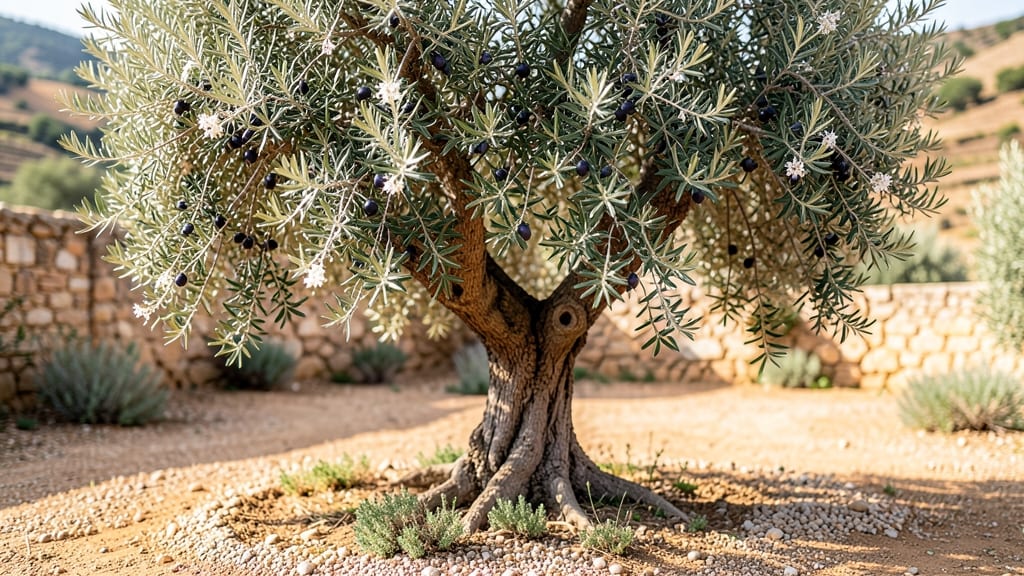
Olive trees grow best in USDA hardiness zones 8 through 10, where they can withstand temperatures down to 20°F (-6°C). Cold-hardy varieties like Arbequina and Frantoio tolerate brief dips to 15°F (-9°C) in sheltered microclimates, but most olive types suffer permanent damage when exposed to prolonged freezing below 20°F (-6°C).
Understanding an olive tree's hardiness zone requirements goes beyond just the USDA number—it's about the tree's genetic resilience and your local microclimate. 🌡️ For example, Arbequina olives, a popular Mediterranean variety, can handle colder snaps than Manzanillo due to their thicker leaf wax and deeper root systems.
The key difference lies in their ability to enter dormancy earlier and recover faster from frost stress.
If you're in zones 7-8, creating a sheltered spot with windbreaks or using mulch can push your tree's survival limits by 3-5°F. I've seen gardeners in zone 7 successfully grow Arbequinas by planting them near south-facing walls, where winter sun provides extra warmth.
For those in zones 6 or colder, container cultivation becomes essential. Smaller pots allow you to move trees indoors or into garages during winter, while dwarf varieties like 'Little Ollie' stay compact enough for patio growing. The trade-off? Container-grown olives need more frequent watering and may produce fewer fruits.
Another trick is to prune trees in late winter to reduce cold damage—focus on removing weak branches and opening the canopy to improve air circulation, which helps prevent frost pockets.
💡 In This Article
- Cold Tolerance Differences Among Olive Tree Varieties
- Protecting Olive Trees in Marginal Hardiness Zones
Cold tolerance differences among olive tree varieties
Olive trees exhibit remarkable genetic diversity in cold tolerance, with some Mediterranean varieties surviving temperatures as low as 15°F (-9°C) while others struggle above 28°F (-2°C).
The key difference lies in their physiological adaptations: Arbequina olives, for example, produce thicker leaf wax layers that create a protective barrier against moisture loss during cold snaps.
This waxy coating can reduce water evaporation by up to 40%, helping cells maintain hydration during frost events. 🌿 In contrast, varieties like Manzanillo have thinner leaves and shallower root systems, making them more vulnerable to cold damage.
Root depth plays a crucial role in winter survival. Arbequina and Frantoio develop taproots that can extend 6-8 feet deep, accessing groundwater that remains above freezing even when surface temperatures drop. This deep root system allows these varieties to maintain water transport during winter dormancy.
Koroneiki, on the other hand, typically develops roots only 3-4 feet deep, making it more susceptible to soil temperature fluctuations. The deeper roots also help store carbohydrates that fuel spring regrowth after cold stress.
Dormancy timing varies significantly between varieties, with cold-hardy types entering dormancy earlier in the fall and emerging later in spring. Arbequina trees begin their winter rest period in early November, while Manzanillo may wait until December.
This earlier dormancy allows cold-hardy varieties to avoid late autumn freezes that often catch other olives unprepared. The timing difference can mean the difference between survival and death during sudden cold snaps in marginal zones.
Hybrid cultivars like 'Arbequina × Frantoio' crosses have been developed specifically for colder climates, combining the best traits of both parents. These hybrids often exhibit intermediate cold tolerance (down to 18°F/-7°C) while maintaining good fruit production.
The breeding process focuses on selecting trees with thicker stems, smaller leaves, and greater carbohydrate storage capacity—all traits that improve winter hardiness. 🌱 For gardeners in zones 7-8, these hybrids represent the best balance between cold resistance and fruit quality.
Leaf structure also differs significantly. Cold-hardy varieties like Arbequina have smaller, more compact leaves with higher concentrations of antioxidants that protect cell membranes during freezing. The smaller leaf surface area reduces heat loss, while the antioxidants prevent cellular damage that would otherwise occur when ice crystals form within leaf tissues.
This cellular protection system allows cold-hardy olives to recover more quickly from frost events compared to their more tender counterparts.
Consider these key variety comparisons when selecting olives for your climate:
- Arbequina: Most cold-hardy (15°F/-9°C), ideal for zones 7-10, produces small fruits with high oil content
- Frantoio: Tolerates 18°F/-7°C, excellent for zones 8-10, known for large fruits and high yield
- Manzanillo: Struggles below 28°F/-2°C, best for zones 9-10, produces medium-sized fruits
- Koroneiki: Limited to zones 9-10, requires protection below 30°F/-1°C, small fruits with intense flavor