
Blooming
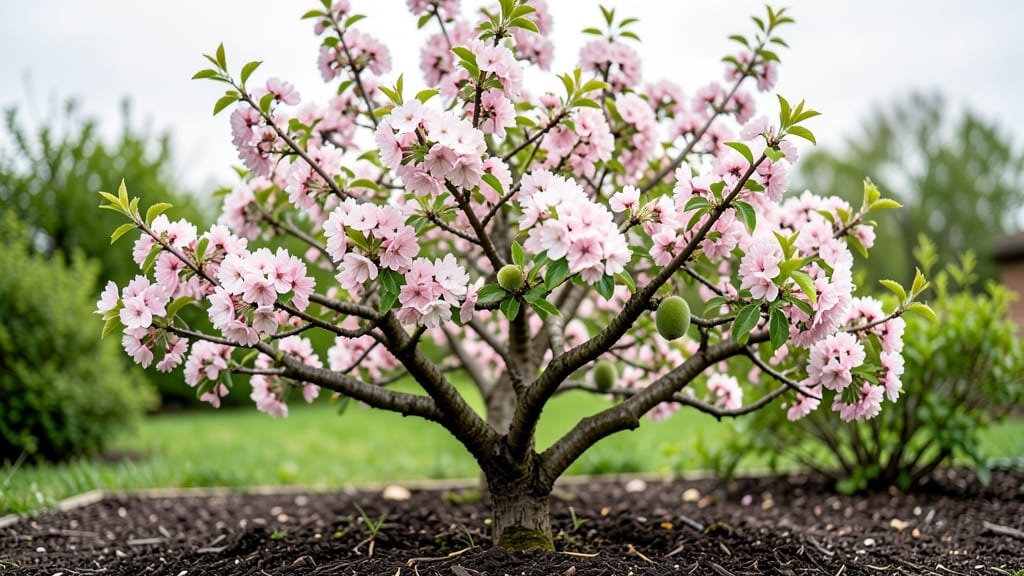
Peach trees bloom in late spring 🍑, with timing that shifts by hundreds of miles and the exact variety you’ve planted.
Timing your peach tree bloom correctly means the difference between a bountiful harvest and wasted blossoms—knowing exactly when to expect those delicate pink flowers can save you from frost damage and poor yields.
If you’ve ever watched your tree burst into bloom only to have a late frost wipe out the flowers, you know how critical this window is.
The right variety for your USDA Zone could mean blooms as early as March in warmer areas or as late as May in cooler climates.
Below, I break down the exact bloom months by zone, the best varieties for your region, and how to protect those blossoms from frost—so you can go from panicked gardener to confident peach grower.
Peach tree bloom time by USDA climate Zones: exact months for peak flowering
Peach trees burst into pink and white blossoms each spring, but the exact timing depends heavily on your USDA climate zone. In Zone 5, blooms arrive as early as late April, while gardeners in Zone 9 may see flowers by February.
Understanding these windows helps you protect blossoms from frost and plan for the best fruit set. The chilling hours your tree receives—typically 400-1,000 hours below 45°F—also shift bloom timing by weeks.
Frost is the biggest threat during bloom season, especially in Zones 5-7. A single 28°F night can destroy flowers, leaving you with no peaches. In warmer zones like Zone 8-9, late-winter blooms mean you must monitor freeze warnings more closely.
Even a light frost can damage petals, reducing pollination success. Knowing your local frost dates and peach variety’s bloom window is key to avoiding disappointment.
Not all peach varieties bloom at the same time. Early-season types like 'Redhaven' may flower in March in Zone 7, while late bloomers like 'Elberta' wait until April. This variation lets you stagger plantings to extend your harvest window.
For example, pairing an early bloomer with a late bloomer can mean peaches ripening from June to August in the same yard.
Peach tree bloom time also shifts yearly based on winter chill accumulation. A mild winter with fewer chilling hours can delay blooms by 2-3 weeks, while an unusually cold snap might trigger early bud break. In Zone 6, for instance, blooms could arrive in mid-April after a harsh winter or late April after a warm one. Tracking your tree’s bud development helps you anticipate these shifts.
| USDA Zone | Peak Bloom Window | Early Varieties | Mid Varieties | Late Varieties | Frost Risk |
|---|---|---|---|---|---|
| Zone 5 | Late April - Early May | 'Redhaven' | 'Elberta' | 'Loring' | High (late spring frosts) |
| Zone 6 | Mid-April - Late April | 'Cresthaven' | 'Relenta' | 'Suncrest' | Moderate (watch early April) |
| Zone 7 | Early April - Mid-April | 'Contender' | 'Halehaven' | 'June Gold' | Low (occasional late frosts) |
| Zone 8 | Late February - Early March | 'Flavor Grenade' | 'Springcrest' | 'Tropic Snow' | Minimal (warm winters) |
| Zone 9 | January - February | 'Redtop' | 'Springcrest' | 'Flavorcrest' | Very Low (rare frosts) |
In Zone 5, where frosts linger into May, I always cover young trees with frost cloth during bloom.
The late April to early May window is critical—even a 30°F night can devastate flowers. Redhaven, an early bloomer, often flowers first, making it a high-risk choice unless you’re prepared to protect blossoms.
For Zone 6, the shift to mid-April blooms means slightly less frost risk, but early April can still bring surprises.
Gardeners in Zone 7 enjoy the
Best peach tree varieties for early, mid, and late bloom seasons
Choosing the right peach tree variety based on your region's bloom timing ensures you avoid frost damage and maximize fruit production. Early bloomers like Redhaven thrive in warmer climates, while Elberta suits mid-season gardens.
Let's break down the best options for each bloom window, including their chilling hour requirements and regional suitability.
For gardeners in USDA Zones 6-8, selecting varieties with 300-900 chilling hours is critical. Southern growers need low-chill varieties (under 300 hours), while Northern gardeners should opt for high-chill types (600+ hours). Each category offers unique flavors and growth habits, so match your climate and taste preferences carefully.
| Variety | Bloom Time | Chilling Hours | Best Zones | Flavor Profile |
|---|---|---|---|---|
| Redhaven | Late Spring (May) | 400-600 hrs | 5-9 | Sweet, juicy, clingstone |
| Elberta | Mid-Spring (April) | 500-700 hrs | 6-9 | Rich, freestone, classic |
| J.H. Hale | Early Spring (March) | 300-500 hrs | 7-10 | Tart-sweet, yellow freestone |
| Suncrest | Mid-Spring (April) | 250-400 hrs | 8-10 | Low-acid, red freestone |
| Relenta | Late Spring (May) | 600-800 hrs | 5-8 | Firm, yellow freestone |
| Contender | Early Spring (March) | 300-400 hrs | 7-10 | Yellow, sweet, clingstone |
| Fantasia | Mid-Spring (April) | 500-700 hrs | 6-9 | Red-blushed, freestone |
| O'Henry | Late Spring (May) | 400-600 hrs | 5-9 | Red, firm, freestone |
| Tropic Beauty | Early Spring (March) | 200-300 hrs | 9-11 | Yellow, low-acid |
| Crimson Snow | Mid-Spring (April) | 500-700 hrs | 6-9 | Red, sweet, freestone |
If you live in warmer climates (Zones 9-11), prioritize low-chill varieties like Tropic Beauty or Contender, which bloom earlier to avoid late frosts. These varieties also handle heat better, producing fruit even when temperatures climb above 90°F.
For colder regions (Zones 5-6), opt for high-chill types like Relenta or Redhaven, which require 600+ chilling hours to set fruit properly.
Mid-season bloomers like Elberta and Fantasia strike a balance, thriving in USDA Zones 6-9 with 500-700 chilling hours. These varieties offer reliable yields and adaptable flavor profiles, making them ideal for home orchards. Plant them in full sun and well-draining soil to ensure optimal bloom timing and fruit development.
Pro tip: Monitor your local last frost date and pair early bloomers with frost protection methods like row covers or irrigation. Late bloomers like O'Henry often produce fruit later in the season, avoiding early frost risks entirely.
Always check your microclimate—valleys and low spots can delay blooms by 1-2 weeks compared to hilltops.
For best results, prune your peach tree in late winter to open the canopy and improve airflow, which encourages even blooming and reduces disease risk. Thin fruit after bloom to ensure larger, higher-quality peaches—this step is especially important for heavy-bearing varieties like Redhaven.