
Leaf Blower
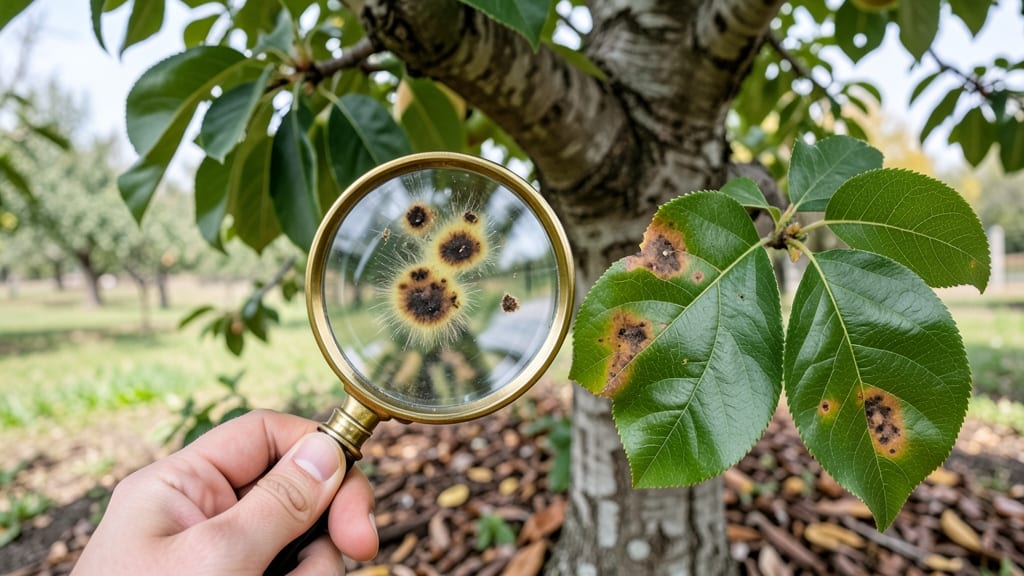
Your peach tree’s brown, crinkled leaves aren’t just unsightly—they’re a fungal blight warning. 🌿 I’ve battled peach tree leaf spots for years, and the key is catching it early before the spots turn into a full-blown crisis. The good news?
Most cases respond to simple, natural fixes if you act fast. These spots start as tiny yellow dots that expand into rust-colored or black patches, often with a white or gray center. Severe cases cause leaves to curl, drop prematurely, and weaken the tree’s ability to fruit next season.
The worst part? If ignored, the fungus spreads to branches and fruit, ruining your harvest. With the right mix of pruning, fungicide sprays, and cultural tweaks, you can revive your tree in 3-4 weeks.
I’ll walk you through the exact steps—from cleaning up fallen leaves to applying organic sprays—that stop the spread and restore your tree’s health. Even if it’s already looking rough, there’s still hope. The secret lies in prevention: proper spacing, adjusted watering, and a few seasonal maintenance habits.
Let’s turn those spots into a thing of the past—before they take over your entire tree.
Understanding Leaf Spot Triggers
Peach tree leaf spots aren’t just random blemishes—they’re often a clear signal that your tree is under attack from fungal pathogens, environmental stress, or poor cultural practices. Let’s break down the real culprits behind these unsightly (and potentially harmful) spots, so you can tackle them head-on with confidence.
Fungi are the #1 cause of leaf spots on peach trees, and they thrive in the right conditions. Here are the most common fungal offenders:
- Cercospora (Cercospora Leaf Spot)
- This fungus creates dark brown to black spots with gray centers and reddish-purple borders.
- It spreads via windborne spores, especially in warm, humid weather (70–85°F).
- Weakened trees (from drought, poor nutrition, or injury) are high-risk targets.
- Cladosporium (Cladosporium Leaf Spot)
- Produces small, circular spots that are olive-brown to gray with dark borders.
- Thrives in shady, humid conditions and can persist on fallen leaves over winter.
- Alternaria (Alternaria Leaf Spot)
- Causes concentric rings (like bullseye patterns) with dark centers.
- Favors hot, dry weather but spreads rapidly when moisture returns (e.g., after rain).
- Phyllosticta (Phyllosticta Leaf Spot)
- Leaves develop tiny, black spots with yellow halos.
- Often appears in spring when new growth is vulnerable.
💡 Pro Tip: If spots appear suddenly and spread fast, fungi are likely the culprit—especially if you’ve had recent rain, high humidity, or poor airflow around the tree.
Fungal spores need three key ingredients to take hold:
- Moisture (rain, dew, or overhead watering)
- Warmth (60–85°F ideal for fungal growth)
- Poor Air Circulation (dense foliage or crowded trees)
- 🌧️ Frequent Rain or Overwatering
- Leaves stay wet for long periods, giving fungi a feeding frenzy.
- Solution: Water at the base (not overhead) and early in the day so leaves dry quickly.
- 🌡️ Heatwaves Followed by Humidity
- Sudden temperature swings (e.g., hot days + cool nights) create condensation on leaves—fungi’s dream scenario.
- Solution: Use mulch to regulate soil moisture and prune for airflow.
- 🌿 Poor Airflow in Dense Canopies
- Tightly packed branches trap humidity and spores.
- Solution: Thin out branches to improve sunlight and airflow.
A stressed peach tree is like an open invitation for leaf spots. Common stressors include:
- 💧 Drought Stress
- Lack of water weakens the tree’s cell walls, making it easier for fungi to invade.
- Fix: Deep water 1–2 times per week (1–1.5 inches per week).
- 🍄 Nutrient Deficiencies
- Low nitrogen (N) = pale, weak leaves = easy fungal entry.
- Low potassium (K) = poor disease resistance.
- Fix: Test soil and amend with compost or balanced fertilizer (10-10-10 or 5-10-10).
- 🪴 Physical Damage (Pruning Wounds, Hail, Pests)
- Open wounds let fungi colonize the tree.
- Fix: Prune in late winter/early spring, use sterilized tools, and seal large wounds with pruning sealant.
- 🐜 Pest Infestations (Aphids, Mites, Scale)
- These pests damage leaves, creating entry points for fungi.
- Fix: Spray with neem oil or horticultural oil to control pests before fungi move in.
Sometimes, human error spreads the problem:
- Reusing pruners without cleaning them can transfer fungal spores from one tree to another.
- Using infected mulch or compost can introduce pathogens.
- Planting new trees too close to infected ones allows spores to jump.
✨ Quick Fix:
- Sanitize tools with 70% isopropyl alcohol or bleach water (1 part bleach to 9 parts water) between cuts.
- Remove and destroy heavily infected leaves (don’t compost them!).
- Space new trees at least 15–20 feet apart for better airflow.
Fungal spores overwinter in:
- Fallen leaves
- Mulch
- Weeds (like chickweed or dandelions)
If left untreated, these spores reinfect the tree the next season.
🔥 Action Step:
- Rake and remove all fallen leaves in late fall/winter.
- Solarize soil (cover with clear plastic for 4–6 weeks in summer) to kill spores.
- Avoid thick mulch layers near the trunk (keep it 2–3 inches deep).
Leaf spots on peach trees are almost always a mix of fungal activity + environmental stress. By identifying the root cause (fungus, weather, poor health, or debris), you can target treatments—whether natural sprays, cultural fixes, or preventive care—to keep your tree spot-free and thriving. 🌿💪
Fixing Fungal Foes on Peach Trees
Now that you’ve identified the culprit behind those unsightly peach tree leaf spots, it’s time to roll up your sleeves and restore your tree’s health. The good news? Most fungal issues are manageable with a mix of preventive care, targeted treatments, and natural remedies.
Below, we’ll map out the best fixes for each common cause—plus pro tips to keep your tree thriving long-term.
🔥 Cause: Cercospora thrives in warm, humid conditions, creating small, circular brown spots with yellow halos.
👨🍳 Step-by-Step Treatment:
- Prune Infected Leaves 🪓
- Remove and dispose of (not compost!) heavily spotted leaves to stop spores from spreading. Focus on lower branches where moisture lingers.
- Apply Fungicide 💊
- Copper fungicide (organic option) or neem oil spray (1 tbsp neem oil + 1 tsp mild soap per quart of water) works well. Spray both sides of leaves and the trunk, especially after rain.
- Improve Airflow 🌬️
- Thin out dense branches to reduce humidity. Space trees 12–15 feet apart if replanting.
✨ Prevention Tips:
- Water at the base (avoid overhead sprinkling) to keep leaves dry.
- Mulch properly (2–3 inches of organic mulch) to deter soil-borne spores.
- Plant resistant varieties like ‘Redhaven’ or ‘Elberta’ if brown spot is recurrent.
🔥 Cause: This fungal disease twists and thickens leaves, stunting growth. It overwinters on buds and bark.
🍳 Treatment Plan:
- Dormant Season Spray ⏰
- Apply copper fungicide or lime sulfur spray in late winter/early spring (before buds swell). Reapply after rain.
- Remove Severely Infected Branches 🌿
- Cut out and destroy curled leaves/buds to prevent reinfection.
- Boost Tree Health 💪
- Fertilize with balanced 10-10-10 in early spring to strengthen resistance.
💡 Pro Tip:
- Prune in dry weather to avoid spreading spores. Clean tools with 70% rubbing alcohol between cuts.
🔥 Cause: Dark, sunken spots with pink or orange centers—common in wet springs.
👨🍳 Action Steps:
- Rake Up Debris 🧹
- Clear fallen leaves and mummified fruit from the base of the tree to eliminate spores.
- Use Fungicidal Sprays 💧
- Potassium bicarbonate spray (1 tbsp per gallon of water) or fixed copper applied every 7–10 days during wet periods.
- Adjust Watering 💦
- Water deeply but infrequently (1–2 inches per week) to avoid prolonged leaf wetness.
🎯 Prevention Checklist:
- Space trees wider (20+ feet apart) for better airflow.
- Avoid nitrogen-heavy fertilizers (they encourage tender growth fungi love).
- Harvest fruit promptly—delayed picking spreads spores.
No matter the fungus, these universal fixes keep peach trees resilient: - Sanitize tools between trees with bleach or alcohol. - Monitor weather—fungi love 70–80°F temps + high humidity.
Plan sprays for forecasted rain. - Encourage beneficial insects like ladybugs (they eat fungal spores!). - Test soil pH (ideal: 6.0–6.5). Acidic soil (below 5.5) weakens defenses.
🚨 Emergency Alert: If more than 50% of leaves are infected, consider consulting a local arborist—severe cases may require systemic fungicides (like myclobutanil) for a full recovery.
🌟 Final Thought: With consistent care, your peach tree can bounce back—and even produce sweeter fruit next season! Start treatments at the first sign of spots, and soon, you’ll be back to enjoying shade (and peaches) without the fungal frowns. 🍑✨
Frequently asked questions about peach tree leaf spots
What do peach tree leaf spots look like at different stages?
Early spots start as tiny yellow dots (about 1/16-inch wide) that expand into rust-colored or black patches with gray centers. Advanced cases show concentric rings or white powdery growth on leaf undersides. Severe infections cause leaves to curl, brown, and drop prematurely.
Can I save my peach tree if most leaves are already spotted?
Yes, but act fast! Prune out 50%+ infected leaves immediately and apply copper fungicide every 7–10 days for 4–6 weeks. For heavy cases, combine with neem oil sprays and improve airflow by thinning branches. If over 70% of foliage is damaged, consult an arborist for systemic treatments.
How often should I spray fungicide for prevention?
Apply fungicide every 2–3 weeks during peak fungal season (spring to early summer). Start spraying at first sign of spots or when weather forecasts predict humidity + 70°F+ temps. For organic options, use baking soda spray (1 tbsp baking soda + 1 tsp oil + 1 gallon water) monthly.
Will removing infected leaves stop the spread?
Fungal spores thrive on dead leaves, so remove and destroy (don’t compost) all spotted foliage weekly during outbreaks. Focus on lower branches where moisture lingers. Pair removal with sanitizing pruners (70% alcohol) to prevent cross-contamination between branches.
Can peach tree leaf spots affect fruit quality?
Yes—severe infections can reduce fruit size, cause browning or cracking, or lead to premature dropping. Fungal spores on leaves may also contaminate fruit during rain. To protect harvests, thin fruit clusters to improve airflow and apply potassium bicarbonate sprays 2 weeks before picking.