
Flowers
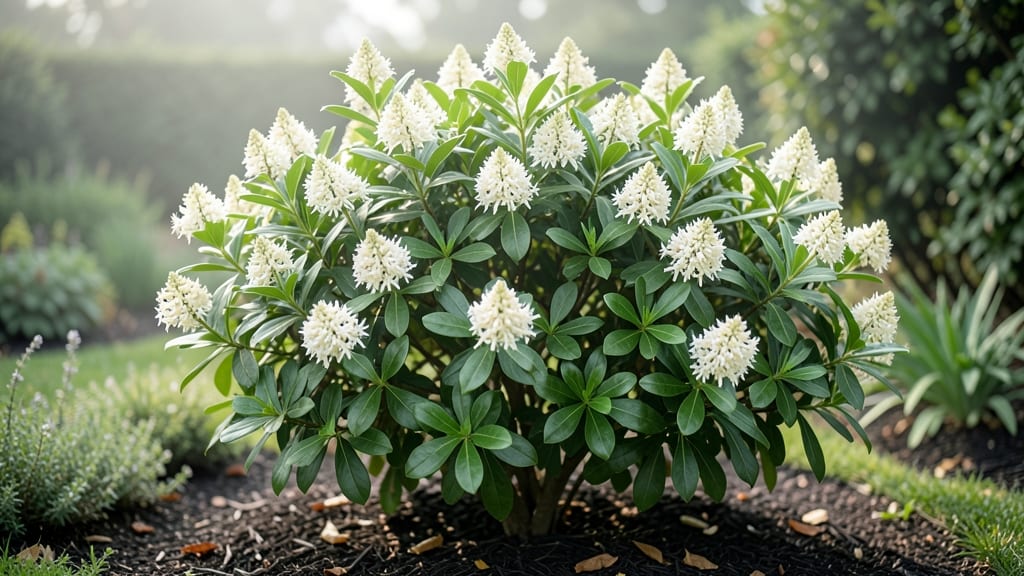
Your privet tree flowers will steal the show next spring with the right care. ✨ I’ve learned that these cold-hardy blooms reward patience—thick clusters of white or pale yellow flowers appear reliably when you meet their simple needs. The secret starts with full sun and well-drained soil.
Privets tolerate poor soil better than most, but they flower best when planted in slightly acidic, loamy soil with 6-8 hours of sunlight daily. Prune after blooming to shape the tree and encourage next year’s flowers.
You’ll notice more blooms each year if you prune lightly in late winter or early spring. Avoid heavy cuts, as privets flower on new growth. A light trim keeps the tree healthy and full of blooms for decades. Perfect for hedges, privacy screens, or standalone specimen plants.
These flowers attract pollinators and add fragrance to your landscape—once you get them established, they’re nearly maintenance-free.
📚 In This Guide
- What you need
- Instructions
- Tips and common mistakes
- Wrapping up and next steps
What you need
- ● Privet tree seeds or cuttings: Seeds: 5–10 (for sowing indoors or direct planting)
- ● Cuttings: 3–5 healthy, 4–6 inch stems (from mature privet trees)
- ○ Optional: Nursery-grown privet saplings (1–2 for faster growth)
- ● Potting mix or garden soil: Well-draining, slightly acidic soil (pH 6.0–7.0)
- ● Peat moss or coconut coir (for seed-starting mixes)
- ● Compost (1 part per 3 parts soil, for nutrients)
- ● Containers (if starting indoors): Seed trays or small pots (4–6 inches deep) with drainage holes
- ● Grow bags (1–2, for transplanting seedlings)
- ● Tools: Pruning shears (sterilized with rubbing alcohol)
- ● Trowel or small shovel (for transplanting)
- ● Garden gloves (to protect from sap)
- ○ Optional: Root hormone powder (to boost cutting success)
- ● Sunlight: Full sun to partial shade (6+ hours of sunlight daily for optimal blooms)
- ● Climate: USDA Hardiness Zones 5–9 (privet thrives in cold-hardy conditions!)
- ● Mild winters (protect young plants if temps drop below 10°F)
- ● Watering setup: Watering can or hose with a gentle spray nozzle
- ○ Drip irrigation system (optional for large gardens)
- ● 🌱 For seeds: Stratify seeds in a damp paper towel in the fridge for 4–6 weeks before sowing to break dormancy.
- ● 🔥 For cuttings: Dip stems in rooting hormone and use a plastic bag to create a humid environment while they root.
- ● ✨ Soil test: Check your soil’s pH with a test kit—privet loves slightly acidic soil!
Step-by-Step guide to cultivating privet tree flowers
Privet trees bring fragrant blooms and easy care to any landscape. Here's how to grow them successfully.
🌱 Step 1: Choose the Right Location and Planting Time
Privet thrives in full sun to partial shade, with at least 6 hours of sunlight daily. I always plant mine in early spring, after the last frost date, when soil temperatures reach 60°F or warmer. This gives roots time to establish before summer heat arrives.
Dig a hole twice as wide as the root ball but only as deep. The top of the root ball should sit 1-2 inches above ground level—this prevents water from pooling around the trunk. Amend the native soil with compost only if your soil is heavy clay or very sandy.
☀️ Step 2: Provide Consistent Water and Mulch
Water newly planted privet trees deeply twice weekly for the first month, keeping soil 2-3 inches moist at all times. You'll know it's right when water drains through the hole but doesn't pool on the surface. After establishment, privet becomes drought-tolerant but still blooms best with 1 inch of water weekly.
Spread 2-3 inches of mulch around the base, keeping it 6 inches away from the trunk. I use shredded bark mulch because it breaks down slowly and improves soil structure over time. Replenish mulch annually to maintain moisture and suppress weeds.
✂️ Step 3: Prune for Shape and Encourage Blooms
Prune privet in late winter or early spring, just before new growth begins. Remove any dead, diseased, or crossing branches first—these compete with healthy growth. Then shape the tree by cutting back 1/3 of the previous year's growth to encourage dense, bushy growth and more flowers.
Never prune in fall, as new growth won't harden off before winter. If you notice leggy branches reaching for sunlight, trim them back to a bud facing outward. This opens the center of the tree for better air circulation and more abundant blooms the following season.
🌿 Step 4: Fertilize for Vibrant Blooms
Apply a balanced, slow-release fertilizer (10-10-10 ratio) in early spring, just as new growth begins. Use ½ pound per 100 square feet of coverage area. Privet doesn't need heavy feeding—too much fertilizer leads to leafy growth at the expense of flowers.
If your tree looks pale or growth stalls, a light application of iron supplement in early summer can help. I've found that privet responds better to less frequent feeding than many other shrubs, so stick to once in spring and again in midsummer if needed.
Tips & tricks for perfect privet tree flowers
Real talk: Privet trees are low-maintenance, but these small tweaks will make all the difference in your blooms.
Soil Temperature Check: Before planting, test your soil temperature with a simple thermometer. The 60°F minimum isn't just a suggestion—it's when roots become active. If your spring arrives late or your soil runs cool, consider using black plastic mulch for a few weeks to warm the ground naturally. This helps young privet establish faster, especially in northern climates.
Watering Wisdom: Those first two weeks are critical for root establishment. I've seen privet trees fail because people watered too lightly—just a sprinkle that barely reaches the root ball. Instead, water until you see moisture 2-3 inches deep. Use a screwdriver to check: if it slides in easily, you're golden. If it pops out dry, water again. This ensures roots grow deep right from the start.
Pruning Pro Tip: When shaping your privet in Step 3, focus on creating an open center rather than just trimming edges. The goal is to let sunlight reach the inner branches—this is where the most flowers develop. I cut back to a bud facing outward and avoid "heading cuts" (cutting back to a leaf), which can lead to bushy but flower-sparse growth. Think of it like sculpting: you're shaping air flow as much as form.
Fertilizer Strategy: That ½ pound per 100 square feet recommendation is perfect, but here's what nobody tells you: split that first application into two smaller doses. Apply half when you plant, then the other half in early spring. This prevents fertilizer burn while still giving roots a steady supply of nutrients. And if you notice new growth slowing in midsummer, a light iron supplement can work wonders without overfeeding.
Pro Tips for Privet Tree Flowers
- Real talk: Privet trees are low-maintenance, but these small tweaks will make all the difference in your blooms.
- Soil Temperature Check: Before planting, test your soil temperature with a simple thermometer.
- Watering Wisdom: Those first two weeks are critical for root establishment.
Frequently asked questions
Got questions about privet tree flowers? You’re not alone! Here are some of the most common queries—plus quick, practical answers to help you grow these cold-hardy beauties with confidence.
When do privet tree flowers bloom, and how long do they last?
Privet flowers typically bloom in late spring to early summer (May–June in most U.S. zones), though timing varies by variety. Clusters of small, fragrant white or pale yellow flowers appear for 2–4 weeks, attracting bees and butterflies. For a longer show, choose Ligustrum vulgare (European privet)—its blooms may linger slightly longer than other types.
Are privet flowers cold-hardy? How do I protect them in winter?
Yes! Most privet varieties thrive in USDA zones 5–9, withstanding temperatures down to -20°F (-29°C). However, young trees or tender blooms may need protection in harsh winters. Mulch the base with 2–3 inches of wood chips or straw, and wrap the trunk in burlap if frost is forecasted. Avoid heavy pruning in late winter—wait until after blooming to shape the tree.
Do privet flowers attract pests? How do I keep them healthy?
While privet flowers are pollinator magnets (great for bees!), they’re rarely plagued by pests. However, aphids or scale insects may appear. Prevent issues by:
- Pruning for airflow (remove dense growth).
- Watering deeply during droughts (1–1.5 inches/week).
- Using neem oil if pests pop up (spray in early morning).
Can I grow privet flowers in containers? What’s the best setup?
Dwarf varieties like Ligustrum sinense ‘Little Miss’ thrive in 15–20 gallon containers. Use a well-draining potting mix (add perlite or sand) and a pot with drainage holes. Place in full sun to partial shade, and fertilize monthly with a balanced 10-10-10 formula during growing season. Pro tip: Move containers indoors (or to a garage) if temps drop below 20°F (-7°C).
What’s a good alternative if I want fragrant flowers but no messy privet seeds?
If privet’s seed pods (which can spread invasively) are a concern, try these low-maintenance, fragrant alternatives:
- Mock Orange (Philadelphus) – Creamy, jasmine-like blooms; deer-resistant.
- Weigela – Vibrant pink/white flowers; thrives in zones 4–8.
- Abelia – Long-blooming, glossy leaves; drought-tolerant.
Wrapping up and next steps
Growing privet tree flowers is a rewarding experience that brings beauty and resilience to your garden year after year! Whether you're drawn to their fragrant blooms or their low-maintenance nature, these cold-hardy plants are perfect for both beginners and seasoned gardeners. 🌸
Ready to transform your outdoor space? Start by choosing the right variety for your climate and soil, then give your privet tree the care it needs—sunlight, water, and a little patience. Watch as those delicate flowers bloom into vibrant shrubs that attract pollinators and add charm to your landscape.
Now, roll up your sleeves—your privet paradise awaits! Grab your gardening tools and get planting! 🌱