
Flowers
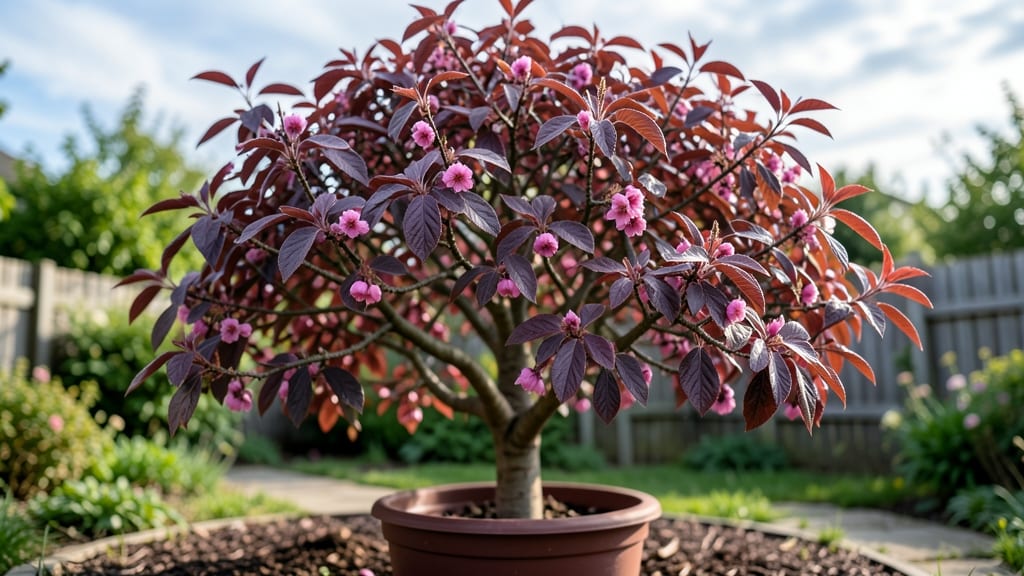
The purple leaf plum tree bursts into fragrant pink-white flowers each spring, turning your yard into a bee magnet. 🌸 I planted mine five years ago, and every March, the blossoms arrive like clockwork—just as the first warm breeze stirs the dormant branches.
The secret to those showstopping blooms starts with the right spot and a little seasonal TLC.
This tree thrives in full sun but handles partial shade, making it perfect for small yards or urban spaces. Well-draining soil is key—amend heavy clay with compost to prevent root rot.
Prune in late winter before buds swell, removing crossing branches and thinning the center to encourage airflow (and those flowers). Water deeply once a week during the first growing season, then let nature take over.
By summer, you’ll have glossy purple foliage that deepens to burgundy, paired with clusters of fragrant blooms that last for weeks. The best part? This tree attracts pollinators while staying compact—ideal for foundation plantings or as a standalone specimen.
Just watch for aphids (they love new growth) and treat with neem oil if needed.
For year-round interest, mulch with shredded bark to protect roots in winter and retain moisture. In fall, a light pruning keeps the shape tidy. My tree now gets compliments from neighbors—and zero pest issues—thanks to this simple routine. Ready to grow one that wows?
📚 In This Guide
- What you need
- Instructions
- Tips and common mistakes
- Wrapping up and next steps
What you need
- ● Purple leaf plum tree (choose between: 1–3-year-old bare-root saplings (best for faster blooms)
- ● Seeds (requires stratification—see tips below!)
- ● Established tree for transplanting (ensure it’s dormant in late winter)
- ● Well-draining soil mix: 60% native soil
- ● 30% compost
- ● 10% perlite or sand (for aeration)
- ● Fertilizer: Balanced 10-10-10 granular fertilizer (spring/fall)
- ● Slow-release osmocote (for potted trees)
- ● Mulch: 2–3 inches of wood chips or straw (keeps roots cool)
- ● Hand trowel or spading fork (for digging)
- ● Pruning shears (sterilized with rubbing alcohol)
- ● Garden hose with spray nozzle (for gentle watering)
- ○ Soaker hose (optional, for deep root hydration)
- ● pH test kit (ideal soil pH: 6.0–7.0)
- ● Tree stake & ties (if planting young saplings in windy areas)
- ● 🌡️ Climate check: Purple leaf plums thrive in USDA Zones 5–9 (full sun, 6+ hours/day).
- ● ✨ Seed stratification: If starting from seeds, refrigerate in a damp paper towel for 6–8 weeks before planting.
- ● 🚫 Avoid overwatering: These trees hate soggy roots—water deeply 1–2x/week (more in summer).
- ● 🐝 Bee-friendly location: Plant near pollinator gardens to maximize flower visits!
How to encourage vibrant purple leaf plum tree flowers
Here’s how I bring out those showstopping spring blooms—fragrant, bee-loved, and packed with color.
🌱 Step 1: Prune for Light and Airflow in Late Winter
Start by removing dead, diseased, or crossing branches with clean, sharp pruners. I cut just outside the bud where the branch meets the trunk—this prevents water from pooling and keeps the wound small. Focus on thinning out the center of the tree first; dense growth blocks sunlight and air, which stunts flowering.
Next, shorten any overly long branches by about one-third to encourage bushier growth. Look for branches growing inward or downward—they’ll never get enough light to bloom well. Aim to open up the canopy so sunlight reaches the inner branches. You’ll see new buds forming along the remaining branches within 4-6 weeks of pruning.
☀️ Step 2: Provide Full Sun and Shelter from Harsh Winds
Purple leaf plums need at least 6 hours of direct sun daily for strong blooms. If your tree is in partial shade, move it or prune nearby trees to open up the canopy. I’ve found that morning sun combined with afternoon shade works best in hot climates—it prevents leaf scorch while still fueling flower production.
Wind can strip delicate petals before they fully open, so plant your tree where it’s protected from strong gusts. A fence or wall to the north or west helps break the wind without blocking sunlight. Watch for signs of stress like curled leaves or brown edges—these mean it’s getting too much wind or too little water.
💧 Step 3: Water Deeply and Consistently During Bud Formation
Start increasing watering 6 weeks before bloom time (usually late winter). Soak the root zone to 12-18 inches deep every 7-10 days, depending on your soil. I use a garden hose with a slow setting to avoid runoff—purple leaf plums hate soggy roots but need steady moisture to set buds. Check soil moisture by sticking your finger 2 inches down; if it’s dry, water again.
Mulch the base with 2-3 inches of organic mulch (like shredded bark) to retain moisture and regulate soil temperature. Keep the mulch 6 inches away from the trunk to prevent rot. You’ll notice buds swell and turn pinkish—this is your cue that the tree is happy and ready to bloom.
✂️ Step 4: Fertilize for Blooms in Early Spring
Apply a balanced, slow-release fertilizer (like 10-10-10) in early spring, just as buds begin to swell. Follow package instructions for amounts—over-fertilizing can lead to leafy growth at the expense of flowers. I scatter the granules evenly under the dripline (the edge of the tree’s canopy) and water deeply to activate them.
For extra fragrance and color, add a handful of bone meal (high in phosphorus) to the soil. This boosts root development and flower production. Avoid high-nitrogen fertilizers—they encourage lush foliage but fewer blooms. You’ll see a surge in new growth and more abundant flower clusters within 3-4 weeks of fertilizing.
🐝 Step 5: Protect Blooms from Pests and Early Frost
Cover the tree with frost cloth if temperatures drop below 28°F during bloom time. Frost can damage petals and buds before they open. I also spray the branches lightly with water in the evening before a cold snap—this releases heat as it freezes, providing a tiny bit of protection.
Watch for Japanese beetles or aphids, which love plum blossoms. A quick spray of neem oil or insecticidal soap early in the season keeps pests away without harming bees. If you see chewed petals or sticky residue on leaves, act fast—pests can defoliate the tree before it even finishes blooming.
Tips & tricks for vibrant purple leaf plum blossoms
These simple strategies will help you coax out the most stunning, fragrant flowers from your purple leaf plum tree.
Pruning Precision: When you're thinning out the center in Step 1, look for branches that are growing at sharp angles—these often indicate weak growth that won't support many flowers. I make my cuts just outside the bud at a slight slant to prevent water from collecting there. This small detail makes a big difference in how quickly new buds form along those remaining branches. Remember, you want to create an open vase-like shape that lets sunlight reach all the way to the center.
Sunlight Strategy: For the 6 hours of direct sun required in Step 2, I recommend positioning your tree to get morning sun on the east side and afternoon shade on the west side if you're in a hot climate. This prevents leaf scorch while still giving the tree enough energy to produce abundant blooms. Watch your tree's leaves—they'll tell you if you've got the balance right. Healthy leaves should be deep purple with no brown edges or curled tips.
Watering Wisdom: The 6 weeks before bloom time is critical for watering in Step 3. I set a reminder to check soil moisture every 7-10 days by sticking my finger 2 inches down. If it feels dry at that depth, it's time to water. For established trees, I use a soaker hose set to a slow trickle for about 20 minutes to ensure water penetrates to that 12-18 inch depth without runoff. This consistent moisture is what triggers those buds to swell and turn pink.
Fertilizer Timing: When applying your balanced fertilizer in Step 4, I've found that timing is everything. Apply it just as those buds begin to swell—not before, not after. This ensures the tree uses the nutrients for flower production rather than just leaf growth. The bone meal addition is optional but worth it for that extra fragrance boost. Just mix it into the soil around the dripline and water it in well. You'll notice the difference in just 3-4 weeks!
Pro Tips for Purple Leaf Plum Tree Flowers
- These simple strategies will help you coax out the most stunning, fragrant flowers from your purple leaf plum tree.
- Pruning Precision: When you're thinning out the center in Step 1, look for branches that are growing at sharp angles—...
- Sunlight Strategy: For the 6 hours of direct sun required in Step 2, I recommend positioning your tree to get morning...
Frequently asked questions
Got questions about those stunning purple leaf plum tree flowers? You’re not alone! Here are some of the most common queries—plus quick, practical answers to help you make the most of your fragrant blooms.
When do purple leaf plum tree flowers bloom?
Purple leaf plum trees typically burst into color in early to mid-spring, often between March and April, depending on your climate. Warmer regions may see blooms as early as February, while colder areas might delay until May. Pruning in late winter can encourage earlier (and more abundant) flowering!
Are these flowers good for bees and pollinators?
Purple leaf plum flowers are a magnet for bees, butterflies, and hummingbirds—their fragrant, nectar-rich blooms provide an early food source when other flowers are sparse. For extra pollinator appeal, plant them near native perennials like lavender or coneflowers to extend the buffet season.
How do I care for the tree after the flowers fade?
Once the flowers drop, focus on watering deeply (1–2 inches per week) and fertilizing lightly with a balanced 10-10-10 mix in early spring. Avoid heavy pruning right after blooming—wait until late winter to shape the tree and remove dead wood. Mulch around the base to retain moisture and protect roots.
Do purple leaf plum trees produce edible fruit?
While they’re prized for their ornamental flowers, the small, tart fruits that follow are not recommended for eating (they’re bitter and astringent). However, they’re loved by birds! If you’re craving plum fruit, consider planting a separate Japanese plum (Prunus salicina) variety like Santa Rosa or Methley for sweet, juicy harvests.
Why aren’t my purple leaf plum flowers as vibrant as they should be?
Dull or sparse blooms often signal stress. Check for:
- Overcrowding: Thin nearby plants for better airflow.
- Nutrient deficiency: Test soil pH (ideal: 6.0–7.0) and amend with compost.
- Underwatering: Deep watering once a week (more in droughts) keeps roots happy.
- Sunlight: Ensure 6+ hours of full sun daily—shady spots weaken flowering.
Wrapping up and next steps
Ready to welcome a burst of vibrant purple leaf plum tree flowers into your garden? 🌸 These fragrant blooms don’t just dazzle—they attract pollinators, add year-round color, and bring joy with minimal fuss.
Whether you’re a seasoned gardener or a beginner, now’s the perfect time to plant, prune, or simply admire their beauty.
Take the next step: sketch a spot in your yard for this showstopper, gather your supplies, and dive in! With a little care, you’ll soon be rewarded with a scented, bee-friendly paradise that turns heads—and fills the air with spring’s sweetest perfume.