
Pruning
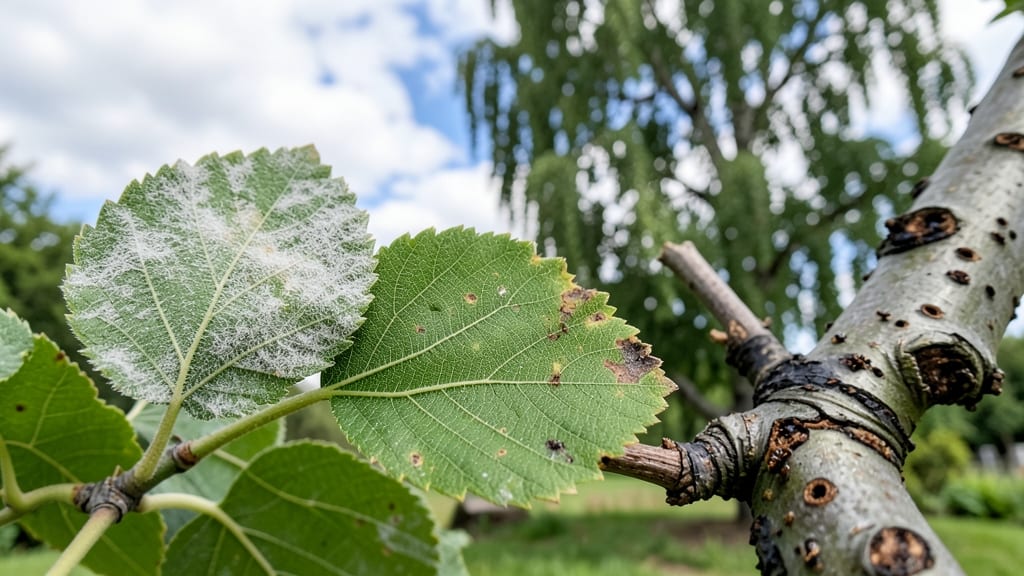
Siberian elm tree problems don’t have to mean a death sentence. ✨ I’ve nursed back more than a few of these tough but temperamental trees, and the fixes are simpler than you’d think—often just pruning, pest control, or a soil check. The real culprits? Elm leaf beetles, fungal infections, or poor drainage. I’ll show you how to spot the difference between beetle damage (skeletonized leaves) and Dutch elm disease (wilted branches), and what to do about each. Most fixes take less than an hour and cost under $20. By the end, you’ll know exactly which leaves to trim, when to treat for pests, and how to keep your tree thriving for years. No more guessing—just actionable steps that actually work. This works for backyard trees, urban plantings, and even large landscapes. Let’s get your Siberian elm back to healthy green.
Root Causes Behind Yellowing Leaves
Yellowing leaves on your Siberian elm (Ulmus pumila) can be a red flag, but understanding the why behind these symptoms is half the battle. Siberian elms are hardy trees, but they’re not immune to stress—whether from environmental factors, pests, or poor care.
Below, we break down the most common culprits and the science behind them.
Siberian elms thrive in well-drained soil with a pH between 6.0 and 7.5, but when conditions stray from this ideal, nutrient uptake suffers. Yellowing leaves often signal nutrient deficiencies or waterlogging, both of which disrupt chlorophyll production.
- Compacted or Clay Soil: Heavy, poorly aerated soil restricts root growth, limiting access to oxygen and water.
Roots suffocate, leading to chlorosis (yellowing) as the tree struggles to transport nutrients. - Actionable fix: Test soil drainage—dig a hole, fill it with water, and time how long it takes to drain.
If it pools for >6 hours, amend with compost or sand. - Nutrient Imbalance: Siberian elms need nitrogen, iron, and magnesium for healthy foliage.
Yellowing between veins (interveinal chlorosis) often points to iron deficiency, while uniform yellowing may indicate nitrogen starvation. - Pro tip 💡: Apply a chelated iron supplement for quick relief, or use slow-release fertilizer (10-10-10) in early spring.
Siberian elms are drought-tolerant but hate soggy roots. Both extremes—overwatering and underwatering—trigger stress responses, including yellowing leaves.
- Overwatering: - Problem: Excess moisture leads to root rot (caused by fungi like Phytophthora), cutting off oxygen supply.
Roots decay, and the tree can’t absorb nutrients, causing yellowing and wilting. - Signs: Leaves turn yellow and feel mushy; soil smells sour. - Fix: Improve drainage immediately—raise the tree’s root zone with gravel or plant in a mound.
Avoid watering until the top 2 inches of soil are dry. - Underwatering: - Problem: Inconsistent watering causes physiological drought, where leaves lose turgor pressure and turn yellow/brown at the edges (scorch). - Fix: Water deeply 1–2 times per week (1–2 inches per session) during dry spells.
Mulch with 2–3 inches of organic material to retain moisture.
Siberian elms are susceptible to pests and pathogens that feed on leaves, disrupting photosynthesis and causing yellowing.
- Elm Leaf Beetles & Japanese Beetles: - Problem: These insects skeletonize leaves (eat tissue between veins), leaving a lacy yellow mess.
Heavy infestations weaken the tree, leading to premature leaf drop. - Fix: Handpick adults (🔥 early morning) or use neem oil (1 tsp/gallon of water) for larvae.
Apply Bt (Bacillus thuringiensis) for organic control. - Fungal Infections (Anthracnose, Powdery Mildew): - Problem: Fungi thrive in humid, shady conditions, causing yellow spots with black centers (anthracnose) or white powdery coatings (mildew).
Both block sunlight, stunting chlorophyll. - Fix: Prune for airflow; apply copper fungicide (for anthracnose) or baking soda spray (1 tbsp baking soda + 1 quart water + a drop of soap) for mildew.
Siberian elms are cold-hardy (USDA Zones 2–9), but extreme conditions can shock them into dropping or yellowing leaves.
- Heat Stress: - Problem: Temperatures above 90°F (32°C) cause leaf scorch—edges turn brown/yellow as cells dehydrate.
Young trees are most vulnerable. - Fix: Provide afternoon shade (e.g., temporary shade cloth) and water deeply at dawn to reduce evaporation. - Winter Desiccation: - Problem: Dry winter winds dry out leaves before they fall, leaving yellow/brown patches.
This is common in Zone 4–5 winters. - Fix: Apply anti-desiccant spray (like Wilt-Pruf) in late fall to create a protective film.
Mulch heavily (4–6 inches) to insulate roots. - Salt or Chemical Burn: - Problem: Road salt, herbicides, or fertilizers can accumulate in soil, poisoning roots.
Symptoms include yellowing near the base or stunted growth. - Fix: Flush soil with water (6–8 inches of rainfall or manual watering) and apply gypsum (for salt) or chelating agents (for heavy metals).
Even healthy trees age, and Siberian elms may show senescent yellowing—a natural process where older leaves lose chlorophyll.
- Signs: Yellowing starts at the top or bottom of the tree, with no other symptoms (e.g., pests, wilting). - Fix: Prune to remove 30% of oldest branches in late winter to encourage new growth.
If >50% of leaves yellow, the tree may be past its prime—consider replacement.
Key Takeaway: Yellowing leaves are your tree’s way of screaming for help—whether it’s thirst, hunger, pests, or environmental abuse. Start with a soil test and visual inspection (check undersides of leaves for pests). Act fast, and your Siberian elm can bounce back!
Quick Fixes for Siberian Elm Tree Struggles
Reviving your Siberian elm doesn’t have to be a guessing game. Whether it’s yellowing leaves, pests, or weak growth, targeted solutions can get your tree back on track. Below, we map common issues to practical fixes—plus prevention tips to keep your tree thriving long-term.
Cause: Poor soil, overwatering, or nutrient imbalance (often iron or nitrogen deficiency). Solution:
- Test Your Soil 🧪
- Grab a soil test kit (or send a sample to a local extension office) to check pH and nutrient levels. Siberian elms prefer slightly acidic to neutral soil (6.0–7.5 pH).
- Quick fix: If pH is off, amend the soil with sulfur (to lower pH) or lime (to raise pH).
- Fertilize Smartly 🌱 - For nitrogen deficiency (pale yellow leaves): Use a balanced fertilizer (10-10-10) or a slow-release organic option like composted manure. - For iron deficiency (yellow between veins): Apply chelated iron or spread iron sulfate granules in the root zone. - Pro tip: 💡 Avoid over-fertilizing—it can burn roots.
Follow package instructions and fertilize in early spring before new growth starts.
- Adjust Watering Habits 💧 - Overwatering? Let the top 2–3 inches of soil dry out between waterings.
Improve drainage by adding organic mulch (3–4 inches) around the base (but keep mulch 6 inches away from the trunk). - Underwatering? Water deeply 1–2 times per week (more in extreme heat) and monitor for wilting leaves.
Cause: Chewing insects, sap-sucking pests, or wood-boring larvae weaken the tree. Solution:
- Spot and Squash Soft-Bodied Pests 🔥
- Elm leaf beetles or spider mites? Blast them off with a strong spray of water (early morning works best). For severe infestations, use neem oil or insecticidal soap (follow label rates).
- Prevention: 🌡️ Install yellow sticky traps in spring to catch adults before they lay eggs.
- Treat Wood-Boring Pests (Like Elm Bark Beetles) 🪓 - Signs: Sawdust-like frass at the base or holes in bark. - Fix: Prune and burn or dispose of heavily infested branches (do not compost!).
For active borers, inject systemic insecticide (like imidacloprid) into the trunk or apply borax-based treatments to the bark.
- Encourage Natural Predators ✨
- Ladybugs and lacewings eat mites and beetle larvae. Plant dill, fennel, or marigolds nearby to attract them.
Cause: Over-pruning, root damage, or disease (like Dutch elm disease). Solution:
- Prune Like a Pro 👨🍳
- When: Prune in late winter or early spring (before buds swell) to avoid stressing the tree.
- How:
- Remove dead, diseased, or crossing branches first (cut at the branch collar).
- Thin the canopy to improve airflow (aim for an open, vase-like shape).
- Avoid: Topping the tree—it encourages weak regrowth and pest entry.
- Pro tip: ✨ Sterilize pruners with rubbing alcohol between cuts to prevent disease spread.
- Check for Root Problems 🌱 - Girdling roots? Carefully loosen compacted soil around the base with a shovel or aerator.
If roots are circling the trunk, prune them back (but don’t overdo it—healthy roots are key!). - Dutch elm disease? Sadly, there’s no cure—remove and destroy the tree to prevent spread. Call a certified arborist for confirmation.
- Boost Tree Health 💪
- Mulch properly: Use wood chips or shredded bark (not fresh wood or rocks) and keep it 3–4 inches deep.
- Water deeply during droughts (elms have deep roots—soak the soil 12–18 inches down).
- Avoid soil compaction around the base—walk on paths, not the root zone.
- Monitor regularly: Check leaves, bark, and soil monthly in growing season. - Disease-resistant varieties: If replanting, consider ‘Christoma’ or ‘Gro-Lo’ Siberian elms (they’re tougher against pests/disease). - Avoid stress: Don’t plant near sidewalks or driveways (roots need space).
Keep the area well-drained and shaded (young elms dislike harsh sun). - Call for help: If issues persist, consult a local arborist—some problems (like fungal infections) need professional treatment.
Your Siberian elm can bounce back with the right care! Start with the fixes above, and your tree will reward you with lush green foliage and strong growth in no time. 🌳💚
Frequently asked questions
Why are my Siberian elm leaves turning yellow in patches?
Patchy yellowing often signals nutrient deficiency (like iron or nitrogen) or fungal infections such as anthracnose. Check for yellowing between veins (iron deficiency) or black spots with yellow halos (anthracnose). Apply chelated iron for deficiencies or use copper fungicide for fungal issues.
How can I tell if my Siberian elm has Dutch elm disease?
Look for sudden wilting in branches (even with green leaves), yellowing between veins, and bark splits with dark stains. Dutch elm disease spreads via bark beetles—if you see these signs, remove the tree immediately to prevent spread. Confirm with a certified arborist.
What’s the best way to control elm leaf beetles on my tree?
Start with yellow sticky traps to catch adults in spring. For heavy infestations, spray with neem oil (1 tsp/gallon) or insecticidal soap. Handpick adults early in the morning when they’re sluggish. Avoid broad-spectrum pesticides—they kill beneficial insects too.
Can I prune my Siberian elm in summer?
Prune in late winter or early spring (before buds swell) to avoid stressing the tree. Summer pruning can invite pests and diseases. If you must prune in summer, remove only dead/diseased branches and sterilize tools between cuts with rubbing alcohol.
How often should I fertilize my Siberian elm?
Fertilize once in early spring with a balanced 10-10-10 formula. Avoid over-fertilizing—it burns roots. For iron deficiencies, apply chelated iron in late spring. Test soil first to avoid unnecessary applications.