
Pruning
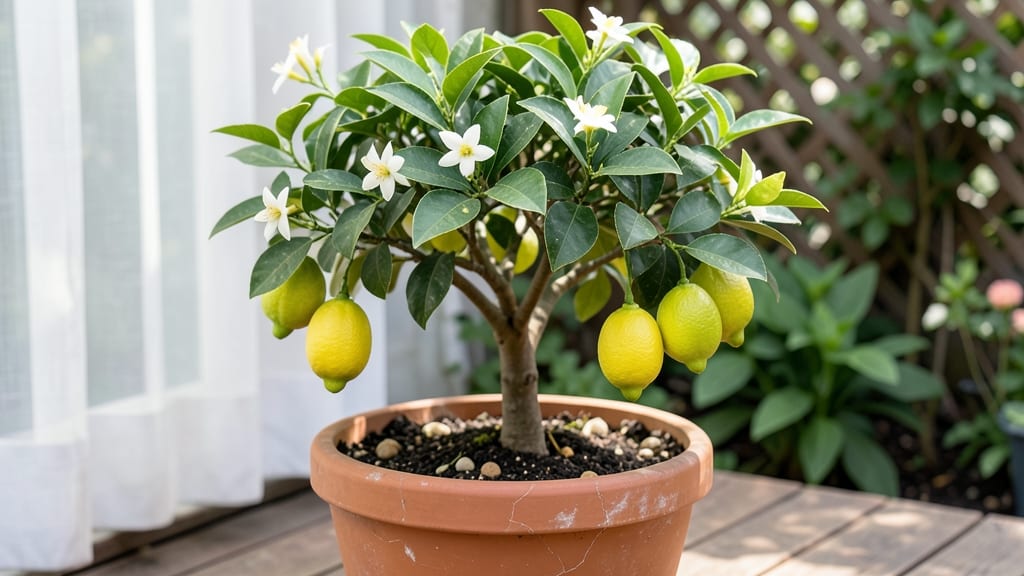
A small lemon tree in a pot can yield fruit year-round with the right care—no backyard needed. 🌱 I've grown mine for five years, and the secret isn't just sunlight or water, but precision pruning that keeps the tree compact, productive, and healthy.
The first time I saw lemons ripen indoors, I knew this was the game-changer for small-space gardeners.
You'll need a 15- to 20-gallon container (dwarf varieties stay manageable), well-draining soil mixed with perlite, and a sunny spot getting 6-8 hours of light daily. Water when the top inch of soil feels dry, and fertilize monthly during growing seasons with citrus-specific nutrients.
The pruning part? It's simpler than it looks—just focus on removing dead branches and thinning crowded growth to encourage airflow and fruit production.
By summer, you'll be harvesting lemons that taste fresher than anything from the store, and the tree stays small enough for a patio or sunny windowsill. The key is consistency—prune after harvest to shape the tree, and protect it from drafts in winter.
Even if you've killed plants before, this one's forgiving with the right approach.
Perfect for urban balconies, kitchens, or greenhouses. The same principles work for limes and oranges too—once you master the potted lemon, the citrus world is yours. Let's get those branches trimmed and those lemons growing!
📚 In This Guide
- What you need
- Instructions
- Tips and common mistakes
- Wrapping up and next steps
What you need
- ● Pot: A drainage-heavy container (12–18 inches in diameter for dwarf varieties, 20+ inches for standard-sized trees). Opt for terracotta or ceramic with drainage holes—no plastic-only pots!
- ● Well-draining potting mix: A blend of 50% citrus-specific soil, 30% perlite or pumice, and 20% compost (avoid garden soil—it compacts and suffocates roots!).
- ● Lemon tree: A dwarf Meyer lemon (best for pots) or a young sapling (4–6 feet tall). Check local nurseries for rootstock-grafted varieties for disease resistance.
- ● Pruning tools: Bypass pruners (sharp, clean—sterilize with rubbing alcohol between cuts!)
- ● Hand pruners (for smaller branches)
- ○ Loppers (optional, for thicker branches)
- ● Support: A small stake or bamboo pole (if your tree is top-heavy) and soft garden twine for securing.
- ● Slow-release fertilizer: A citrus-specific 8-3-6 or 10-10-10 NPK blend (apply every 2–3 months).
- ● Mulch: Pine bark or straw (1–2 inches) to retain moisture and regulate temperature.
- ● Spray bottle (for misting leaves in dry climates).
- ● Grow lights: A full-spectrum LED bulb (if indoors, 12–16 hours of light daily).
- ● Root stimulator: Mycorrhizal fungi or seaweed extract (boosts root health during repotting).
Step-by-step instructions for growing a small lemon tree in a pot
Here's the method I've perfected for keeping a dwarf lemon tree thriving year-round—with fruit—using precise pruning and care.
🌱 Step 1: Select and Prepare Your Dwarf Lemon Tree and Container
Start with a 4-6 foot tall dwarf Meyer lemon tree (Citrus × meyeri), the most cold-hardy and fruit-bearing variety for containers. Choose a 15-20 gallon pot with drainage holes—terracotta works best for breathability. Fill the bottom third with gritty drainage mix (I use perlite and coarse sand) to prevent root rot. This is critical because lemon trees hate soggy roots.
Next, add a high-quality citrus potting mix that’s airy and slightly acidic (pH 6.0-6.5). Avoid garden soil—it compacts and suffocates roots. Mix in a slow-release citrus fertilizer (like Osmocote) following package directions. The goal is loose, well-draining soil that mimics the tree’s Mediterranean native conditions. Tap the pot gently to settle the mix without compacting it.
☀️ Step 2: Position for Maximum Sun and Temperature Control
Lemon trees need full sun (6-8 hours daily) for fruit production, but they also require protection from extreme heat or cold. Place your pot in a south-facing window or under grow lights if indoors. If outdoors, move it to a sheltered patio or balcony where temperatures stay between 60-85°F. Below 50°F, the tree goes dormant, and fruit won’t develop properly.
During summer, watch for wilting or leaf drop—signs of heat stress. I mist the leaves lightly in the morning to increase humidity without sogging the soil. In winter, keep the pot away from drafts or heating vents, which dry out the air. A heated mat set to 65°F under the pot can help maintain root warmth during cooler months.
💧 Step 3: Water and Fertilize with Precision
Water your lemon tree deeply once a week, allowing the top 2-3 inches of soil to dry out between waterings. Overwatering is the #1 killer of potted citrus—check by sticking your finger into the soil. If it’s damp below the surface, wait another day. In summer, you may need to water every 4-5 days, but always let excess water drain completely from the pot.
Feed your tree every 4-6 weeks with a balanced citrus fertilizer (10-10-10 or similar). I dilute it to half-strength to avoid burning roots. In late summer, switch to a low-nitrogen, high-phosphorus fertilizer (like 5-10-10) to encourage flowering and fruit set. Stop fertilizing in late fall and winter when the tree is dormant. Yellowing leaves often mean over-fertilizing—flush the soil with water if this happens.
✂️ Step 4: Prune for Shape and Fruit Production
Prune your lemon tree twice a year: late winter (before new growth) and right after harvest. Use sterilized pruning shears to cut back overly long branches by one-third, focusing on the outer growth to encourage a bushier shape. Remove any dead, crossing, or inward-growing branches to improve airflow and reduce disease risk. This is where precision matters—avoid cutting into the main trunk or large limbs, as lemon trees heal slowly.
After pruning, apply a wound sealant (like tree paint) to larger cuts to prevent infection. The tree will respond by producing new growth from the sides, which is where most flowers and fruit form. I also pinch off the first few flowers that appear—this might seem counterintuitive, but it redirects the tree’s energy into stronger branches for long-term fruit production. You’ll see buds form along the new growth in 4-6 weeks.
🍋 Step 5: Harvest and Overwinter for Next Year’s Fruit
Lemon fruits ripen asynchronously, meaning they’ll drop at different times. Harvest when they’re fully yellow and slightly soft to the touch—this usually happens 6-9 months after flowering. Twist gently to remove them from the tree; they should come off easily without tearing. Store unripe lemons at room temperature to ripen, while ripe ones keep for weeks in the fridge. I label each fruit with the harvest date to track ripening patterns.
In late fall, reduce watering slightly and stop fertilizing. Move the pot to a cool but bright location (like a garage with natural light) if temperatures drop below 50°F. Resume normal care in early spring when new growth appears. This annual cycle keeps your tree healthy and productive for years. With patience, your dwarf lemon tree will reward you with dozens of sweet, fragrant lemons each year—even in a pot!
Tips & tricks for thriving potted lemon trees
Between us, these small details make all the difference when growing your dwarf lemon tree in containers.
Container Selection: Terracotta pots are ideal because they allow moisture to evaporate more quickly, preventing those dreaded soggy roots. If you choose plastic, make sure it's at least 20 gallons and has multiple drainage holes—citrus roots need oxygen as much as they need water. I've seen people use decorative pots without drainage, and within weeks, the roots start rotting. If you love the look of a cache pot, place your functional terracotta pot inside it with a saucer underneath to catch drainage.
Soil Science: The pH 6.0-6.5 range isn't just a suggestion—it's crucial for nutrient availability. Test your citrus mix with a simple soil pH meter before planting. If it's too alkaline, add sulfur to lower the pH gradually. I also recommend mixing in a handful of worm castings when repotting—it gives the tree a gentle nutrient boost without the risk of burning roots that comes with chemical fertilizers. The texture should be fluffy, like a well-aerated cake batter, not dense like garden soil.
Light Management: Those 6-8 hours of sunlight are non-negotiable, but quality matters more than quantity. If your tree isn't getting enough light, you'll notice leaves stretching toward the window—a condition called etiolation. In winter, supplement with a full-spectrum LED grow light placed 12-18 inches above the tree for 4-6 hours daily. I use a timer to automate this so I don't forget, especially during cloudy days when natural light is weaker. Remember, citrus trees need bright light to produce those sweet, fragrant lemons we all crave.
Pruning Precision: When you're cutting back those overly long branches by one-third in Step 4, make your cuts just above a leaf node where new growth will emerge. Avoid leaving stubs—they can attract pests and disease. I always sterilize my pruning shears with rubbing alcohol between cuts to prevent spreading any potential infections. After pruning, give your tree a good drink of water to help it recover. The 4-6 week wait for new buds might feel long, but patience here pays off with stronger branches that will bear fruit for years.
Pro Tips for Small Lemon Tree In Pot
- Between us, these small details make all the difference when growing your dwarf lemon tree in containers.
- Container Selection: Terracotta pots are ideal because they allow moisture to evaporate more quickly, preventing those dreaded soggy roots.
- Soil Science: The pH 6.0-6.5 range isn't just a suggestion—it's crucial for nutrient availability.
Frequently asked questions
Got questions about keeping a small lemon tree in a pot thriving? You’re not alone! Here are answers to the most common queries—from pruning to pests and everything in between.
How often should I prune my potted lemon tree?
Prune your lemon tree 2-3 times a year: once in late winter (before new growth), again after fruiting, and lightly after heavy harvests. Focus on removing dead, crossing, or overcrowded branches. Pro tip: Use sterilized tools and avoid heavy pruning in fall—it stresses the tree!
Can a potted lemon tree survive winter indoors?
Yes! Move your tree indoors before temps drop below 40°F (4°C). Place it near a sunny window (south-facing is ideal) and maintain 60-70°F (15-21°C) humidity. Reduce watering slightly, but avoid letting soil dry out completely. A grow light can help if natural light is limited.
What are the most common pests for potted lemon trees?
Watch for scale insects, spider mites, and aphids. Check leaves regularly for sticky residue (honeydew) or tiny webs. Treat early with neem oil or insecticidal soap. For severe infestations, isolate the plant and consult a local nursery for targeted solutions.
Why isn’t my potted lemon tree producing fruit?
Lemon trees need 3-4 years to bear fruit, but lack of blooms often stems from light, water, or nutrients. Ensure it gets 6+ hours of sunlight daily, use a citrus-specific fertilizer (high in nitrogen early, phosphorus for blooms), and maintain consistent moisture. Bonus: Hand-pollinate flowers with a soft brush if bees are scarce!
What’s the best pot size for a dwarf lemon tree?
Start with a 12-15 inch pot for young trees, then upgrade by 2-3 inches in diameter every 2-3 years. Ensure pots have drainage holes to prevent root rot. Terracotta pots help regulate moisture, while fabric grow bags improve airflow for roots.
Wrapping up and next steps
Growing a small lemon tree in a pot is a rewarding journey that combines patience, care, and a little creativity! With the right pruning techniques, you’ll enjoy year-round fruit while keeping your tree compact and healthy.
Whether you’re a seasoned gardener or just starting, every snip brings you closer to a bountiful harvest—so grab those shears and get pruning!
Ready to take the next step? Start small—pick one branch to practice your cuts, then expand as you gain confidence. Before you know it, you’ll be the proud owner of a thriving potted lemon tree! 🍋✨