
Blooming
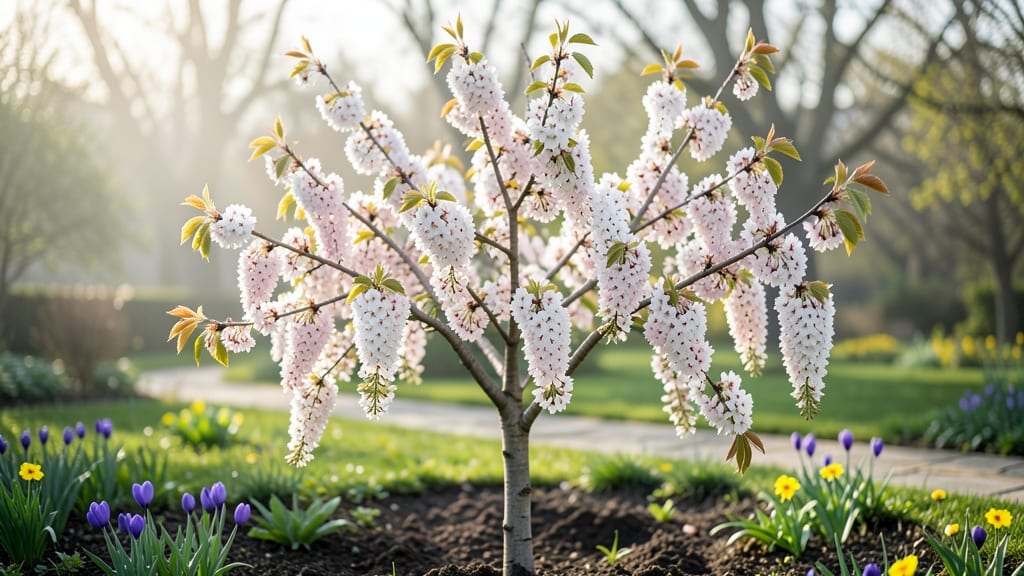
Your sour cherry tree blossoms will transform your yard into a springtime masterpiece—if you time everything right. 🌸 I’ve watched these delicate pink clouds erupt from bare branches, and the secret isn’t just luck; it’s knowing when to prune, how to feed, and which varieties thrive in your zone.
The cold-hardy sour cherry (Prunus cerasus) blooms earlier than sweet cherries, often by 2-3 weeks, making it a showstopper even in chilly climates. But those blossoms need protection—late frosts can wipe them out overnight. My trick?
Plant near a south-facing wall or use frost cloths when forecasts dip below 28°F. By late spring, you’ll be rewarded with hundreds of blossoms followed by tart, jewel-like cherries perfect for preserves.
The key is pruning in dormant season (late winter) to open the canopy for sunlight, which triggers more flowers. And don’t forget pollination—plant two compatible varieties for fruit set.
This tree gives you four seasons of interest: snowy branches in winter, blushing blooms in spring, summer shade, and fiery fall foliage. Let’s make sure yours doesn’t miss a beat.
📚 In This Guide
- What you need
- Instructions
- Tips and common mistakes
- Wrapping up and next steps
What you need
- ● Sour cherry tree sapling: Cold-hardy variety (e.g., Prunus cerasus ‘Montmorency’ or ‘Meteor’)
- ● 1–2 years old (bare-root or container-grown)
- ● Certified disease-free (check tags for fire blight or silver leaf resistance)
- ● Planting site: Full sun (6+ hours/day)
- ● Well-draining soil (pH 6.0–6.5)
- ● Space: 15–20 ft apart (or 25+ ft for full-size trees)
- ○ Soil amendments (optional but helpful): Compost (5–10 lbs per planting hole)
- ● Organic matter (e.g., peat moss or aged manure)
- ● Digging tools: Shovel (round-point for planting holes)
- ● Garden trowel (for root adjustments)
- ● Measuring & prep: Measuring tape (to mark spacing)
- ● Garden hose (for watering)
- ● Pruning shears (sterilized, for trimming)
- ○ Support (optional for young trees): Stake (4–6 ft tall) + tree ties
- ● Check local frost dates (plant after last frost in spring or dormant season in fall).
- ● Verify hardiness zone (USDA Zones 3–7 for cold-hardy varieties).
- ● Test soil drainage (avoid waterlogged areas!).
- ● Pro tip: 💡 If planting in urban areas, research local regulations—some cities restrict fruit trees!
Step-by-step guide to cultivating a thriving sour cherry tree blossom
Here's how to nurture a cold-hardy sour cherry tree for stunning blooms and lasting beauty.
🪴 Step 1: Select and Prepare the Planting Site
Choose a location with full sun exposure (6-8 hours daily) and well-draining soil. Sour cherry trees thrive in areas with rich, slightly acidic soil (pH 6.0-6.5). If your soil is heavy clay, amend it with 2-3 inches of compost mixed into the top 12 inches of soil. Dig a hole twice as wide as the root ball but only as deep—planting too deep suffocates roots.
Test drainage by digging a 12-inch deep hole and filling it with water. If it drains in less than an hour, your site is suitable. If water pools, raise the planting area with a mound of amended soil. Avoid low spots where water collects after rain. Here's the thing—sour cherries hate soggy feet, so prioritize drainage over everything else.
🌱 Step 2: Plant with Proper Spacing and Support
Position your sour cherry tree at least 20-25 feet from buildings or other trees to prevent root competition and allow full sunlight access. The root ball should sit 2-3 inches above ground level—this prevents water from pooling around the trunk. Spread the roots gently outward if they're circling, then backfill with native soil mixed with 5 gallons of compost.
Firm the soil around the base with your hands or a shovel to eliminate air pockets, then create a 3-inch high berm around the perimeter to direct water toward the roots. Install a 4-inch diameter tree stake at a 45-degree angle on the side opposite prevailing winds, securing the trunk with a soft tie. Don't skip staking—you'll see fewer broken branches during spring storms.
☀️ Step 3: Establish Proper Watering and Mulching
Water immediately after planting to settle the soil, then provide 1-2 gallons of water weekly during the first growing season. New trees need consistent moisture—check soil 2 inches deep; if it's dry, water deeply. Avoid overhead watering during bloom to prevent fungal diseases like powdery mildew. Instead, use a soaker hose at the base.
Apply a 3-inch layer of organic mulch (wood chips or shredded bark) around the base, keeping it 6 inches away from the trunk. Mulch conserves moisture and regulates soil temperature. Replenish mulch annually as it breaks down. Here's what I've found: proper mulching cuts water needs by 30% while protecting roots from extreme temperatures.
✂️ Step 4: Prune for Structure and Bloom Optimization
Prune your sour cherry tree in late winter or early spring before buds swell. Remove any dead, diseased, or crossing branches first. Then, open the center of the tree by cutting back branches that grow inward to improve airflow and light penetration. Aim to maintain an open vase shape—this encourages abundant blooms and prevents fungal issues.
Limit pruning to no more than 25% of the tree's foliage in any single year. Use clean, sharp pruners to make cuts just outside the branch collar. Seal larger wounds (>1 inch diameter) with pruning sealant to prevent disease entry. Watch for new growth after pruning—vigorous shoots indicate the tree is responding well to your cuts.
🌿 Step 5: Maintain Seasonal Care for Year-Round Beauty
Fertilize annually in early spring with 1/2 pound of 10-10-10 fertilizer spread evenly under the canopy. Water thoroughly after applying to help nutrients reach the roots. In late fall, apply a 2-inch layer of compost around the drip line to replenish organic matter. Monitor for pests like cherry fruit flies—remove any infested fruit promptly to protect next year's blossoms.
During the dormant season, protect young trees from late-season frost by wrapping the trunk with tree wrap. Mature trees develop better cold hardiness, but new growth remains vulnerable. Here's the moment that matters: when buds begin to swell in spring, cover the tree with frost cloth if a hard freeze is forecasted. Your blossoms will thank you with vibrant, healthy blooms each season.
Tips & tricks for perfect sour cherry tree blossoms
Here's what I've learned after years of nurturing these stunning trees—details that make all the difference between ordinary blooms and showstopping displays.
Soil Test First: Before planting, get your soil tested for pH. While sour cherries prefer 6.0-6.5, many home gardens fall outside this range. If your test shows 5.5 or lower, mix in dolomitic lime (1-2 pounds per 100 square feet) 3-6 months before planting. For alkaline soils above 7.0, incorporate elemental sulfur at 1 pound per 100 square feet. This adjustment is worth the effort—proper pH means better nutrient uptake and more vibrant blossoms.
Root Ball Prep: When removing your sour cherry tree from the container, gently loosen the root ball's edges with your fingers to encourage outward root growth. If the roots are circling tightly, make 2-3 vertical cuts around the perimeter with a clean knife to prevent girdling. This simple step improves water absorption and stability—something I wish I'd known before planting my first tree.
Seasonal Pruning Calendar: While late winter is ideal, you can actually prune sour cherry trees three times a year for optimal bloom: late winter (before buds swell), summer (after fruit harvest to remove water sprouts), and early fall (to shape for winter). Each session should focus on different goals—winter for structure, summer for cleanup, and fall for protection. Just avoid pruning when buds are actively forming in early spring.
Frost Protection Layering: For young trees, combine tree wrap with a double-layer frost cloth during late-season frosts. The wrap protects the trunk while the cloth shields the entire canopy. I've seen blossoms completely wiped out by unexpected frosts—don't make my mistake. Start monitoring weather forecasts when buds begin to swell, and be ready to cover immediately if temperatures drop below 28°F.
Pro Tips for Sour Cherry Tree Blossom
- Here's what I've learned after years of nurturing these stunning trees—details that make all the difference between ordinary blooms and showstopping displays.
- Soil Test First: Before planting, get your soil tested for pH.
- Root Ball Prep: When removing your sour cherry tree from the container, gently loosen the root ball's edges with your fingers to encourage outward root growth.
Frequently asked questions
Got questions about growing and enjoying sour cherry tree blossoms? You’re not alone! Here are answers to the most common queries—from planting tips to troubleshooting—so you can savor those stunning blooms (and sweet-tart fruit) with confidence.
When is the best time to plant a sour cherry tree for optimal blossoms?
Plant your sour cherry tree in early spring or fall, about 4–6 weeks before the ground freezes. This gives roots time to establish before winter. Avoid planting in summer heat, which can stress young trees. Choose a spot with full sun (6+ hours/day) and well-draining soil for the best blooms and fruit production.
How cold-hardy are sour cherry trees, and can they survive harsh winters?
Most sour cherry varieties (like Montmorency) thrive in USDA Zones 4–7, handling winters down to -20°F (-29°C). For extra protection, mulch the base with 3–4 inches of organic matter (like wood chips) in late fall. Young trees may need winter wraps in extreme climates. Prune damaged branches in early spring to encourage new growth.
Will my sour cherry tree bloom every year, or do I need to do something special?
With proper care, sour cherry trees bloom annually in spring, producing showy white/pink flowers before fruit appears. For consistent blooms:
- Prune in late winter to improve airflow and sunlight.
- Fertilize in early spring with a balanced 10-10-10 or fruit-tree formula.
- Avoid overwatering—soggy soil can stress roots and reduce flowering.
Why aren’t my sour cherry blossoms turning into fruit?
No fruit? Check these common issues:
- Lack of pollinators: Plant a second variety nearby (e.g., Stella or Meteor) to attract bees.
- Late frost: Blossoms are frost-sensitive. Use frost cloth if spring temps dip below 28°F (-2°C).
- Poor nutrition: Test soil pH (ideal: 6.0–6.5) and add compost or a zinc supplement if leaves look pale.
- Over-fertilizing with nitrogen: Too much N = lush leaves but few flowers/fruit. Switch to a phosphorus-rich fertilizer.
Can I grow sour cherry trees in containers, or do they need a garden?
While sour cherry trees prefer in-ground planting, dwarf varieties (like ‘North Star’) can thrive in large containers (20+ gallons) for 3–5 years. Use:
- Fast-draining potting mix (add perlite or sand).
- Full sun (a south-facing patio works).
- Regular watering (containers dry out faster).
Wrapping up and next steps
The sour cherry tree blossom isn’t just a fleeting burst of color—it’s a resilient, year-round investment in beauty and bounty. Whether you’re drawn to its cold-hardy charm, fragrant blooms, or sweet-tart harvest, this tree promises joy in every season.
Now that you’re equipped with the how-tos and answers to common questions, why not take the next step?
- 🌱 Plant your tree this spring or fall—your future self (and backyard birds!) will thank you.
- 📅 Mark your calendar for pruning, fertilizing, and harvest reminders.
- 🤝 Share the love by gifting cherries or cuttings to fellow plant enthusiasts!
The best time to plant sour cherry magic is now—your garden (and taste buds) are waiting! 🌸