
Pests
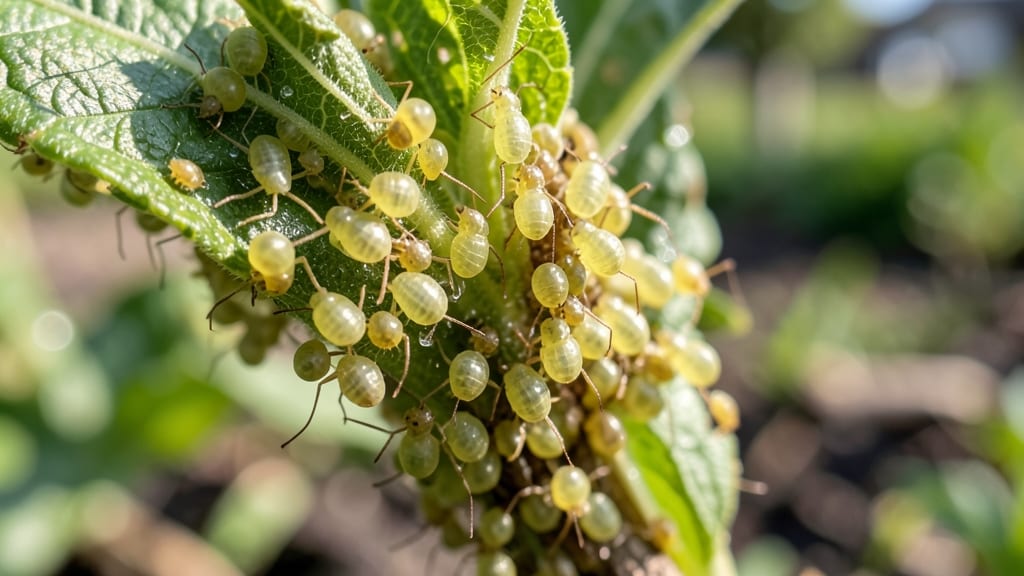
A tree infested with aphids turning your yard into a sticky, curled-leaf disaster? 🌳 I’ve saved my own trees from aphid apocalypse with a 10-minute natural spray that works faster than store-bought chemicals—and it’s safer for kids and pollinators too.
The problem starts small: tiny green or black bugs clustering on new growth, leaving behind a shiny honeydew that attracts ants and sooty mold.
Most people reach for harsh sprays first, but I’ve found the real fix is soapy water + neem oil—a combo that smothers aphids on contact while preventing regrowth. No fancy equipment needed, just a spray bottle and a few ingredients you might already have.
Within 24 hours, you’ll see aphids dropping like rain. The tree starts recovering almost immediately—new leaves unfurl straight, ants lose interest, and the sticky mess disappears. Best part? This spray works on roses, fruit trees, and even houseplants. No more helplessly watching your tree’s health spiral.
Works for any tree size, from backyard maples to potted citrus. Here’s the exact recipe and step-by-step spray method that’s saved my trees every spring. Let’s get your foliage back to vibrant green in no time.
Natural Triggers Behind Aphid Outbreaks
Aphids may seem like a minor nuisance, but their rapid multiplication on trees is rarely accidental. These tiny sap-sucking insects thrive due to a mix of environmental factors, tree health, and even human activity.
Understanding the root causes of an aphid infestation helps you address the problem effectively—whether through natural sprays or long-term prevention. Let’s break down why your tree becomes a buffet for these pests.
Aphids target trees that are already stressed, much like how a sick person attracts germs. When a tree’s immune system is compromised, it struggles to produce the sticky honeydew (a natural aphid repellent) or the defensive chemicals that deter pests.
- Nutrient Deficiencies: Aphids love trees lacking essential nutrients like nitrogen, phosphorus, or potassium. A simple soil test can reveal imbalances—often caused by poor soil quality or overwatering. Actionable fix: Apply a balanced organic fertilizer (like fish emulsion or compost tea) to restore vigor.
- Drought or Overwatering: Both extremes stress trees. Drought weakens roots, while soggy soil suffocates them. Aphids exploit this weakness, as stressed trees produce more sugary sap—a favorite aphid snack. Actionable fix: Water deeply but infrequently (1–2 inches per week) and improve drainage with mulch.
- Physical Damage: Wounds from pruning, storms, or pest bites (like spider mites) create entry points for aphids. These insects cluster near damaged areas to feed on exposed sap. Actionable fix: Seal pruning cuts with pruning sealant and remove heavily damaged branches.
Aphids aren’t picky—they’ll infest almost any tree, but they thrive in specific conditions that mimic a tropical paradise for them. If your tree is in the right (wrong?) place, aphids will move in en masse.
| Factor | Why It Attracts Aphids | How to Adjust |
|---|---|---|
| 🌡️ Warm Temperatures (60–80°F) | Ideal for rapid reproduction. Aphids can multiply 100x in a single season under perfect heat! | Use shade cloth or plant heat-tolerant species (e.g., oak, maple) if your climate is consistently warm. |
| 🌧️ High Humidity | Moisture helps aphids stay hydrated and spreads fungal diseases (like sooty mold) they love. | Improve air circulation with strategic pruning or a small fan near potted trees. |
| 🍃 Overcrowded Trees | Tight spaces trap heat and humidity, creating a breeding ground. Aphids also spread faster between branches. | Thin out branches to allow sunlight and airflow. Space trees 6–10 feet apart. |
Here’s a shocking twist: ants don’t just ignore aphids—they farm them. Ants protect aphids from predators (like ladybugs) in exchange for honeydew, creating a mutualistic relationship that explodes infestations. If you spot ants marching up your tree, they’re likely herding aphids.
- How It Works: Ants tap aphids with their antennae, stimulating them to excrete honeydew. Some species even carry aphid eggs to new trees like livestock! 🐜🐝
- Actionable Fix:
- 🔥 Disrupt the bond: Apply a sticky barrier (like petroleum jelly) to tree trunks to block ants.
- 🌡️ Heat treatment: Boil a pot of water and pour it near ant trails to kill workers.
- 🌿 Natural repellents: Sprinkle diatomaceous earth or cinnamon around the tree base.
Sometimes, we accidentally create the perfect aphid haven. Poor gardening practices or landscaping choices can turn your yard into an aphid magnet.
- 🍂 Over-Pruning or Wrong Timing: Pruning in late summer or fall stresses trees, making them vulnerable. Aphids also hitchhike on pruned branches if they’re disposed of near the tree. Fix: Prune in early spring and remove debris immediately.
- 🌱 Planting Aphid-Favorite Trees: Some trees are aphid magnets, like roses, fruit trees (apple, peach), and willows. If you’re growing these, expect frequent visits. Fix: Interplant with aphid-repelling species like garlic, marigolds, or lavender.
- 🚫 Ignoring Beneficial Insects: Aphids thrive when their natural predators (ladybugs, lacewings, parasitic wasps) are missing. Pesticides or overzealous gardening can wipe out these allies. Fix: Avoid broad-spectrum sprays and encourage predators with diverse plantings.
Now that you know why aphids choose your tree, the next step is acting fast with targeted, chemical-free solutions. The good news? Most infestations can be reversed in under 10 minutes with the right approach!
Quick Fixes for Sap-Sucking Scourges
When aphids turn your tree into a sticky, sluggish mess, acting fast is key—but you don’t need harsh chemicals to win the battle. Below are targeted, easy-to-follow solutions tailored to the root cause of your infestation, plus prevention tips to keep aphids from crashing your tree party again.
Let’s get that green back in leaf!
Cause: Heavy infestation visible on leaves/stems Fix: Knock them out before they multiply!
- 💦 Blast Them Off
- Grab a strong hose nozzle (or a garden sprayer) and blast aphids off with a sharp stream of water (20–30 psi). Focus on the undersides of leaves where they hide.
- Pro tip: Do this early in the morning—aphids are sluggish then, and you’ll wash away their honeydew too! 🌿
- 🍳 Soapy Suds Spray (Natural & Fast)
- Mix 1 tsp mild dish soap (like Dawn) + 1 quart water in a spray bottle.
- Spray directly on aphids (avoid oversaturating leaves). The soap suffocates them in minutes.
- Test first: Spray a small leaf area to ensure no damage.
- 🕷️ Introduce Predators (Eco-Friendly Cleanup Crew)
- Ladybugs, lacewings, or parasitic wasps love aphids. Buy them online or attract them with:
- Dill, fennel, or yarrow planted nearby (aphids’ natural enemies adore these).
- Aphid-infested leaves left in a mesh bag near your tree (lures predators to "hunt" there first).
- Ladybugs, lacewings, or parasitic wasps love aphids. Buy them online or attract them with:
Cause: Aphids leave sticky honeydew, attracting ants and sooty mold Fix: Break the aphid-ant alliance and clean up the mess!
- 🧼 Scrub Off Honeydew
- Wipe leaves with a damp cloth or hose them down. For large trees, use a soft brush to gently remove residue.
- Prevent sooty mold: Apply neem oil spray (1 tbsp neem oil + 1 tsp soap per quart water) to disrupt aphid feeding and stop honeydew production.
- 🚫 Block Ant Highways
- Ants farm aphids for honeydew. Cut off their supply by:
- Dusting ant trails with diatomaceous earth (food-grade) or borax spray (1 tbsp borax + 1 gallon water).
- Sealing entry points with caulk or petroleum jelly on tree trunks.
- Ants farm aphids for honeydew. Cut off their supply by:
Cause: Tree is already weakened (drought, poor soil, or disease) Fix: Strengthen the tree so it resists aphids naturally.
- 💧 Hydrate & Fertilize
- Water deeply 1–2 times per week (check soil moisture 2" below surface).
- Feed with compost or balanced fertilizer (high in phosphorus for roots). Avoid over-fertilizing—aphids love lush, soft new growth!
- 🌿 Prune for Airflow
- Trim crowded or dead branches to improve air circulation (aphids thrive in humid, shaded spots).
- When to prune: Late winter/early spring (avoid summer stress).
- 🛡️ Barrier Sprays (Preventative Shield)
- Neem oil (reapply every 7–10 days) or kaolin clay (like Surround WP) creates a physical barrier aphids hate.
- Best time to apply: At dusk to avoid harming bees.
- 🌱 Plant Smart
- Choose aphid-resistant varieties (e.g., pepper trees over willows, roses with mildew resistance).
- Interplant with aphid-repelling herbs: Basil, mint, or garlic nearby can deter them.
- 🕵️ Monitor Regularly
- Check new growth weekly (aphids love tender leaves!). Early detection = easier fixes.
- 🎯 Year-Round Care
- Fall cleanup: Remove fallen leaves/debris (aphids overwinter here!).
- Winter oil spray: Apply dormant oil in late winter to smother egg-laying aphids.
Remember: Most aphid problems are fixable in under 10 minutes with the right tools. Start with water + soap, then layer in predators and prevention. Your tree will bounce back—and stay aphid-free!
Frequently asked questions
How do I know if my tree really has aphids or just spider mites?
Aphids are tiny, soft-bodied insects (usually green, black, or yellow) that cluster on new growth and stems, while spider mites are even smaller and leave a fine webbing on leaves. Check the undersides of leaves—aphids leave sticky honeydew, while mites cause yellow stippling. If you see both, prioritize aphids first as they spread faster.
Will my tree die if I don’t treat aphids immediately?
Most healthy trees survive aphid infestations, but severe cases can weaken growth or attract sooty mold. Young or stressed trees are at higher risk. A quick soapy water spray or neem oil treatment stops the problem before it causes lasting damage. Monitor for 2 weeks—if leaves yellow or curl excessively, act fast.
Can I use vinegar to kill aphids on my tree?
Undiluted vinegar can harm trees, but a 1:1 vinegar-water mix (with 1 tsp dish soap) works as a contact killer. Spray only the aphids (not the entire leaf) and reapply every 3 days. Test on a small area first—some trees (like citrus) are sensitive to acidity. For large trees, this method is less effective than neem oil.
Why do aphids keep coming back after I treat them?
Recurring aphids often mean you’re missing their egg-laying sites or ants are protecting them. Check cracks in bark, leaf axils, and undersides for eggs. Block ants with petroleum jelly barriers and apply dormant oil in winter to smother overwintering eggs. If the problem persists, your tree may be stressed—fertilize and improve watering.