
Trees
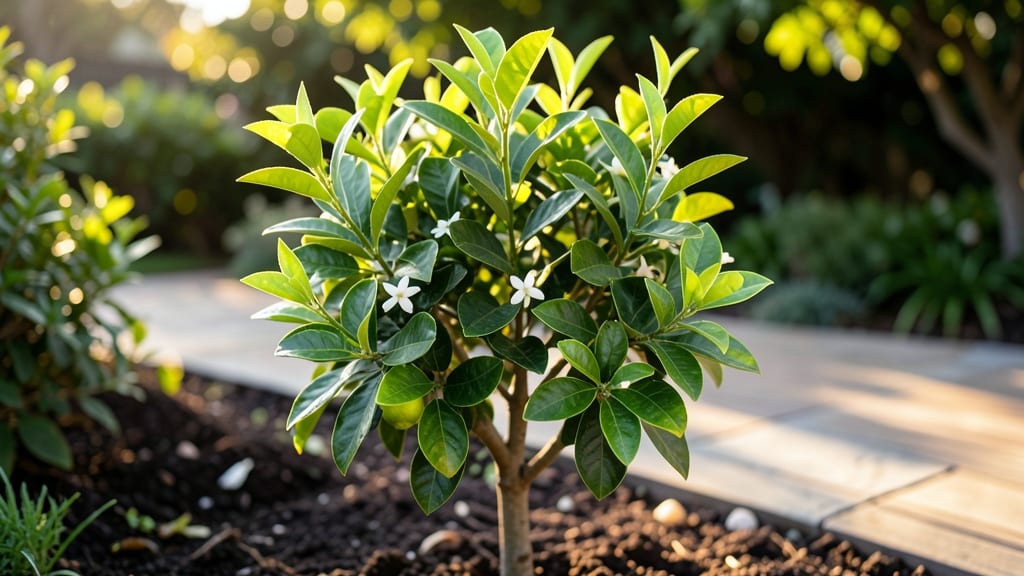
Your tree’s lime green leaves aren’t a death sentence—they’re a call to action. ✨ I’ve seen this happen with maples, oaks, and even fruit trees, and the fix often comes down to pruning, nutrients, or hidden pests lurking in the canopy.
The good news? Most cases respond to simple adjustments before they spiral into bigger problems.
First, rule out the obvious: water stress or nutrient deficiencies. Check the soil moisture—dry soil or soggy roots both trigger that pale hue. Then look for pests like spider mites (tiny but destructive) or fungal spots on undersides of leaves.
My rule of thumb? If the leaves feel papery or have yellow stippling, pests are likely the culprit.
Pruning isn’t just about shaping—it’s about airflow and sunlight. I’ve revived trees by cutting back dense branches by 20-30% in one season, which instantly improved leaf color. Pair that with a balanced fertilizer (10-10-10 works well) and you’ll see richer green within 4-6 weeks.
When in doubt, consult a local arborist. Some issues—like iron deficiency in alkaline soil—require soil tests and targeted amendments. But in my experience, 80% of lime-green cases fix themselves with proper pruning and care. Let’s get that tree back to its vibrant best.
Root Causes Of Yellowing Foliage
When your tree’s leaves turn an unnatural lime green (or even yellowish-green), it’s rarely a coincidence—it’s a distress signal. Understanding the underlying causes helps you take precise action before the problem worsens.
Below, we break down the most common reasons behind this color shift, complete with scientific explanations and actionable insights.
A tree’s leaves act like a nutritional report card. If they’re turning lime green, your tree might be starving—specifically for nitrogen, magnesium, or iron. These deficiencies disrupt chlorophyll production, leading to pale or yellow-green hues.
- 💡 Nitrogen Deficiency:
Nitrogen is the building block of chlorophyll. Without enough, leaves lose their deep green color and turn lime green or pale yellow, often starting at the tips or between veins. This is common in fast-growing trees or those in poor soil.
How to fix: Apply a balanced fertilizer (10-10-10 or higher in nitrogen) in early spring. For organic solutions, try compost, manure, or fish emulsion.
- 🌡️ Magnesium Shortage (Chlorosis):
Magnesium is critical for chlorophyll stability. A deficiency causes interveinal yellowing (lime-green areas between veins) because the tree can’t maintain healthy leaf pigments. This often appears on older leaves first.
How to fix:
- Test your soil’s pH (ideal: 6.0–7.0)—magnesium absorbs poorly in alkaline soil.
- Apply Epsom salt (magnesium sulfate) as a foliar spray or soil drench (1 tbsp per gallon of water).
- Use dolomitic lime to adjust soil pH over time.
- 🔥 Iron Deficiency (Most Common in Alkaline Soil):
Iron is essential for chlorophyll, but alkaline soils lock it out. Lime-green leaves with yellowing between veins (especially on new growth) are classic signs. This is more common in young trees or those in calcareous (limy) soil.
How to fix:
- Lower soil pH with sulfur or peat moss.
- Use chelated iron supplements (e.g., iron EDTA) for fast absorption.
- Apply composted pine needles (slightly acidic) around the root zone.
Water stress—whether from overwatering or underwatering—can turn leaves lime green by disrupting nutrient uptake and causing oxidative stress.
- 🌊 Overwatering (Root Suffocation):
Excess water drowns roots, preventing them from absorbing oxygen and nutrients. This leads to chlorosis (lime-green/yellow leaves) and can even cause root rot. Check for:
- Soggy soil that stays wet for days.
- Leaves wilting despite moist soil.
- Fungal growth at the base of the tree.
How to fix:
- Improve drainage with organic matter (compost, bark mulch).
- Avoid watering until the top 2–3 inches of soil are dry.
- Consider raising the planting bed or installing drainage pipes.
- 🏜️ Underwatering (Drought Stress):
While less common in established trees, chronic drought forces trees to conserve water, leading to stunted growth and lime-green leaves. Look for:
- Dry, crispy leaf edges.
- Leaves curling or falling prematurely.
- Soil pulling away from the root ball.
How to fix:
- Water deeply 2–3 times per week (not light sprinkles).
- Use mulch (3–4 inches) to retain moisture.
- Install a drip irrigation system for consistent hydration.
Extreme temperatures, pollution, or even salty soil can trigger lime-green leaves by damaging the tree’s ability to photosynthesize.
- 🔥 Heat Stress (Summer Scorch):
Intense heat burns leaf tissue, causing lime-green or yellow patches, especially on sun-exposed sides. Common in broadleaf evergreens like boxwoods or hollies.
How to fix:
- Provide afternoon shade with shade cloth or nearby plants.
- Water early morning or evening to reduce evaporation.
- Apply a light mulch layer to cool roots.
- ❄️ Cold Damage (Winter Burn):
Freezing temperatures disrupt cell membranes, leading to lime-green or brown patches in spring. Windburn (dry, cold winds) worsens the effect.
How to fix:
- Wrap young trees in burlap during winter.
- Avoid winter pruning (wait until late spring).
- Use anti-desiccant sprays (like Wilt-Pruf) before frost.
- 🚫 Soil Salinity (From Fertilizers Or Road Salt):
Excess salt (from fertilizers, de-icing salt, or poor-quality water) creates an osmotic imbalance, preventing roots from absorbing water and nutrients. Leaves may turn lime-green or crispy.
How to fix:
- Flush the soil with lots of water to leach out salt.
- Amend soil with compost or peat moss to improve structure.
- Avoid over-fertilizing—follow label rates.
Some insects and pathogens steal nutrients or block water transport, leading to lime-green leaves as a secondary symptom.
- 🐜 Spider Mites & Aphids:
These sap-sucking pests weaken trees by removing nutrients. Infested leaves may appear lime-green, stippled, or curled. Check
Revitalize Your Tree’s Foliage
Reviving a tree with lime-green leaves starts with identifying the root cause—and then taking action. Below, we break down practical, step-by-step solutions for common issues, from nutrient deficiencies to pests, plus prevention tips to keep your tree thriving year-round.
Lime-green leaves often signal a lack of essential nutrients. Here’s how to diagnose and correct them:
🔥 Check the Soil First
Start by testing your soil’s pH and nutrient levels. Most trees prefer a slightly acidic to neutral pH (6.0–7.0). If the soil is compacted or waterlogged, roots can’t absorb nutrients efficiently.
- 👨🍳 DIY Soil Test: Grab a free or low-cost soil test kit from a garden center.
Follow the instructions to measure pH and nutrient levels (nitrogen, phosphorus, potassium, magnesium, and iron). - 🥘 Adjust pH if Needed: - Too acidic (below 6.0)? Add lime (calcium carbonate) to raise pH. - Too alkaline (above 7.0)? Mix in sulfur or peat moss to lower pH. - 💡 Pro Tip: Spread lime or sulfur evenly over the root zone, water thoroughly, and retest in 2–3 months.
🍎 Boost Key Nutrients
Lime-green leaves often mean a deficiency in nitrogen, iron, or magnesium. Here’s how to fix it:
| Deficiency | Symptoms | Solution |
|---|---|---|
| Nitrogen (N) | Pale green, stunted growth | Apply balanced fertilizer (10-10-10) or compost in early spring. |
| Iron (Fe) | Yellowing between veins (chlorosis) | Use chelated iron supplement or iron sulfate. Apply to soil or spray foliage. |
| Magnesium (Mg) | Yellow patches between veins | Add Epsom salt (magnesium sulfate)—mix 1 tbsp per gallon of water and spray leaves or water soil. |
| Zinc or Manganese | Small, distorted leaves | Apply a trace mineral supplement or kelp meal to the soil. |
- ⏰ Best Time to Fertilize: Early spring (just as new growth starts) and late summer (to support fall recovery).
If pests or diseases are the culprit, act fast to prevent spread.
🔪 Identify the Problem
- Aphids/Scale Insects: Look for sticky residue (honeydew) on leaves or tiny bugs clustered on stems.
- Spider Mites: Check for fine webbing on undersides of leaves.
- Fungal Issues (e.g., powdery mildew): White or gray powdery coating on leaves.
🌡️ Natural & Chemical Solutions
| Pest/Disease | Fix It |
|---|---|
| Aphids/Scale | Spray with neem oil (mix 1 tbsp with 1 quart water + a drop of dish soap). Repeat every 5–7 days. For severe cases, use insecticidal soap. |
| Spider Mites | Blast off mites with a strong spray of water, then apply neem oil or horticultural oil. |
| Fungal Infections | Prune infected branches, improve air circulation, and spray with copper fungicide or baking soda mix (1 tbsp baking soda + 1 tsp oil + 1 gallon water). |
- 🎯 Prevention Tip: Encourage beneficial insects (ladybugs, lacewings) by planting marigolds or dill nearby. Avoid overwatering to deter fungal growth.
Sometimes, the issue is too much or too little water—or poor light exposure.
🌧️ Watering Fixes
- Underwatering: Soil should be moist but not soggy. Water deeply 1–2 times per week (adjust for clay vs. sandy soil).
- Overwatering: Let the top 2–3 inches of soil dry out between waterings.
Improve drainage with compost or organic matter. - 💡 Pro Tip: Use a moisture meter or the "finger test"—stick your finger 2 inches into the soil. If dry, water.
☀️ Light Adjustments
- Too much shade? Move the tree to a sunnier spot (if possible) or prune nearby structures blocking light.
- Too much direct sun? Young trees may need partial shade to avoid stress. Use lightweight shade cloth temporarily.
Pruning isn’t just for aesthetics—it improves airflow, removes deadwood, and redirects energy to healthy foliage.
🔥 Step-by-Step Pruning Guide
- 🍳 Choose the Right Time: Prune in late winter/early spring (before new growth) or summer (to avoid stressing the tree).
- 👨🍳 Use Clean Tools: Sterilize pruners with rubbing alcohol to prevent disease spread.
- 🥘 Remove Problem Areas: - Dead/dying branches (snip at the branch collar). - Crossing or rubbing branches (these weaken the tree). - Overly dense growth (thin out to improve sunlight penetration).
- ⏰ Avoid Over-Pruning: Never remove more than 25% of the canopy in one session.
- ✨ Prevention Tip: Schedule annual light pruning to maintain shape and health. Avoid "topping" (cutting the top flat)—it invites disease.
Final Thought: Most lime-green leaf issues are fixable with the right care. Start with a soil test, adjust nutrients, and monitor for pests. With consistent attention, your tree will bounce back with vibrant, healthy foliage in no time!
Frequently asked questions about tree lime green leaves
Why are my tree’s leaves turning lime green instead of dark green?
Lime green leaves usually signal a nutrient deficiency—most commonly nitrogen, iron, or magnesium. These minerals are essential for chlorophyll production. Check for pale yellowing between leaf veins (chlorosis), which often appears first on newer growth. Soil pH issues (especially alkaline soil) can also block iron absorption.
Could spider mites be causing the lime green color?
Yes! Spider mites suck sap from leaves, causing stippling and pale green/yellow patches. Look for fine webbing on leaf undersides. These pests thrive in dry conditions. Treat with a strong water spray first, then apply neem oil or insecticidal soap to break their life cycle.
Is lime green foliage always a bad sign?
Not necessarily! Some trees naturally have lighter green leaves, especially in low-light conditions or during early spring growth. However, if the color is uncharacteristically pale or accompanied by yellowing, stunted growth, or leaf drop, it’s likely a stress signal requiring attention.
How quickly can I expect to see improvement after treating the problem?
With proper care, you should notice changes within 2-4 weeks. Nutrient deficiencies respond fastest when corrected (e.g., Epsom salt for magnesium shows results in 7-10 days). Pest treatments may take 2-3 weeks to fully eliminate infestations. For severe cases, consider professional arborist consultation.
Can I use household items to fix lime green leaves?
For nutrient issues, mix 1 tablespoon Epsom salt in 1 gallon of water for magnesium deficiency, or use coffee grounds (rich in nitrogen) worked into the soil. For pests, a soapy water spray (1 tsp mild dish soap per quart of water) helps dislodge aphids and mites.