
Pruning
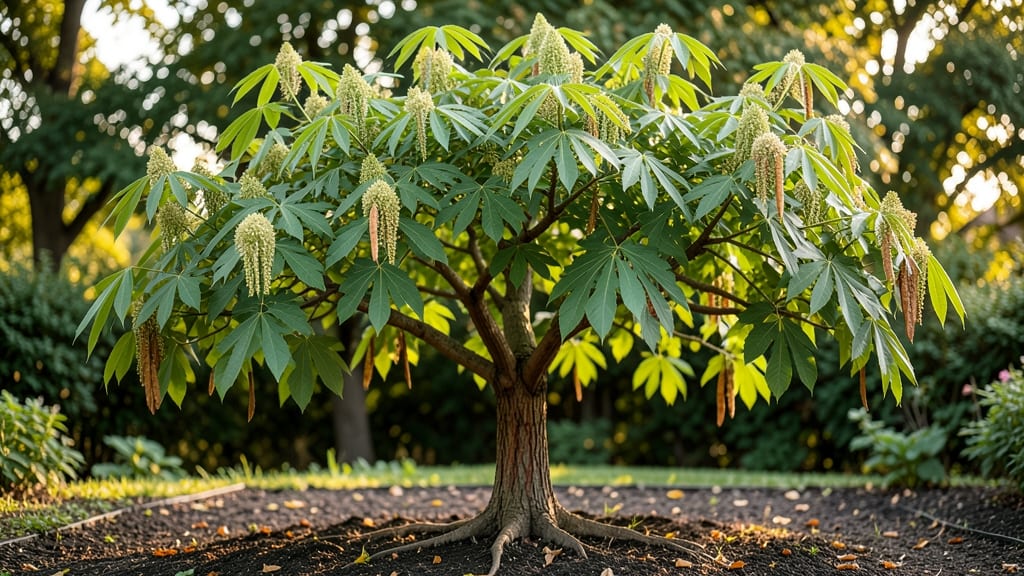
Those tree of heaven pods are nature’s way of saying "don’t plant me"—and they’re taking over yards faster than you can say "invasive species." 🌿 I’ve spent years wrestling with this plant’s relentless spread, and the key to stopping it starts with those nasty seed pods.
They’re the plant’s secret weapon, hitching rides on wind, water, and even your shoes to colonize new ground.
The problem isn’t just the pods themselves—they’re toxic to livestock and attract pests like stink bugs in swarms. But here’s the good news: removing them before they drop cuts the spread by 90%.
A simple 10-minute cleanup with gloves and a trash bag can save your garden from years of fighting this aggressive tree. The real battle is timing—act now, before the pods mature and release their seeds.
What you’ll end up with is a yard free of this ecological menace, plus space to plant something beautiful instead. Imagine replacing that smelly, stink-bug magnet with native trees or shrubs that support local wildlife.
The first step is easy: grab a bag, pick those pods, and toss them in the trash—no composting, no exceptions.
For stubborn roots or established trees, you’ll need a longer-term plan, but even a few minutes of pod removal makes a difference. Think of it as a small act of rebellion against an invasive takeover. Your garden—and the local ecosystem—will thank you.
Root Causes Behind Invasive Spread
If you’ve ever spotted clusters of tree of heaven pods (also called ailanthus) littering your yard or sidewalk, you’re not alone. This aggressive tree spreads rapidly, and its pods play a key role in its takeover.
Understanding why this happens starts with the tree’s biology—and a few sneaky survival tricks.
The tree of heaven’s pods are lightweight and papery, designed to hitch rides on the wind. A single tree can produce hundreds of thousands of seeds per year, and each pod contains multiple seeds.
When the pods split open, they release seeds that scatter easily, landing in cracks, soil, or even nearby properties. Birds, squirrels, and other wildlife also unintentionally spread the seeds by eating the pods and depositing them elsewhere.
Why it matters: Unlike many trees, the tree of heaven doesn’t rely on heavy, slow-spreading seeds—it floods the area with lightweight, fast-moving ones, ensuring maximum coverage.
Once a seed lands in fertile soil, it germinates quickly, often within weeks. The tree of heaven grows 3–5 feet per year, outcompeting native plants for sunlight, water, and nutrients.
Its deep, extensive root system also releases allelopathic chemicals that suppress other plant growth, making it nearly impossible for grass or flowers to thrive nearby.
Why it matters: This rapid growth and chemical warfare mean that by the time you notice the pods, the tree is already well-established—and removing it later can be far harder than preventing it early.
Many tree of heaven pods end up in new locations due to human actions. Construction sites, landscaping projects, or even discarded pods can introduce seeds to areas where they didn’t exist before.
Some homeowners or landscapers may unknowingly plant the tree because it’s fast-growing and pest-resistant, only to later regret its invasive nature.
Why it matters: Unlike native trees, the tree of heaven has no natural predators in many regions, meaning it thrives where others would fail. Once established, it’s nearly impossible to eradicate without persistent effort.
Now that you know why these pods spread so aggressively, the next step is learning how to remove them before they take over. The good news? Early action makes all the difference!
Quick Fixes for Invasive Pods
Dealing with tree of heaven pods can feel overwhelming, but with the right approach, you can tackle the problem efficiently. Below are practical, step-by-step solutions tailored to the root causes—whether it’s seed spread, root regrowth, or infestation control.
Each method is designed to be fast, effective, and easy to implement, even for beginners.
If pods are already scattered, prevent further contamination with these quick fixes:
🔥 Remove Pods Before They Burst
- When to act: Collect pods as soon as they turn brown (late summer to early fall).
- How to do it:
- Wear thick gloves (pods irritate skin) and a dust mask (they release allergens).
- Shake pods into a heavy-duty trash bag—don’t let them drop on soil or pavement.
- Dispose of them immediately in sealed trash (not compost or recycling).
- Pro tip: 💡 Use a leaf blower to gather pods from lawns before they split open.
🚫 Block New Growth with Mulch or Fabric
- Why it works: Tree of heaven roots spread aggressively.
A physical barrier stops sprouts. - How to do it: - Lay down cardboard or landscape fabric around the base of the tree. - Cover with 3–4 inches of mulch (avoid wood chips—this tree loves them). - Reapply annually in early spring to suffocate new shoots.
If the tree is already established, aggressive removal is key. Here’s how to eliminate it for good:
🔪 Cut & Treat: The Two-Step Hack
- Step 1: Trim the Tree (Safely!)
- Use pruning shears or a chainsaw to cut the trunk 6–12 inches above ground.
- Dispose of all wood—burning is best (check local burn rules).
- Step 2: Apply Herbicide to Stumps & Roots
- Best products: Glyphosate (Roundup) or triclopyr (Vigilant)—both kill deep roots.
- How to apply:
- Drill 1/4-inch holes in the stump and pour herbicide directly inside.
- Paint the cut surface with concentrated herbicide for extra coverage.
- Water the area to help absorption (but avoid over-saturating).
- ⏰ Timeframe: Roots may take 1–2 years to fully die—check monthly for regrowth.
🌡️ Smothering: The Low-Effort Method
- Best for: Small trees or when herbicides aren’t an option.
- How to do it:
- Cover the entire root zone with 6+ inches of thick plastic sheeting.
- Secure edges with soil or rocks to prevent wind damage.
- Leave for 2–3 years—roots will decompose without sunlight.
- Pro tip: 🔥 Add a tarp over the plastic in summer to trap heat and speed up decay.
Once you’ve removed the tree, keep it from coming back with these long-term strategies:
🌳 Monitor & Pull Sprouts Early
- When to check: Spring and fall (peak germination seasons).
- How to remove:
- Hand-pull small sprouts (wear gloves!).
- Use a hoe for deeper roots—dig at least 6 inches down.
- Bag and dispose of all plant material immediately.
🚜 Solarize Soil (For Large Areas)
- Best for: Gardens, driveways, or open land.
- How to do it:
- Water the soil deeply 1–2 days before treatment.
- Lay clear plastic sheeting tightly over the area (use bricks to weigh edges).
- Leave for 4–6 weeks in hot sun (temps should reach 120°F+).
- Kills seeds, roots, and weeds naturally.
🌿 Plant Competitive Ground Covers
- Why it works: Dense plants starve out tree of heaven by blocking sunlight.
- Best options:
- Clover (crowds out weeds)
- Creeping thyme (drought-resistant)
- Grass mixes (Kentucky bluegrass or fescue)
- Pro tip: ✨ Mow frequently to keep the area thick and competitive.
Tree of heaven pods contain toxic compounds that can cause skin irritation, respiratory issues, or even poisoning if ingested. Always follow these precautions:
- Wear protective gear: Long sleeves, gloves, and a mask (N95 or better).
- Avoid burning pods (releases harmful fumes)—opt for sealed trash disposal.
- Wash hands & tools thoroughly after contact with sap or pods.
- Keep pets/kids away from removal sites until cleanup is complete.
Final Thought: With consistent effort, you can eliminate tree of heaven pods in just a few seasons. Start with removal, then prevent regrowth—your yard (and sanity) will thank you! 🚀
Frequently asked questions
Are tree of heaven pods toxic to pets or children?
Yes, these pods contain toxic compounds that can cause skin irritation, respiratory issues, or even poisoning if ingested. Keep pets and children away from removal sites, and always wear gloves/masks when handling them. Never let them chew or play with the pods.
How can I tell if tree of heaven pods are about to release seeds?
Watch for pods that turn from green to brown and papery—this signals they're ready to split open. The best time to remove them is before they burst (late summer to early fall). Shake trees gently to check for loose seeds.
Will composting tree of heaven pods help spread the plant?
Absolutely—never compost these pods! They'll germinate in compost piles, releasing thousands of seeds. Always dispose of them in sealed trash bags. Even small pieces can sprout into new trees.
What's the fastest way to kill tree of heaven roots after cutting?
Use glyphosate or triclopyr herbicide applied directly to stumps and roots. Drill holes in the stump and pour herbicide inside, then paint the cut surface. Roots typically die within 1-2 years with consistent treatment.
Can I use tree of heaven wood for anything after removal?
While the wood itself isn't toxic, burning it releases harmful fumes. Avoid burning—opt for chipping (if your area allows) or proper disposal. The sap can also irritate skin, so wear gloves when handling even the wood.