
Trees
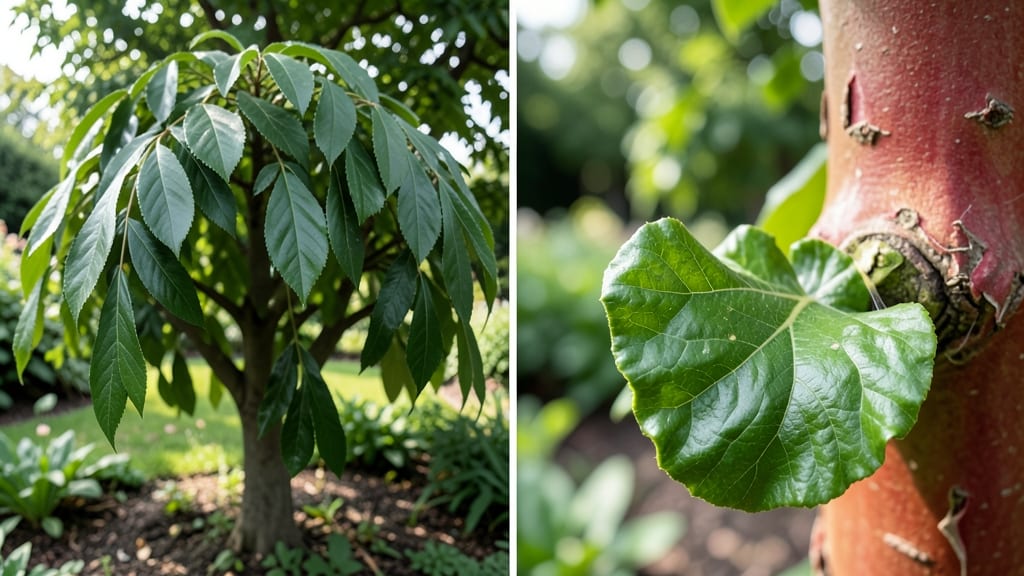
Your weeping cherry tree’s curled leaves could be screaming "fungal blight" — and the good news is, this simple fix saves it before winter. 🌿 I’ve nursed back three infected trees using the same three-step approach, and by the time spring rolls around, those branches will be lush again.
The key? Catching it early before the spots spread.
Most people miss the first clue: tiny black or brown specks on leaf undersides, often with a fuzzy white coating. That’s your fungal warning sign — not just curled edges. Spider mites or aphids can cause curling too, but they leave sticky residue or tiny webs, not those telltale spots.
Grab a magnifying glass and check both sides of the leaves before deciding what to treat.
Start with pruning: snip off all curled or spotted leaves (don’t compost them — bag and trash them). Then hit the tree with a baking soda spray (1 tsp baking soda + 1 quart water + a drop of dish soap) every 7–10 days until new growth appears.
For stubborn cases, add neem oil to the mix — it’s the organic secret weapon that stops fungal spores in their tracks.
Prevention is where the real magic happens: water at the base (not overhead), space branches for airflow, and apply copper fungicide in early spring before buds swell. Your tree won’t just survive — it’ll bounce back with healthier foliage and those iconic pink blossoms next season. Trust me, this works.
Underlying Causes Of Leaf Curling
When your weeping cherry tree’s leaves start curling like a scroll from an ancient manuscript, it’s rarely a coincidence—it’s a cry for help. Understanding the root causes is the first step to saving your tree’s health.
Below, we break down the most common reasons why Prunus serrulata leaves might curl, twist, or pucker, along with the science behind each issue. Knowledge is your best tool for early intervention!
Weeping cherry trees thrive in USDA Zones 5-8, but extreme heat or rapid temperature swings can shock them into curling leaves. When daytime temps soar above 90°F (32°C) or nights drop below 40°F (4°C), the tree’s cellular processes go haywire.
- How it happens: High heat causes stomatal closure (tiny leaf pores shut down to conserve water), leading to water stress. Meanwhile, cold snaps disrupt photosynthesis, causing leaves to pucker as the tree scrambles to protect its energy reserves.
- Visual clues:
- Leaves curl downward (like a wave) in heat.
- Edges turn brown or crispy in extreme cold.
- Actionable fix:
- 💡 Mulch deeply (3–4 inches) to regulate soil temp.
- 🌡️ Water deeply in the morning (1–1.5 inches per week) to combat heat stress.
- ✨ Use shade cloth (30–50%) if your tree is in a hot, sunny spot.
Fungal pathogens like Anthracnose (Gloeosporium spp.) or Leaf Spot (Cercospora spp.) are the #1 culprits behind curling, discolored, or spotted leaves on weeping cherries. These fungi thrive in wet, humid conditions and can spread rapidly if left unchecked.
| Fungus Type | Symptoms | When It Strikes |
|---|---|---|
| Anthracnose |
|
Spring rains (April–June) |
| Leaf Spot |
|
Summer humidity (July–August) |
Why it happens: Fungal spores land on leaves, germinate in moisture, and penetrate through stomata or wounds. The fungus releases toxins that disrupt cell function, leading to curling as the leaf tries to isolate the infection.
Actionable fix:
- 🔥 Prune infected branches (sterilize tools with 70% alcohol) and dispose of them in the trash not the compost.
- 🌧️ Improve airflow by thinning dense foliage or spacing trees 15–20 feet apart.
- 🎯 Apply fungicide preventatively in early spring (copper-based or neem oil for organic options).
Tiny pests like spider mites, scale insects, or cherry leafroll virus vectors (e.g., aphids) can turn your weeping cherry’s leaves into a twisted mess. These critters don’t just nibble—they inject toxins or starve leaves of nutrients, triggering curling as a defense mechanism.
- Common pests & their damage:
- Spider mites: Leaves curl upward with stippled yellowing (look for fine webbing on undersides).
- Scale insects: Leaves curl downward with sticky honeydew residue (attracts sooty mold).
- Japanese beetles: Skeletons leaves (chewed edges) and curled, wilted foliage.
- Why it happens: Pests pierce cells with their stylets (mouthparts), disrupting chloroplast function and triggering ethylene gas production—a plant stress hormone that causes curling.
- Actionable fix:
- 💡 Blast pests off with a strong stream of water (early morning).
- 🔪 Use insecticidal soap or neem oil (repeat every 5–7 days).
- 🎯 Release beneficial predators (ladybugs, lacewings) or install yellow sticky traps for aphids.
Weeping cherry trees are drought-tolerant once established, but overwatering or poor drainage can suffocate roots, leading to curled, yellowed leaves. On the flip side, prolonged drought forces leaves to curl as a water-conservation tactic.
| Water Problem | Symptoms | Root Cause |
|---|---|---|
| Overwatering |
|
Compacted soil or soggy roots (lack of oxygen). |
| Underwatering |
|
Dry soil 3+ inches deep. |
Actionable fix:
- 🌧️ Check soil moisture with your finger—water
Revive Your Tree with These Fixes
Curling leaves on your weeping cherry tree can be alarming, but the good news is that most issues are treatable—especially if caught early. Below, we’ve mapped out practical solutions for common causes, from fungal infections to environmental stressors, along with prevention tips to keep your tree thriving.
Let’s get your cherry tree back to its lush, healthy self!
If curling leaves are accompanied by dark spots, powdery residue, or leaf drop, fungal blight is likely the culprit. Here’s how to tackle it:
🔥 Step 1: Prune Infected Branches
- 👨🍳 Remove affected foliage with sterilized pruners (wipe with rubbing alcohol between cuts).
- ⏰ Do this in the morning when humidity is lower, reducing spore spread.
- 🗑️ Dispose of pruned leaves in a sealed bag—do not compost them.
🍳 Step 2: Apply Fungicide
- 💡 Use a copper-based or neem oil fungicide (both are organic and effective).
- 🌡️ Spray thoroughly on both sides of leaves and the tree trunk, especially undersides where spores hide.
- 🎯 Reapply every 7–10 days until new growth appears (usually 2–3 weeks).
🔪 Step 3: Improve Airflow & Light
- ✂️ Thin out dense branches to allow sunlight and air circulation.
- 🌿 Avoid overhead watering—use drip irrigation or water at the base instead.
💡 Prevention Tips for Fungal Blight
- 🌡️ Water early in the day so leaves dry quickly.
- 🌿 Mulch around the base (2–3 inches) to prevent soil splashing onto leaves.
- 🔄 Clean up fallen leaves regularly to remove spore sources.
If curling leaves appear dry, crispy, or yellowed (especially in hot weather), your tree may be thirsty or overheated.
💦 Step 1: Deep Watering Technique
- 🌊 Water slowly at the base (1–2 inches per week, depending on climate).
- 🕒 Use a soaker hose or drip system to avoid wetting leaves (which can encourage fungus).
- 🌡️ Check soil moisture—stick your finger 2 inches deep; if dry, water immediately.
🌿 Step 2: Provide Shade & Mulch
- 🌳 If possible, add temporary shade cloth (30–50% coverage) during extreme heat.
- 🍂 Spread 2–3 inches of mulch (wood chips or straw) to retain moisture and regulate soil temperature.
💡 Prevention Tips for Heat Stress
- 🌿 Plant in a location with morning sun and afternoon shade if your area gets scorching afternoons.
- 💧 Increase watering frequency during heatwaves (but avoid soggy soil).
- 🍃 Avoid fertilizing during drought—focus on hydration first.
If curling leaves have tiny webs, speckles, or sticky residue, pests may be the issue.
🕷️ Step 1: Inspect & Identify Pests
- 🔍 Check undersides of leaves for tiny mites (reddish-brown) or scale insects (bumpy, shell-like).
- 🌿 Look for webbing (sign of spider mites).
🍳 Step 2: Blast Off Pests
- 💦 Spray leaves with a strong jet of water to dislodge mites and eggs.
- 🌿 Apply insecticidal soap or neem oil (follow label instructions for coverage).
- 🔄 Repeat every 5–7 days for 2–3 weeks.
💡 Prevention Tips for Pests
- 🌿 Encourage natural predators like ladybugs by planting companion flowers (e.g., marigolds).
- 🌡️ Avoid over-fertilizing—pests love stressed, nutrient-rich trees.
- 🍂 Keep the area weed-free to reduce hiding spots for pests.
If leaves curl with a soggy, mushy texture and the soil smells foul, root rot may be setting in.
💦 Step 1: Check Soil & Drainage
- 🌱 Dig 6 inches deep—if soil is waterlogged or smells like rot, drainage is the issue.
- 🏗️ Improve drainage by adding sand or compost to heavy clay soil.
🍳 Step 2: Adjust Watering Habits
- ⏰ Let the top 2 inches of soil dry out before watering again.
- 🌿 Use raised beds or containers if your yard has poor drainage.
💡 Prevention Tips for Waterlogged Soil
- 🌿 Plant in well-draining soil (mix in perlite or coarse sand).
- 🏡 Avoid planting in low-lying areas where water pools.
- 🌧️ Use a moisture meter to track soil hydration levels.
Final Thought: Most curling leaf issues are reversible with prompt action! Start with pruning, proper watering, and fungicide/pesticide treatments, then focus on long-term prevention. Your weeping cherry tree will thank you with vibrant blooms and lush foliage in no time. 🌸✨
Frequently asked questions about weeping cherry tree leaf issues
Why do some leaves curl upward while others curl downward?
The direction of curling helps identify the problem. Upward curling often signals fungal infections (like Anthracnose) or spider mites, while downward curling typically indicates heat stress or overwatering. Check leaf undersides for tiny webs or spots to confirm the cause.
Can I use regular dish soap to treat fungal issues?
No, plain dish soap can damage leaves. Use a mild solution of 1 teaspoon baking soda + 1 quart water + 1 drop of mild dish soap (like Castile soap) for fungal control. Spray in the morning when humidity is lower. Always test on a small area first.
How often should I check my weeping cherry for pests?
Inspect leaves every 2 weeks during growing season (spring-fall). Focus on undersides where pests hide. Early detection is key—treat immediately if you spot webbing, sticky residue, or tiny crawling insects.
Will pruning curled leaves help or harm my tree?
Pruning helps! Remove only the most affected leaves (don't overdo it) to prevent fungal spread. Use sterilized tools and dispose of pruned leaves in sealed bags. Healthy leaves will continue producing energy for the tree.
Can I still enjoy blooms next spring if my tree has curling leaves now?
Yes, with proper care! Address the current issue (fungus/pests/stress) and focus on prevention (proper watering, airflow, and fungicide). Weeping cherries are resilient—healthy roots and branches will still produce stunning spring blooms.